Fundació Joan Miró, Barcelona
Arts Venue, Gallery and Museum in Barcelona
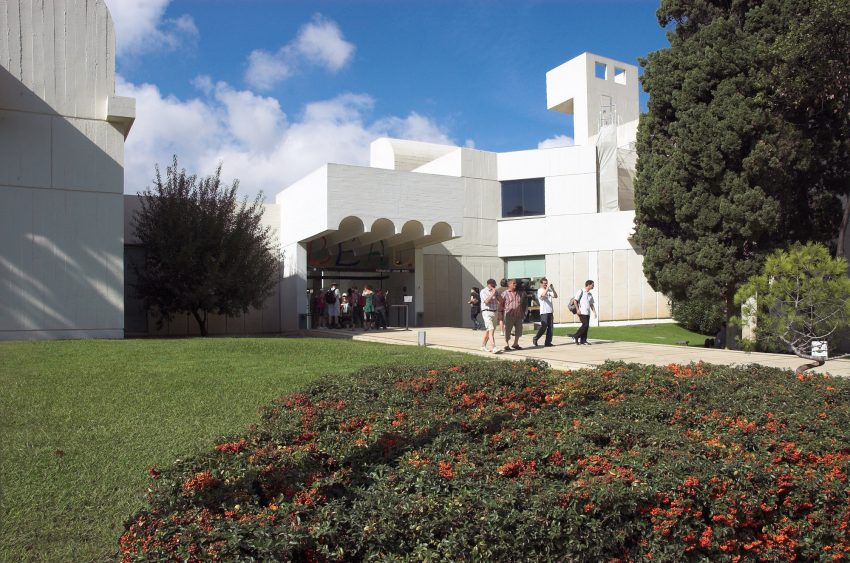
Perched on Montjuïc hill, the Fundació Joan Miró is one of Barcelona's most rewarding modern-art stops, pairing Joan Miró's playful, dreamlike universe with a bright, purpose-built building and sweeping city views. It's a calm cultural counterpoint to the bustle of the Gothic Quarter, and it fits beautifully into a day exploring Montjuïc's museums, gardens, and viewpoints.
Many visitors reach the museum as part of a Montjuïc walking tour (or a self-guided loop from Plaça d'Espanya via the gardens and viewpoints), and it's also a great “best of Barcelona art” pairing with the Picasso Museum and MNAC. If you're short on time, focus on the core Miró collection galleries and the terraces for the scenery.
Table of Contents
- History and Significance of the Fundació Joan Miró
- Things to See and Do in the Fundació Joan Miró
- How to Get to the Fundació Joan Miró
- Practical Tips on Visiting the Fundació Joan Miró
- Where to Stay Close to the Fundació Joan Miró
- Is the Fundació Joan Miró Worth Visiting?
- For Different Travelers
- FAQs for Visiting Fundació Joan Miró
- Nearby Attractions to the Fundació Joan Miró
History and Significance of the Fundació Joan Miró
The Fundació Joan Miró opened in 1975 as a space dedicated to Miró's work and to contemporary artistic creation, reflecting the artist's desire to keep art connected to the public. Its location on Montjuïc places it within Barcelona's long-standing cultural landscape, surrounded by major institutions, parks, and Olympic-era landmarks.
The building itself is part of the experience: designed to suit the art, it uses natural light, open courtyards, and clean lines to create a sense of ease as you move through galleries. That architectural clarity complements Miró’s bold colors and imaginative forms, making the visit feel both curated and breathable.
Beyond Miró, the foundation’s programming and contextual works help situate him within broader 20th-century art, so you’re not only seeing a “greatest hits” museum but also the creative ecosystem around him.
Things to See and Do in the Fundació Joan Miró
Start with the permanent collection to trace Miró’s evolution across painting, sculpture, and works on paper. Even if you’re not already a Miró fan, the variety of techniques and the museum’s pacing make it easy to find pieces that click, from energetic canvases to more minimal, poetic works.
Don’t miss the building’s terraces and open-air moments between galleries. The light-filled spaces, courtyards, and viewpoints are a big part of why people love this museum, and they’re ideal for a short reset between rooms.
Finally, check what temporary exhibitions or project spaces are on during your visit. These often broaden the experience beyond Miró alone, adding fresh context and giving repeat visitors a reason to return.
How to Get to the Fundació Joan Miró
Barcelona–El Prat Airport (BCN) is the nearest major airport for most travelers. For the best deals and a seamless booking experience, check out these flights to Barcelona on Booking.com.
If you're arriving by rail, Barcelona Sants is the main long-distance station, with frequent connections to the rest of Spain and beyond. Train schedules and bookings can be found on Omio.
By car, you can drive up to Montjuïc, but traffic and parking can be limited, so public transport or a taxi/rideshare is often simpler. If you are looking to rent a car in Spain I recommend having a look at Discover Cars, first, as they compare prices and review multiple car rental agencies for you.
From central Barcelona, many visitors combine metro plus a short walk: head toward Plaça d'Espanya and continue uphill through Montjuïc's paths, or use buses that climb the hill. The Montjuïc funicular (from Paral·lel) can also shorten the uphill portion, followed by a walk to the museum.
Practical Tips on Visiting the Fundació Joan Miró
- Official website: https://www.fmirobcn.org/en/
- Entrance fee: Adults: €18; Concessions: €12; Under 12: free.
- Opening hours: (Summer) April 1 – October 31; Tuesday – Saturday: 10:00–20:00; Sunday: 10:00–19:00. (Winter) November 1 – March 31; Tuesday – Sunday: 10:00–19:00. Closed on Monday.
- Best time to visit: Go early for quieter galleries and softer light, or later in the day to pair the visit with Montjuïc viewpoints. Weekdays tend to feel calmer than weekends.
- How long to spend: Plan 1.5–2.5 hours for the collection plus a temporary exhibition; add time if you like to linger on terraces and views.
- Accessibility: The museum is designed for comfortable circulation, but Montjuïc’s slopes can be tiring; consider a taxi or funicular-plus-walk approach if mobility is a concern.
- Facilities: Expect a shop and places to take a break, plus rest areas that make the visit feel unhurried.
Where to Stay Close to the Fundació Joan Miró
The best area to base yourself is around Plaça d’Espanya for quick Montjuïc access and easy transport links.
InterContinental Barcelona A polished, high-comfort option near Montjuïc sights, ideal if you want a quiet base with strong amenities after museum days.
Hotel Brummell A stylish boutique stay on the Poble-sec side of Montjuïc, great for travelers who want design, local cafés, and a more neighborhood feel.
Occidental Barcelona 1929 Chosen for its convenient Plaça d’Espanya location and easy connections across the city, making it practical for short stays.
Catalonia Barcelona Plaza A transport-friendly pick right on the square, useful if you’re balancing museums with day trips and want minimal commuting.
Hotel Granvia Included for a central, classic Barcelona base that still keeps Montjuïc within easy reach by metro or taxi.
Is the Fundació Joan Miró Worth Visiting?
Yes, especially if you want a museum experience that feels airy, well-designed, and distinctly Barcelona. The combination of Miró's imaginative work, the purpose-built architecture, and the Montjuïc setting makes it more than a quick gallery stop—it's a full, mood-setting cultural outing.
Honest Pivot: If Miró's style really isn't for you and you're prioritizing only one art museum, you might prefer the Picasso Museum or MNAC for a different emotional tone and historical framing. It's also less ideal if you dislike modern art and want strictly classical collections.
What Other Travellers Say...

Travelers rate the Fundació Joan Miró very highly, praising the vibrant, imaginative artworks and the inspiring atmosphere. Many highlight the light-filled, purpose-built building, the pleasant flow through the galleries, and the excellent views from Montjuïc. Visitors also appreciate that the museum offers context beyond Miró, with related artists and exhibitions that broaden the experience. A few note that if Miró's style doesn't resonate, the visit can feel less emotionally engaging than other Barcelona museums, and some recommend a guided tour to get more out of the collection.


For Different Travelers
The Fundació Joan Miró can be tailored to your pace: you can do a focused highlights visit or spend hours following Miró's development across mediums. Because it sits on Montjuïc, it also pairs easily with viewpoints, gardens, and nearby museums.
Families with Kids
Kids often respond well to Miró’s colors, shapes, and playful imagery, which can make this museum feel more approachable than more traditional collections. The open, light-filled layout also helps families move comfortably without feeling boxed in.
To keep it fun, pick a few rooms and turn it into a “spot the symbols” game rather than trying to see everything. Pair the visit with an outdoor break on Montjuïc to avoid museum fatigue.
Couples & Romantic Getaways
This is a strong date-friendly museum: it’s visually striking, not overly loud, and the setting encourages slow wandering. The terraces and views add a romantic, scenic layer that many indoor-only museums lack.
Make it part of a Montjuïc afternoon: museum first, then a walk to a viewpoint or a nearby garden. It’s an easy way to mix culture with a relaxed, memorable stroll.
Budget Travelers
While it’s a paid museum, it can still be a good value if you’re genuinely interested in modern art and want a high-quality, well-curated experience. The Montjuïc location also lets you stack multiple low-cost outdoor sights in the same area.
If you’re watching spending, plan your day so you’re not paying for lots of transport hops—walk segments of Montjuïc and use one main transit route in and out. Consider whether a multi-museum pass makes sense for your itinerary.
History Buffs
Even though it’s modern art, the museum offers a window into 20th-century cultural shifts and Barcelona’s role in shaping and hosting major artistic movements. The architecture and institutional story also reflect a specific moment in the city’s cultural development.
To deepen the historical angle, connect the visit with nearby Montjuïc sites tied to Barcelona’s exhibitions, Olympic legacy, and civic transformation. You’ll come away with more than just an art-memory.
FAQs for Visiting Fundació Joan Miró
Getting There
Tickets & Entry
Visiting Experience
Tours, Context & Itineraries
Photography
Accessibility & Facilities
Food & Breaks Nearby
Safety & Timing
Nearby Attractions to the Fundació Joan Miró
- Museu Nacional d'Art de Catalunya (MNAC): A major museum with Catalan art collections and one of the best viewpoints over Plaça d'Espanya.
- Montjuïc Castle: A hilltop fortress with panoramic views and a deeper look at the city's strategic history.
- Poble Espanyol: An open-air architectural museum showcasing Spanish regional styles, crafts, and occasional events.
- Magic Fountain of Montjuïc: A popular evening stop for light-and-water shows (seasonal schedules apply).
- Jardins de Joan Brossa: Relaxed Montjuïc gardens that are perfect for a scenic walk between cultural stops.
The Fundació Joan Miró appears in our Complete Guide to Visiting Barcelona!

Moira & Andy
Hey! We're Moira & Andy. From hiking the Camino to trips around Europe in Bert our campervan — we've been traveling together since retirement in 2020!
This website uses affiliate links which may earn a commission at no additional cost to you!
Planning Your Visit
(Summer) April 1 - October 31; Tuesday - Saturday: 10:00-20:00; Sunday: 10:00-19:00.
(Winter) November 1 - March 31; Tuesday - Sunday: 10:00-19:00.
Closed on Monday.
Adults: €18; Concessions: €12; Under 12: free.
Nearby Attractions
- Teatre Grec (0.2) km
Theatre - Catalan Museum of Archaeology (0.3) km
Museum - Museu Olímpic i de l'Esport Joan Antoni Samaranch (0.3) km
Museum - Museu Etnològic de Barcelona (0.4) km
Attraction and Museum - Consorci Mercat de les Flors - Centre de les Arts en Moviment (0.4) km
Arts Venue and Theatre - Lluís Companys Olympic Stadium (0.4) km
Attraction, Historic Site and Notable Building - Palauet Albéniz (0.5) km
Palace - Museu Nacional d'Art de Catalunya (0.6) km
Historic Building, Museum and Viewing Point - Barcelona Botanical Garden (0.7) km
Attraction, Gardens and Park - Montjuïc Castle (0.8) km
Castle, Historic Site and Viewing Point