Fontana dei Malavoglia, Catania
Fountain, Monument and Sculpture in Catania
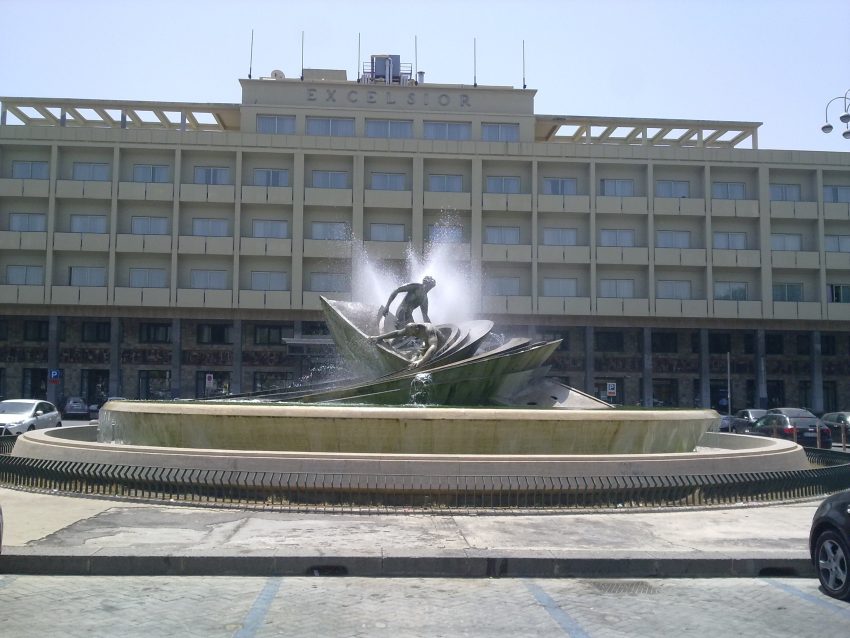
Fontana dei Malavoglia is a monumental fountain in Piazza Giovanni Verga, a busy square in modern Catania that sits between the historic center and the city's newer commercial streets. The centerpiece is a dramatic sculptural group that turns a literary scene into stone and water, making it more than just a pretty fountain.
It works best as a short stop on a walking tour linking Via Etnea, the Teatro Massimo Bellini area, and the seafront, rather than as a standalone destination. For the best views, circle the fountain to catch different angles of the figures and (when running) the water jets, then continue on toward central Catania's Baroque landmarks.
Table of Contents
- History and Significance of the Fontana dei Malavoglia
- Things to See and Do in the Fontana dei Malavoglia
- How to Get to the Fontana dei Malavoglia
- Practical Tips on Visiting the Fontana dei Malavoglia
- Where to Stay Close to the Fontana dei Malavoglia
- Is the Fontana dei Malavoglia Worth Visiting?
- For Different Travelers
- FAQs for Visiting Fontana dei Malavoglia
- Nearby Attractions to the Fontana dei Malavoglia
History and Significance of the Fontana dei Malavoglia
The fountain is closely tied to Giovanni Verga, the Sicilian writer whose novel I Malavoglia helped define Italian verismo. Rather than building a simple commemorative statue, the city ultimately embraced a more expressive monument that interprets a key dramatic episode from the story.
The project began with a municipal competition in the mid-20th century and took many years to complete, with the fountain inaugurated in 1975. Its sculptural narrative and theatrical composition are what make it significant: it’s a piece of public art that translates literature into a physical, city-scale scene.
In recent years, the fountain has also become part of local conversations about upkeep and public space. Even so, it remains a recognizable landmark in Catania and a meaningful reference point for travelers interested in the city's cultural identity beyond the postcard highlights.
Things to See and Do in the Fontana dei Malavoglia
Start by focusing on the sculptural group itself: the figures are arranged to convey motion and struggle, and the composition is designed to be read from multiple sides. If the water is running, the jets add a stage-like effect that reinforces the drama of the scene.
Because the square is traffic-heavy, the experience is more “urban landmark” than “quiet piazza.” Treat it like a quick photo-and-context stop: take a few minutes to walk the perimeter, look for the most balanced angle with the surrounding buildings, and then continue your route.
If you're in Catania on a Sunday, this area can feel livelier thanks to nearby market activity and the general weekend buzz. Pair the stop with a longer stroll along Via Etnea or a loop that ends at Piazza del Duomo for a classic Catania walking itinerary.
How to Get to the Fontana dei Malavoglia
The nearest airport is Catania–Fontanarossa Airport (CTA), which is the main gateway for flights into eastern Sicily. For the best deals and a seamless booking experience, check out these flights to Catania on Booking.com.
Catania Centrale is the city's main train station, with regional and longer-distance connections; from there you can continue by taxi, city bus, or a short onward ride to reach Piazza Giovanni Verga. Use Omnio to easily compare schedules, book train tickets, and find the best prices all in one place for a hassle-free journey across Italy.
If you’re traveling by car, aim for a paid garage rather than trying to stop directly at the square, which is busy and not visitor-friendly for quick parking. If you are looking to rent a car in Italy I recommend having a look at Discover Cars, first, as they compare prices and review multiple car rental agencies for you.
Practical Tips on Visiting the Fontana dei Malavoglia
- Entrance fee: Free.
- Opening hours: 24 Hours.
- Best time to visit: Go in the morning for clearer photos and slightly lighter traffic, or at dusk if you want a more atmospheric city feel.
- How long to spend: Plan 10–20 minutes for a look around and photos, longer only if you're using it as a waypoint on a walking tour.
- Accessibility: The fountain is viewed from street-level sidewalks around the square; expect curb cuts in places but also uneven paving and heavy traffic.
- Facilities: There are no dedicated visitor facilities at the fountain; rely on nearby cafés, shops, and hotel lobbies in the surrounding streets.
Where to Stay Close to the Fontana dei Malavoglia
Base yourself in central Catania if you want the easiest walking access to major sights, restaurants, and transit.
UNA Hotel Palace A strong pick for comfort and location on Via Etnea, making it easy to walk to the fountain and continue into the historic center.
Liberty Hotel A smaller, characterful option with a classic feel, ideal if you want a quieter stay while still being close to central sights.
NH Catania Centro Convenient for business-center Catania and straightforward logistics, with an easy walk or quick ride to Piazza Giovanni Verga.
Palace Catania | UNA Esperienze A polished base for travelers who want a more upscale experience and a prime position for walking routes that include the fountain.
Duomo Suites & Spa Best if you want to lean into the historic core near Piazza del Duomo, pairing the fountain as a short detour with Catania's headline Baroque sights.
Is the Fontana dei Malavoglia Worth Visiting?
Yes, but as a short, purposeful stop. The sculpture is genuinely striking and culturally specific to Catania, and it fits neatly into a walking route that connects the city's main corridors.
Honest Pivot: if you’re short on time or hoping for a scenic, pedestrian-friendly piazza experience, you can skip making a special trip. The square is traffic-dominated, and the surroundings can feel scruffy, so it’s best appreciated when you’re already nearby.
What Other Travellers Say...

Reviews suggest the fountain’s sculptural centerpiece is widely considered beautiful and distinctive, with several visitors appreciating its literary inspiration and its role as a recognizable city landmark. At the same time, many comments focus on the setting: heavy traffic, cars parked around it, and occasional litter or unpleasant odors can make the stop feel less enjoyable. Overall, it’s best approached as a quick look on a walk rather than a destination you cross town for.


For Different Travelers
Fontana dei Malavoglia is a flexible stop: it can be a quick photo point, a literature-themed landmark, or simply a waypoint on a longer city walk. Your enjoyment depends mostly on expectations and timing.
Families with Kids
Kids may enjoy the dramatic, action-filled sculpture, especially if you frame it as a story scene rather than “just a fountain.” Keep the visit short and hands-on: circle it once, pick a favorite figure, and move on.
Because the square is busy with cars, it’s not a place to linger or let children roam. Treat it as a supervised stop before heading to more pedestrian-friendly areas like the historic center.
Couples & Romantic Getaways
For couples, it’s best as a quick, artsy pause on a stroll rather than a romantic destination in itself. The sculpture can be surprisingly cinematic, especially in softer light.
Pair it with a café stop nearby and then continue toward Catania’s Baroque streets for a more atmospheric, walkable experience.
Budget Travelers
It’s an easy free stop that adds variety to a self-guided walking day. You can fold it into a route that hits multiple landmarks without paying for tickets.
If you’re optimizing time, visit only if it’s on your path between neighborhoods. The value is highest when you treat it as a quick landmark rather than a must-see.
FAQs for Visiting Fontana dei Malavoglia
Getting There
Tickets & Entry
Visiting Experience
Tours, Context & Itineraries
Photography
Accessibility & Facilities
Food & Breaks Nearby
Safety & Timing
Nearby Attractions to the Fontana dei Malavoglia
- Via Etnea: Catania's main thoroughfare for strolling, shopping, and linking many of the city's key sights.
- Giardino Bellini (Villa Bellini): A central park with shaded paths and viewpoints, ideal for a break from the streets.
- Teatro Massimo Bellini: The city's landmark opera house, worth seeing for its architecture and evening performances.
- Piazza del Duomo: Catania's iconic central square with Baroque façades and the city's signature elephant symbol.
- La Pescheria (Catania Fish Market): A lively, sensory market experience near the center, best visited in the morning.
The Fontana dei Malavoglia appears in our Complete Guide to Visiting Catania!

Moira & Andy
Hey! We're Moira & Andy. From hiking the Camino to trips around Europe in Bert our campervan — we've been traveling together since retirement in 2020!
This website uses affiliate links which may earn a commission at no additional cost to you!
Planning Your Visit
24 Hours.
Free.
Nearby Attractions
- Basilica Satuario del Carmine (0.6) km
Basilica, Church and Religious Building - Villa Bellini (0.8) km
Attraction, Gardens and Park - Vico Orto Botanico (0.9) km
Attraction, Gardens and Street - Museo Storico dello Sbarco in Sicilia 1943 (0.9) km
Museum - Statue of Vincenzo Bellini (0.9) km
Memorial, Sculpture and Statue - Piazza Roma (0.9) km
Square - Catania’s City Hall (1.0) km
Historic Building and Town Hall - Fontana del Ratto di Proserpina (1.0) km
Attraction, Fountain and Sculpture - Roman Amphitheater of Catania (1.0) km
Amphitheatre, Roman Site and Ruins - Chiesa di San Biagio in Sant'Agata alla Fornace (1.0) km
Church, Historic Building and Religious Building