Estense Ducal Garden, Modena
Gardens in Modena
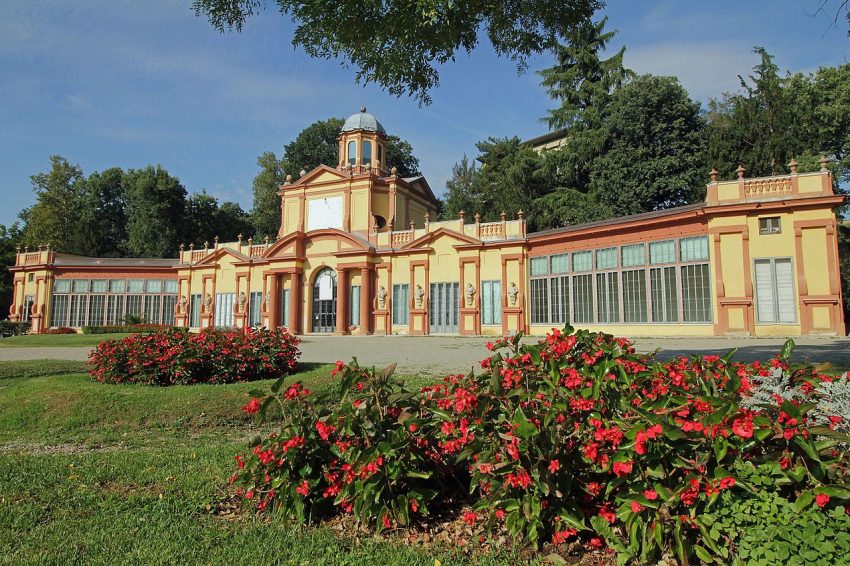
The Estense Ducal Garden is one of the things to do in Modena when you need a breather from churches, palaces, and museums but still want to stay wrapped in history. Created in 1598, when Duke Cesare d'Este decided to fence off a stretch of wild land north of the Este castle, the garden was designed in line with fashionable Renaissance layouts of the time. Over the centuries it has evolved into a lush public park where locals stroll, jog, read, and meet friends, with the palace façades and the Vigarani building forming a stately backdrop.
By 1634, the Vigarani building was completed at the garden's edge, a refined structure that still captures the spirit of 17th-century architecture. After almost a century of neglect, the garden was revived under Francesco III, who introduced a botanical garden and reordered the internal layout. In the mid-19th century, major changes gave the Estense Ducal Garden its dual personality: part formal, with carefully drawn flowerbeds that echo the surrounding ducal architecture, and part dense woodland, where winding paths and tall trees create pockets of shade and quiet. Often visited on walking tours of Modena, it offers a gentle, green counterpoint to the city's Baroque and Romanesque stone.
Table of Contents
- History and Significance of the Estense Ducal Garden
- Things to See and Do in the Estense Ducal Garden
- How to Get to the Estense Ducal Garden
- Practical Tips on Visiting the Estense Ducal Garden
- Where to Stay close to the Estense Ducal Garden
- Is the Estense Ducal Garden Worth Visiting?
- FAQs for Visiting the Estense Ducal Garden
- Nearby Attractions to the Estense Ducal Garden
History and Significance of the Estense Ducal Garden
The roots of the Estense Ducal Garden stretch back to a pivotal moment in Modena's history. In 1598, when Ferrara passed to the Papal States and Modena became the capital of the Este duchy, Duke Cesare d'Este needed to reshape his new seat of power. One of his decisions was to enclose a wide, untamed tract of land just north of the castle and transform it into a garden that reflected contemporary Renaissance ideals-symmetry, order, and a carefully choreographed relationship between architecture and nature.
In 1634, the project gained a new focal point with the completion of the Vigarani building. This elegant pavilion, with its clear 17th-century lines, quickly became the visual anchor of the garden and remains so today. Over time, however, fashion changed and priorities shifted, and the garden fell into near abandonment for almost a century. It was only under Duke Francesco III that renewed attention returned to the space. A botanical garden was planted, and the internal framework of paths, beds, and plantings was reworked, turning the grounds into both a place of leisure and a living laboratory of species.
The 19th century brought another transformation, reshaping the garden into the hybrid layout you see now. One section preserves the more formal character, with geometrically designed flowerbeds and open lawns that align with the surrounding ducal buildings, while the rest is left as denser woodland, a place where tall trees and undergrowth create a more natural, almost romantic atmosphere. Today, the Estense Ducal Garden stands as a living record of Modena's changing tastes-from Renaissance order to Baroque elegance to 19th-century landscape sensibilities-while continuing to serve as the city's green lung.
Things to See and Do in the Estense Ducal Garden
A visit to the Estense Ducal Garden is as much about atmosphere as it is about specific sights. Start by entering from the side closest to the Palazzo Ducale and let your eye be drawn to the Vigarani building. From many angles within the park, this 17th-century structure lines up beautifully with paths and clearings, acting as a focal point and constant reminder of the garden's ducal origins. The contrast between its ordered façade and the greenery around it sets the tone for the blend of culture and nature that defines the park.
As you wander deeper, you’ll notice the dual character of the design. In one area, carefully planned flowerbeds and open lawns create a formal setting that feels very much part of the city, mirroring the dignified lines of nearby palaces. In another, the path slips into thicker woodland, where mature trees and undergrowth provide shade, birdsong, and a sense of escape from urban life. This variety makes the garden versatile: it can be a place for an easy lunchtime stroll, a quiet bench with a book, or a leafy playground for children exploring the paths.
Tree lovers will appreciate the diversity and stature of the park's species, which add height, colour, and seasonal interest. From many spots you can frame views that take in the Vigarani building, stretches of lawn, and canopies of foliage, making it a rewarding place for photography as well as relaxation. Whether you're taking a break from sightseeing or looking for a local slice of everyday Modenese life, the Estense Ducal Garden is one of the must-see places in Modena for a different perspective on the city.
How to Get to the Estense Ducal Garden
The Estense Ducal Garden lies just north of the historic centre of Modena, close to the Palazzo Ducale and within walking distance of major sights such as Piazza Grande and the cathedral. Most visitors from abroad arrive via Bologna Guglielmo Marconi Airport, then travel on to Modena by train, bus, or car, as the city sits about 40 kilometres away. For the best deals and a seamless booking experience, check out these flights to Modena on Booking.com.
From Modena's railway station, the garden is reachable on foot in roughly 15-20 minutes, following routes that lead towards the Palazzo Ducale and the northern side of the centre.Use Omnio to easily compare schedules, book train tickets, and find the best prices all in one place for a hassle-free journey across Italy. Local buses and taxis can also shorten the journey if you prefer not to walk, and many self-guided city routes naturally pass near the park.
If you’re travelling by car, remember that parts of the historic centre are limited traffic zones and street parking is restricted.If you are looking to rent a car in Italy I recommend having a look at Discover Cars, first, as they compare prices and review multiple car rental agencies for you. It’s usually easiest to leave your car in a public car park or garage outside the core and walk to the garden from there, enjoying the transition from busy streets to quiet green space as you go.
Practical Tips on Visiting the Estense Ducal Garden
- Suggested tips: Combine a visit to the Estense Ducal Garden with a stop at Palazzo Ducale and a wander through the historic centre for a balanced day of architecture and greenery.
- Best time to visit: Mornings and late afternoons are especially pleasant, with softer light and cooler temperatures; spring and early autumn highlight the garden’s colours.
- Entrance fee: Free Entry
- Opening hours: Winter hours (from the end of October to mid-April) 7.00-20.30. Summer opening hours 6.30-23.30
- Official website: https://www.modenaparchi.com/parco-ducale-estense/
- How long to spend: Allow 45-90 minutes for a relaxed walk through both the formal and woodland areas, longer if you plan to sit, read, or picnic.
- Accessibility: Paths are generally level and suitable for most visitors, though some areas in the woodland section may be more uneven; paved routes provide easier access.
- Facilities: Benches and walking paths are available throughout; for restrooms, cafés, and shops, head towards the nearby streets around the palace and historic centre.
- Photography tip: Use the Vigarani building as a compositional anchor and play with framing it through tree branches or across flowerbeds for classic park views.
- Guided tours: While the garden is usually explored independently, some city walking tours include it as a stop to discuss Modena’s ducal history and landscape design.
- Nearby food options: The area between the garden and Piazza Grande offers plenty of cafés, gelaterie, and trattorias for a coffee break, light lunch, or aperitivo after your stroll.
Where to Stay close to the Estense Ducal Garden
Staying near the Estense Ducal Garden lets you enjoy both green views and easy access to Modena's main sights. For a cosy, central base within walking distance of the park, Palazzo Ducale, and Piazza Grande, Hotel Cervetta 5 offers a stylish, intimate atmosphere. If you’d like a slightly more upscale option that also makes arrivals and day trips convenient, Best Western Premier Milano Palace Hotel sits between the station and the historic centre. Another appealing choice is PHI Hotel Canalgrande, housed in a historic palazzo that mirrors the elegance of Modena’s architecture while keeping you within easy reach of the garden and city landmarks.
Is the Estense Ducal Garden Worth Visiting?
The Estense Ducal Garden is definitely worth visiting, especially if you're spending more than a few hours in Modena. It offers a calm, leafy contrast to the city's stone façades and museum halls, while still keeping you connected to the Este legacy through its layout, history, and the ever-present Vigarani building. Whether you come for a quick break between sights or linger with a picnic beneath the trees, the garden adds depth to your understanding of Modena as a lived-in city, not just a collection of monuments. For many visitors, it becomes one of the great places to visit on a walking tour of Modena because it shows how nature and nobility have long coexisted here.
What Other Travellers Say...

Parco Giardino Ducale Estense on Corso Canalgrande is a tranquil, well-kept city oasis where visitors can stroll among lawns, fountains, statues and flowerbeds, relax by a pond that houses koi, turtles and fish, and enjoy family-friendly amenities including a shaded playground, a merry-go-round and outdoor bar with a small live-music area that helps the place feel like a community hub in the evenings.


FAQs for Visiting the Estense Ducal Garden
Nearby Attractions to the Estense Ducal Garden
- Palazzo dei Musei: A cultural complex housing important art and archaeological collections, ideal for a deeper dive into Modena's history.
- Palazzo Ducale di Modena: The grand Baroque palace that once housed the Este dukes and now hosts the Military Academy, just a short walk away.
- Modena Cathedral (Duomo di Modena): A Romanesque masterpiece with exquisite stone carvings and a serene crypt, located in the historic centre.
- Ghirlandina Tower: Modena's iconic bell tower beside the cathedral, offering panoramic views of the city when open for climbs.
- Piazza Grande: The UNESCO-listed main square, framed by the cathedral, Ghirlandina, and historic civic buildings.
The Estense Ducal Garden appears in our Complete Guide to Visiting Modena!

Moira & Andy
Hey! We're Moira & Andy. From hiking the Camino to trips around Europe in Bert our campervan — we've been traveling together since retirement in 2020!
This website uses affiliate links which may earn a commission at no additional cost to you!
Planning Your Visit
Winter hours (from the end of October to mid-April) 7.00-20.30. Summer opening hours 6.30-23.30
Free Entry
Nearby Attractions
- Museo Enzo Ferrari (0.3) km
Museum - Palazzo Ducale (0.4) km
Palace - Torre della Ghirlandina (0.7) km
Tower - Modena Cathedral (0.7) km
Cathedral - Piazza Grande (0.7) km
Square - Palazzo dei Musei (1.0) km
Museum - Chiesa di San Francesco (1.1) km
Church - Villa San Donnino (8.5) km
Museum - Bologna Guglielmo Marconi Airport (30.8) km
Airport - Sanctuary of San Luca (34.6) km
Church