Estacion de Atocha, Madrid
Notable Building, Railway and Train Station in Madrid
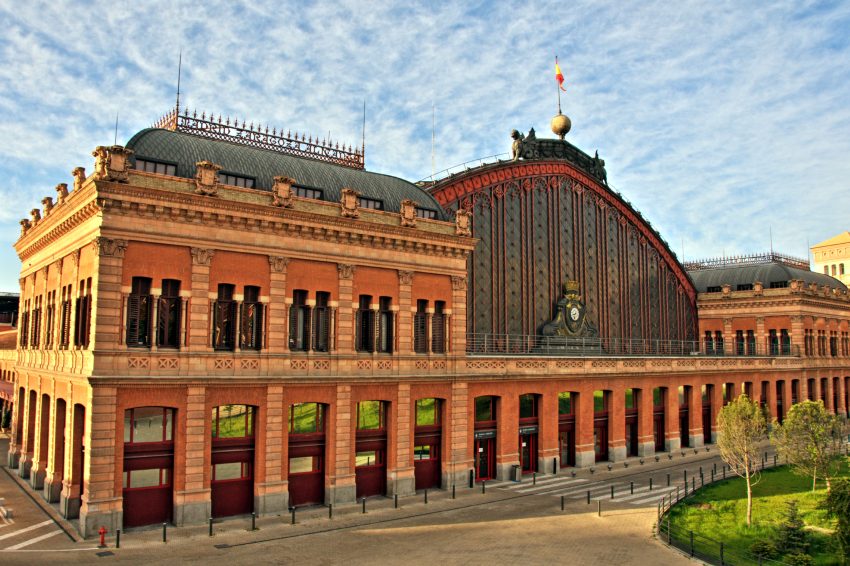
Estacion de Atocha (Madrid Puerta de Atocha – Almudena Grandes) is Madrid's main long-distance rail gateway and one of those rare stations that feels like a place to visit, not just pass through. Set beside Plaza del Emperador Carlos V at the edge of the city center, it links high-speed routes across Spain with Cercanías commuter lines, Metro connections, and a busy arrivals zone.
Even if you're not catching a train, it's worth popping in on a walking tour of the Paseo del Prado area or as a quick stop between museums. The best “wow” moment is inside the historic hall, where the station's indoor tropical garden turns waiting time into a mini greenhouse break.
Table of Contents
- History and Significance of the Estacion de Atocha
- Things to See and Do in the Estacion de Atocha
- How to Get to the Estacion de Atocha
- Practical Tips on Visiting the Estacion de Atocha
- Where to Stay Close to the Estacion de Atocha
- Is the Estacion de Atocha Worth Visiting?
- For Different Travelers
- FAQs for Visiting Estacion de Atocha
- Nearby Attractions to the Estacion de Atocha
History and Significance of the Estacion de Atocha
Atocha's story mirrors modern Madrid: a historic rail terminal that had to evolve fast once Spain's high-speed era arrived. The original 19th-century station building remains the visual heart of the complex, recognizable for its grand iron-and-glass style and the sense of scale you feel the moment you step into the older hall.
A major transformation came with the arrival of high-speed rail in the early 1990s, when the station was reworked to handle far more passengers and new services. Rather than replacing the historic structure, the redesign kept it as a central distributor space and added new halls and platforms to manage the flow of departures, arrivals, and commuter traffic.
Today, Atocha is significant not only as a transport hub but also as a very Madrid kind of landmark: part infrastructure, part architecture, and part public space. It sits at the doorstep of the “Art Triangle,” making it a natural first stop for many visitors arriving by train.
Things to See and Do in the Estacion de Atocha
Start with the indoor tropical garden in the old terminal area, the feature that makes Atocha feel unusually calm for such a busy station. It’s a surprisingly photogenic pocket of greenery, and it’s one of the best places in the station to slow down, regroup, and people-watch before heading back into the city.
Next, take a few minutes to look up and around: the contrast between the historic hall and the newer, more functional departures areas is part of the experience. If you enjoy urban architecture, Atocha is a quick lesson in how big European stations expand over time without losing their original identity.
Finally, treat Atocha as a launchpad. From here, you can walk toward the Paseo del Prado for museums, stroll to Cuesta de Moyano's book stalls, or continue into Retiro Park. If you're traveling onward, arrive early enough to enjoy the station itself before security screening and platform access.
How to Get to the Estacion de Atocha
The nearest major airport is Adolfo Suárez Madrid–Barajas Airport (MAD), with direct public-transport links into central Madrid and easy onward connections to Atocha. For the best deals and a seamless booking experience, check out these flights to Madrid on Booking.com.
If you’re arriving from elsewhere in Spain, Atocha is the primary long-distance station for many high-speed and intercity routes, and it’s also connected to the Cercanías commuter network for quick hops across the metro area. Train schedules and bookings can be found on Omio.
Driving is usually the least relaxing option in central Madrid due to traffic, limited curb space for drop-offs, and the general complexity around the station; if you must come by car, plan a specific pickup point and allow extra time. If you are looking to rent a car in Spain I recommend having a look at Discover Cars, first, as they compare prices and review multiple car rental agencies for you.
Practical Tips on Visiting the Estacion de Atocha
- Official website: https://www.adif.es/w/madrid-puerta-de-atocha-almudena-grandes
- Entrance fee: Free.
- Opening hours: Daily: 05:00–01:00.
- Best time to visit: Late morning to early afternoon is easiest for a relaxed look at the tropical garden; peak commuter rushes tend to feel more hectic.
- How long to spend: 20–40 minutes is enough for the garden and a quick wander; add more time if you’re departing by high-speed train and need to clear security.
- Accessibility: The station is largely step-free with elevators and ramps, but distances can be long, so allow extra time if you have mobility needs.
- Facilities: Expect plenty of services for travelers (shops, cafés, restrooms), plus ticketing areas and information points spread across different parts of the complex.
Where to Stay Close to the Estacion de Atocha
Base yourself in the Atocha / Paseo del Prado area for the best mix of walkability, museum access, and easy train connections.
For a stylish, design-forward stay that’s still practical for early departures, Only YOU Hotel Atocha is a favorite for its location opposite the station and its lively atmosphere.
If you want a reliable, comfortable option with a classic business-hotel feel near the platforms, Hotel NH Madrid Atocha is a strong pick for convenience and straightforward comfort.
For travelers who want something modern and calm but still close enough to walk with luggage, AC Hotel Carlton Madrid works well, especially for short stays and early trains.
If you’d like a boutique-leaning hotel with a quieter vibe just a bit away from the station bustle, Radisson RED Madrid is well placed for both Atocha and the museums.
For a more apartment-style, longer-stay-friendly option near the same corridor, SLEEP’N Atocha is a practical choice for value, simplicity, and a location that’s easy to navigate on foot.
Is the Estacion de Atocha Worth Visiting?
Yes, especially if you’re already passing through. The tropical garden and the contrast between the historic hall and the modern rail machine make it one of the few stations that can feel like a mini-attraction, and it’s an easy add-on to a Prado–Reina Sofía–Retiro day.
Honest Pivot: if you dislike crowds, construction zones, or complex wayfinding, don’t go out of your way just to “see” the station. It can feel stressful at peak times, and the most memorable parts are best enjoyed when you’re not rushing for a platform.
What Other Travellers Say...

Overall reviews are positive, with many travelers appreciating that Atocha feels more pleasant than a typical station thanks to its indoor tropical garden and striking historic hall. Visitors also like the convenience for high-speed trains and the range of services on-site. Common downsides include confusing navigation (especially during construction), busy platform areas with occasional bottlenecks, and a sense in places that parts of the station feel dated or in need of refurbishment.


For Different Travelers
Atocha can be a quick win for many travel styles because it’s central, visually interesting, and naturally fits into a day of sightseeing. The key is to treat it like a short stop, not a major destination, and to time your visit to avoid the busiest surges.
Families with Kids
Kids often enjoy the tropical garden because it feels like a surprise “jungle” inside a station, and it’s a nice reset button between museum visits. Keep expectations simple: it’s more of a quick look and a breather than an interactive attraction.
If you're traveling with a stroller, plan for longer walking distances and occasional bottlenecks near entrances and screening areas. A snack stop can turn the station into an easy, low-effort break before heading to Retiro Park.
Couples & Romantic Getaways
For couples, Atocha is a great in-between stop: a few photos in the garden, a coffee, and then a stroll toward the Prado boulevard. It's also a practical starting point for a day trip by high-speed rail, which can feel like a romantic add-on to a Madrid stay.
To keep it pleasant, aim for a calmer time of day and avoid cutting it too close to departure. The station is at its best when you have time to linger rather than navigate in a hurry.
Budget Travelers
Atocha is budget-friendly because the main “sight” (the atmosphere and garden) doesn’t require a ticket, and it’s well connected by public transport. It also places you within walking distance of several top neighborhoods and parks, reducing the need for taxis.
The main budget pitfall is last-minute food and convenience shopping inside the station, which can be pricier than nearby streets. If you have time, grab basics outside the immediate station zone.
FAQs for Visiting Estacion de Atocha
Getting There
Tickets & Entry
Visiting Experience
Tours, Context & Itineraries
Photography
Accessibility & Facilities
Food & Breaks Nearby
Safety & Timing
Nearby Attractions to the Estacion de Atocha
- Museo Nacional Centro de Arte Reina Sofía: A top modern-art museum nearby, easy to pair with a station stop.
- Cuesta de Moyano: A charming row of book stalls that makes for a quick, local-feeling stroll.
- Real Jardín Botánico: A peaceful garden visit close to the Prado boulevard.
- Parque del Retiro: Madrid's iconic park, ideal for a walk, boat lake views, and downtime.
- Museo del Prado: One of Europe's great art museums, reachable on foot along the Paseo del Prado.
The Estacion de Atocha appears in our Complete Guide to Visiting Madrid!

Moira & Andy
Hey! We're Moira & Andy. From hiking the Camino to trips around Europe in Bert our campervan — we've been traveling together since retirement in 2020!
This website uses affiliate links which may earn a commission at no additional cost to you!
Nearby Attractions
- Museo Nacional Centro de Arte Reina Sofia (0.2) km
Arts Venue, Gallery and Museum - CaixaForum (0.3) km
Arts Venue, Historic Building and Museum - Real Jardin Botanico (0.5) km
Attraction and Gardens - Museo Nacional del Prado (0.6) km
Attraction, Gallery and Museum - Convento de las Trinitarias Descalzas (0.8) km
Church, Convent and Religious Building - Casa-Museo Lope de Vega (0.8) km
Historic Building, Historic Site and Museum - Museo Thyssen-Bornemisza (1.0) km
Arts Venue, Attraction and Museum - Plaza de Santa Ana (1.0) km
Area, Square and Walk - Palacio de Cristal (1.0) km
Gallery, Historic Building and Park - Palacio de Velazquez (1.1) km
Arts Venue, Historic Building and Museum