Domus Romana, Mdina
Roman Site in Mdina
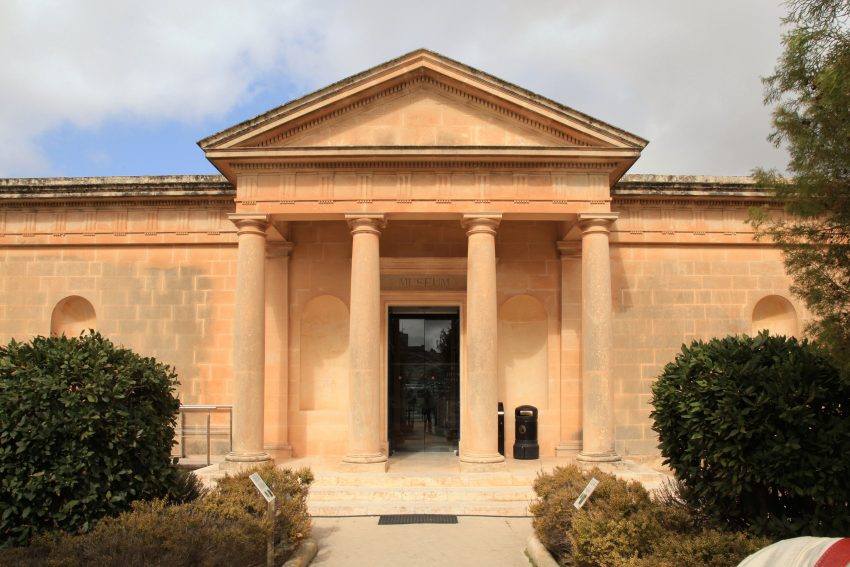
The Domus Romana, or Roman Villa Museum, is one of the must-see places in Rabat if you are fascinated by how people really lived in the ancient world. Just a short stroll from Mdina's fortified walls, this archaeological gem pulls you back to the 1st century BC, when a wealthy Roman family looked out over the countryside from a villa adorned with lavish floor mosaics and fine furnishings.
Discovered in 1881 and later protected by a purpose-built museum, the site offers a rare blend of in situ ruins and curated displays. It is often visited on walking tours of Rabat and Mdina as a perfect counterpoint to the medieval streets above: here, beneath the modern surface, you step into a quieter world of frescoes, tesserae, and everyday objects that make the Roman presence in Malta feel surprisingly close.
Table of Contents
History and Significance of the Domus Romana
The Domus Romana dates back to the 1st century BC, a period when Malta formed part of the Roman Empire and local elites adopted the lifestyles and tastes of the wider Mediterranean world. This villa would have belonged to a high-status family, its decorative schemes and quality materials signalling wealth, education, and cultural sophistication. For centuries, however, the house lay buried and forgotten under layers of later history.
In 1881, excavations brought the villa back to light, astonishing archaeologists with the quality of its mosaics and the preservation of its architectural features. Rather than lifting the floors and scattering the finds, the decision was taken to build a museum directly over the site, allowing visitors to view the remains in their original location. This approach, combining protection with access, set an early example of sensitive archaeological presentation in Malta.
Today, the Domus Romana stands as one of the island's most important windows onto its Roman past. It shows that Malta was not just a strategic naval outpost, but also a place where Roman culture, art, and domestic life took root. The museum's collection and interpretation help place the villa within the broader story of the empire, revealing how a small island at its edge still pulsed with the fashions and ideas of Rome.
Things to See and Do in the Domus Romana
The undisputed stars of the Domus Romana are its mosaics. Laid in intricate geometric and figurative patterns, these floors are made of thousands of tiny tesserae in carefully chosen colours. As you walk along the raised walkways above them, you can pick out motifs and details that echo Italian and North African design traditions, from knotwork borders to stylised animals and symbolic figures. The craftsmanship and balance of the compositions speak volumes about the villa owner's taste and connections.
Beyond the mosaics, the museum displays a wide array of artifacts uncovered on site and from other Roman contexts in Malta. Pottery fragments, glassware, tools, coins, and jewellery all offer clues about daily routines: how people ate, what they wore, how they decorated their homes, and how they traded with the wider Mediterranean. Carefully labelled cases and reconstructions help you imagine these items back in their original settings, rather than as isolated objects behind glass.
The galleries also explore broader aspects of Roman culture on the island, from education and writing to religious practices and social customs. Displays on diet and domestic rituals give a surprisingly intimate sense of life at the edge of the empire, while interpretive panels place the villa within the urban layout of ancient Melite, the Roman city that once stood where Rabat and Mdina now sit. Taken together, the site and museum turn what could have been “just some ruins” into a vivid narrative of a household and its world.
How to Get to the Domus Romana
The Domus Romana sits in Rabat, just below Mdina's walls in central Malta, making it easy to reach as part of any visit to the Silent City. The nearest arrival point is Malta International Airport near Luqa, about 20-30 minutes away by taxi or car depending on traffic and where you are staying on the island. For the best deals and a seamless booking experience, check out these flights to Mdina on Booking.com.
There is no railway network in Malta, so you will not arrive by train; instead, frequent buses connect Valletta, Sliema, St Julian's, and many resort areas with Rabat and Mdina, and several routes stop very close to the museum's entrance on the main road.Train schedules and bookings can be found on Omio. From the bus stop, it is only a short walk to the Domus Romana, clearly signposted and hard to miss.
If you prefer to drive, well-signposted roads lead to Rabat from all parts of the island, and public car parks are available nearby, close to both the Domus Romana and Mdina's fortifications. From the parking areas, you can easily visit the Roman Villa Museum first, then continue on foot up to Mdina Gate or into Rabat's centre to explore further.
Practical Tips on Visiting the Domus Romana
- Suggested tips: Start your visit with the mosaics, then move through the galleries so you have the villa’s layout and atmosphere in mind as you view the artifacts.
- Best time to visit: Late morning or mid-afternoon are ideal, offering good natural light inside the museum and making it easy to pair with visits to Mdina or Rabat before or after.
- Entrance fee: Adults: €6.00
- Opening hours: Open Daily 09:00- 17:00. Close Mondays
- Official website: https://heritagemalta.mt/explore/domvs-romana/
- How long to spend: Allow 45-60 minutes to explore both the mosaics and the museum displays without rushing, longer if you enjoy reading interpretation panels in depth.
- Accessibility: The museum building is relatively compact, but there may be steps and uneven surfaces around the archaeological remains; visitors with reduced mobility should enquire at the entrance about accessible routes.
- Facilities: Expect a reception area, small shop or information point, and toilets on site; cafés and additional services are a short walk away in Rabat and near Mdina Gate.
- Photography tip: If photography is permitted, focus on close-ups of the mosaics’ tesserae and patterns, as well as wider shots that show how the floors fit into the villa’s overall plan.
- Guided tours: Check whether any guided tours or audio guides are available; a guide can help highlight details in the mosaics and artifacts that you might otherwise overlook.
- Nearby food options: After your visit, head into Rabat for coffee, pastizzi, or a sit-down meal in one of the town's many cafés and restaurants, using the Domus Romana as a starting or finishing point for your day.
Where to Stay close to the Domus Romana
Staying near the Domus Romana gives you easy access to both Rabat's local life and Mdina's historic streets, with the added bonus of green spaces like Howard Gardens just a few steps away. Inside Mdina's walls, The Xara Palace Relais & Châteaux offers a luxurious base in a converted palace, only a short walk up from the Roman Villa Museum and perfect if you enjoy historic character and refined comfort. For a more budget-friendly yet well-located option in Rabat, Point de Vue Guesthouse overlooks the countryside and sits within easy walking distance of both the Domus Romana and Mdina Gate. Another appealing choice is Casa Azzopardi Guesthouse, a characterful guesthouse tucked into Rabat’s streets that keeps you close to the museum while offering a more local, neighbourhood feel.
Is the Domus Romana Worth Visiting?
The Domus Romana is absolutely worth visiting, particularly if you are interested in adding an ancient layer to your Mdina and Rabat itinerary. Its mosaics rank among the finest Roman artworks on the island, and the artifacts on display turn abstract “Roman history” into tangible, personal stories of home life, status, and culture. Combined with its convenient location just below Mdina and its thoughtfully designed museum, the Domus Romana stands out as one of the best places to visit in Rabat for travellers who enjoy archaeology, art, and the quieter, more reflective side of Malta's heritage.
What Other Travellers Say...

Domus Romana in Mdina is a compact open‑air Roman house and museum where well‑preserved mosaics, sculptures and numerous recovered artifacts are displayed with bilingual info boards; visitors say it's easy to walk around, not usually crowded, offers an external viewing platform over the archaeological remains and lift access for limited mobility, and accepts card payment only.


FAQs for Visiting Domus Romana
Nearby Attractions to the Domus Romana
- Howard Gardens: A long, shady park between Rabat and Mdina, perfect for a stroll, picnic, or views of Mdina's bastions before or after your museum visit.
- Mdina Gate: The grand Baroque entrance to the Silent City, only a short walk uphill, offering a dramatic transition from Rabat into Mdina's fortified core.
- National Museum of Natural History (Palazzo Vilhena): Located just inside Mdina, this museum explores Malta's geology, habitats, and biodiversity inside a Baroque palace.
- Rabat and St Paul's Catacombs: An extensive early Christian burial complex in nearby Rabat, giving a fascinating underground look at Malta's late Roman and early medieval past.
- Mdina Cathedral (St Paul's Cathedral) and Cathedral Museum: The island's spiritual heart inside Mdina's walls, combining a richly decorated Baroque church with an outstanding collection of sacred art and Dürer prints.
The Domus Romana appears in our Complete Guide to Visiting Mdina!

Moira & Andy
Hey! We're Moira & Andy. From hiking the Camino to trips around Europe in Bert our campervan — we've been traveling together since retirement in 2020!
This website uses affiliate links which may earn a commission at no additional cost to you!
Planning Your Visit
Open Daily 09:00- 17:00. Close Mondays
Adults: €6.00
Nearby Attractions
- Greeks Gate (0.1) km
City Gate - Howard Gardens (0.1) km
Gardens - Mdina Ditch Gardens (0.2) km
Gardens - Mdina Bastions (0.2) km
City Walls - Mesquita Square (0.2) km
Square - The Knights of Malta Museum (0.3) km
Museum - Torre dello Standardo (0.3) km
Tourist Office and Tower - Saint Sofia Palace (0.3) km
Palace - Mdina Gate (0.3) km
City Gate - Mdina Dungeons (0.3) km
Museum