Ancient city of Dimali, Berat
Ruins near Berat
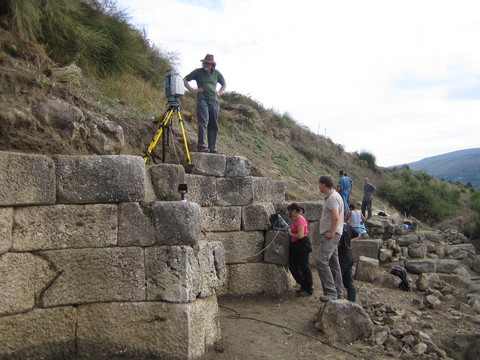
The Ancient City of Dimal is a rugged, atmospheric set of ruins perched above the village of Krotinë on the western side of Mount Shpirag, within easy reach of Berat. It's not a polished “park” with signs and turnstiles; it feels more like a genuine archaeological landscape where stonework, scrub, and views do the storytelling. If you like sites that reward curiosity (and a bit of effort), this is the kind of place that stays in your memory long after the photos.
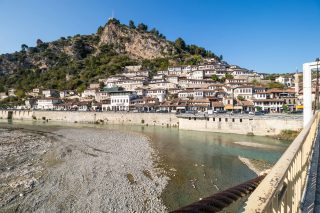
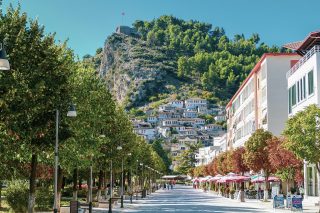
Most visitors come to Berat for the castle, the white-windowed Ottoman streets, and the riverside quarters, but Dimal is a strong add-on when you want something quieter and more ancient. Start with a walking tour of Berat in the morning, then head out for a few hours of hilltop exploring; it's a satisfying contrast, and for travelers who enjoy off-the-beaten-path heritage it can be one of the top sights in Berat beyond the old town.
Table of Contents
- History and Significance of the Ancient City of Dimal
- Things to See and Do in the Ancient City of Dimal
- How to Get to the Ancient City of Dimal
- Practical Tips on Visiting the Ancient City of Dimal
- Where to Stay Close to the Ancient City of Dimal
- Is the Ancient City of Dimal Worth Visiting?
- For Different Travelers
- FAQs for Visiting the Ancient City of Dimal
- Nearby Attractions to the Ancient City of Dimal
History and Significance of the Ancient City of Dimal
Dimal (also known in scholarship as Dimali) was one of the fortified cities of southern Illyria, and its strategic position mattered during the Macedonian-Roman conflicts of the late 3rd century BC. Even today, the siting makes sense: high enough to control approaches and lines of sight, with natural terrain that helps explain why fortification was such a priority here.
Archaeological work in the 20th century brought the site into clearer focus, including the identification of an acropolis area and traces of a planned urban core. Among the most evocative finds are the remains associated with public architecture, including a substantial stoa (a long, columned portico) that hints at civic life beyond purely military defense.
What’s also striking is how “big history” is embedded in small details. Stamped roof tiles found across the site point to organized production and multiple workshops, suggesting a city plugged into wider economic networks rather than a lonely hill-fort. In other words, Dimal wasn’t just holding the line; it was living, building, and trading.
Things to See and Do in the Ancient City of Dimal
Start by orienting yourself with the terrain: the most rewarding way to experience Dimal is to move slowly and let the topography guide you. Follow the lines of the surviving walls and look for changes in masonry style, which can hint at different phases of building and repair.
Spend time in the areas associated with the acropolis, where the sense of elevation and defensive logic is strongest. Even when only foundations and fragments remain, you can often “read” the city’s layout by noting terraces, flatter platforms, and the way paths naturally funnel movement.
Finally, don’t rush the views. Dimal’s setting is a major part of the appeal: you get a wide, open panorama that makes the site feel both remote and connected, especially in late afternoon when the light softens the limestone and the valley below turns golden.
How to Get to the Ancient City of Dimal
Most travelers use Berat as the base, then do Dimal as a short countryside excursion. Tirana International Airport Nënë Tereza (TIA) is the closest major airport for reaching Berat. For the best deals and a seamless booking experience, check out these flights to Berat on Booking.com.
From Tirana and other Albanian cities, buses and minibuses (furgons) run to Berat regularly, and once you're in Berat you can arrange a taxi for a straightforward out-and-back. If you prefer public transport beyond Berat, ask locally about services toward Ura Vajgurore/Dimal or Kuçovë, then plan on a short taxi hop for the final leg, because the site is not typically a “drop at the gate” stop.
Albania's passenger rail network is limited and does not provide a practical train link to Berat for most itineraries, so treat trains as a side experience rather than your main plan. By car, drive from Berat toward the Fier direction and follow local roads toward Krotinë, then expect a final approach that may involve a rougher track and a short walk depending on where you leave the vehicle. If you are looking to rent a car in Albania I recommend having a look at Discover Cars, first, as they compare prices and review multiple car rental agencies for you.
Practical Tips on Visiting the Ancient City of Dimal
- Entrance fee: Free.
- Opening hours: 24 Hours
- Best time to visit: Go in spring or autumn for cooler hiking conditions and clearer views; in midsummer, aim for early morning or late afternoon to avoid peak heat.
- How long to spend: Plan 1-2 hours on-site, plus travel time from Berat; add extra time if you like slow exploration and photography.
- Accessibility: Expect uneven ground, loose stones, and natural paths; it’s not suitable for wheelchairs and can be challenging for anyone with limited mobility.
- Facilities: There are typically no visitor facilities on-site, so bring water, sun protection, and any snacks you want for the visit.
Where to Stay Close to the Ancient City of Dimal
For a culture-heavy itinerary, base yourself in central Berat (Mangalem or Gorica) so you can walk to the main sights; if your priority is quick countryside access for Dimal, wineries, and rural stops, staying around Poshnjë/Dimal makes the driving easier.
In Berat, you'll be well placed for evenings of great food and morning strolls before heading out to the ruins. Hotel Mangalemi is a strong pick in the historic quarter, while Hotel Onufri is another comfortable option close to the river and the castle climb. If you want to sleep closer to the rural side of the itinerary, Dimal Castle can work well as a base for exploring the wider Dimal area.
Is the Ancient City of Dimal Worth Visiting?
Yes, if you value atmosphere and authenticity over curated displays. Dimal delivers a real sense of place: a strategic hilltop, fragments of serious fortification, and the freedom to explore without crowds or noise.
Honest pivot: if you prefer museums, interpretive panels, and “clear highlights” you can understand in five minutes, you may find Dimal too raw. It’s best for travelers who enjoy slow discovery, don’t mind uneven ground, and are happy to bring their own context to what they’re seeing.
What Other Travellers Say...

Ancient city of Dimal is an archaeological ruin near the western slope of Shpiragu mountain featuring remains of fortification walls, an acropolis, a small necropolis and houses; excavations in the 1960s uncovered monuments, porches, stamped Hellenistic tiles and a 30‑metre covered portico, and visitors note it is a largely forgotten site with limited access—rough roads, an uphill 20‑minute walk from the nearest village, no signage and some areas encroached by farming—yet it offers fantastic views and is considered well worth visiting.


For Different Travelers
Families with Kids
This can be a fun mini-adventure for older kids who like climbing, exploring, and spotting “castle walls” in the wild. Treat it like a short hike with a history theme, and keep expectations simple: it’s more about movement and views than about exhibits.
For younger kids or strollers, it's usually not the best fit because of rocky footing and the lack of railings or defined paths. If you do go, keep it short, stick to the easiest terrain, and plan a reward stop back in Berat (ice cream by the river works well).
Couples & Romantic Getaways
Dimal is a good “quiet escape” from Berat’s busier lanes, especially if you time it for late afternoon when the landscape looks its best. Bring water, take it slow, and let the scenery do the work; it’s a low-pressure outing that feels a bit like you’ve found your own secret ruin.
Pair it with a relaxed evening back in town rather than overplanning the day. The simple rhythm works: hilltop wandering, golden-hour photos, then a long dinner in Berat with local wine.
Budget Travelers
This is an excellent value stop because the site itself is typically free, and the main cost is transport. If you’re watching spend, share a taxi with other travelers or ask your guesthouse to help you find a driver who’s happy to wait and bring you back.
Bring snacks and refillable water to avoid paying “convenience prices” once you're out of town. Budget-wise, Dimal fits best as a half-day trip you slot in between walking-heavy days in Berat.
History Buffs
Dimal is rewarding because it’s not just a viewpoint; it’s a fortified Illyrian city with evidence of civic architecture and organized building activity. Take a few minutes to look closely at wall lines, terraces, and any visible structural platforms, then think about how movement and defense would have worked here.
If you want more context, read a short primer on Illyrian urban sites before you go, then use the visit to connect the dots in real terrain. It’s the kind of place where a little background knowledge makes every stone feel more meaningful.
FAQs for Visiting the Ancient City of Dimal
Getting There
Tickets & Entry
Visiting Experience
Tours, Context & Itineraries
Photography
Accessibility & Facilities
Safety & Timing
Nearby Attractions to the Ancient City of Dimal
- Berat Castle: A living fortress district with churches, viewpoints, and a deep layer-cake of history above the old town.
- Mangalem Quarter: Berat's iconic Ottoman-era hillside neighborhood, best enjoyed by wandering its lanes and river viewpoints.
- Gorica Bridge & Gorica Quarter: Cross the stone bridge for a calmer, local-feeling side of the city with great photo angles back toward Mangalem.
- Onufri Iconographic Museum: A highlight for art lovers, with richly colored icons and a strong sense of place inside the castle walls.
- Apollonia Archaeological Park: A larger-scale classical site for a full day trip, with monumental remains and a more structured visitor experience.
The Ancient city of Dimali appears in our Complete Guide to Visiting Berat!

Moira & Andy
Hey! We're Moira & Andy. From hiking the Camino to trips around Europe in Bert our campervan — we've been traveling together since retirement in 2020!
This website uses affiliate links which may earn a commission at no additional cost to you!
Planning Your Visit
24 Hours
Free.
Nearby Attractions
- Çobo Winery (7.6) km
Vinyard - Monument of Constantine the Great (11.5) km
Monument - Holy Trinity Church (11.5) km
Church - Berat Iconography Museum (11.6) km
Museum - Gorica Castle (11.6) km
Castle and Ruins - The Ruins of the White Mosque (11.6) km
Historic Building - Berat Castle (11.6) km
Castle - Gorica Bridge (11.6) km
Bridge - Ruins of the Red Mosque (11.7) km
Historic Building - St. Michael’s Church (11.7) km
Church