Cueva de la Pileta, Ronda
Cave near Ronda
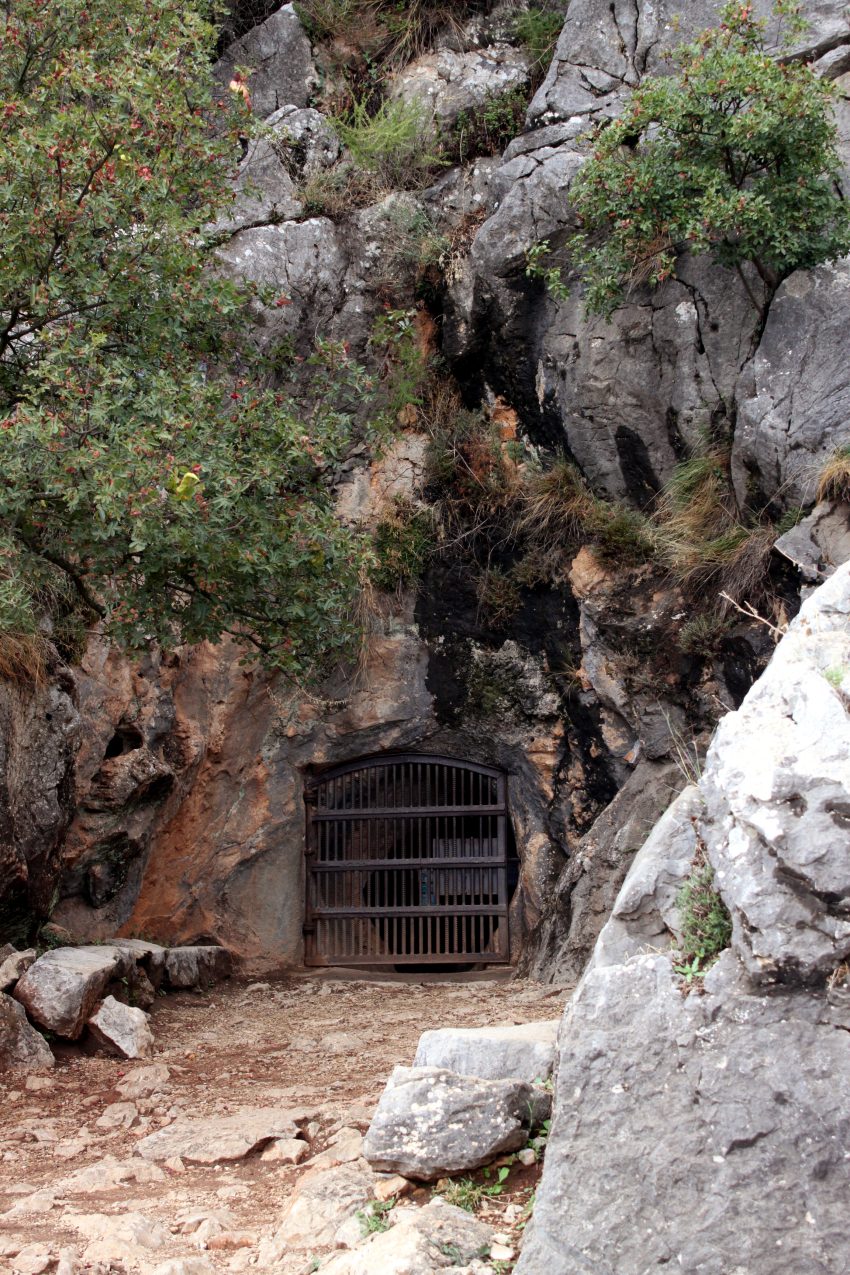
Cueva de la Pileta is a limestone cave around 20 km southwest of Ronda, tucked into the hills near Benaoján and reached by a rural drive that already feels like part of the adventure. What makes it special is how human and unpolished it remains: visits are by torchlit guided tour, and the experience is led by the Bullón family, whose ancestor discovered the cave in 1905.
Inside, you're walking through a cave system shaped by an ancient underground river, where water has smoothed rock walls over thousands of years and stalactites grew during drier periods. For curious travelers, it's one of the things to do in Ronda if you want to swap viewpoints for something far older and more intimate..
Table of Contents
- History and Significance of the Cueva de la Pileta
- Things to See and Do in the Cueva de la Pileta
- How to Get to the Cueva de la Pileta
- Practical Tips on Visiting the Cueva de la Pileta
- Where to Stay Close to the Cueva de la Pileta
- Is the Cueva de la Pileta Worth Visiting?
- For Different Travelers
- FAQs for Visiting Cueva de la Pileta
- Nearby Attractions to the Cueva de la Pileta
History and Significance of the Cueva de la Pileta
Cueva de la Pileta was discovered in 1905, and it quickly became significant for what it preserved on its walls: Stone Age paintings that include animals such as horses, goats, and fish, dated to roughly 20,000-25,000 years ago. That time depth is hard to process until you're actually inside, standing in a chamber where people left marks long before written history, cities, or even agriculture.
The cave’s geology is part of its story. Being limestone, it formed as an underground river route, with periods of torrential flow wearing the walls smooth and other periods allowing mineral deposits to build stalactites and textured formations. The environment that protected the art also shaped the “feel” of the visit: damp air, echoing chambers, and surfaces polished by water over immense timescales.
It’s also notable for staying relatively uncommercial. The tour structure and family stewardship keep it personal, and the atmosphere leans more toward “protected discovery” than “theme-park cave,” which is exactly what many travelers hope for when visiting prehistoric sites.
Things to See and Do in the Cueva de la Pileta
The headline experience is the torchlit guided tour, which lasts about an hour and takes you through a sequence of chambers where your eyes gradually adjust to the cave’s textures and shadows. The lighting makes the visit feel closer to how early explorers and researchers would have encountered the paintings-less glossy, more immersive, and often surprisingly moving.
Look for two broad styles of prehistoric art. One group is associated with Cro-Magnon era Upper Paleolithic imagery, including animal figures that feel purposeful and observant, as if the artists were documenting the life around them. The other style is often described as Levantine-type motifs, with simpler charcoal-like markings such as zigzags, stick figures, and scenes that include archers hunting prey.
Beyond the art, pay attention to the cave itself: smoothed limestone walls, dripstone details, and the sense of moving through a former river system. Even if you came “for the paintings,” the geology becomes part of the memory because it shapes every step and every viewpoint.
How to Get to the Cueva de la Pileta
Most travelers fly into Málaga Airport, which is the most convenient option for reaching Ronda and then continuing into the surrounding white-village countryside. For the best deals and a seamless booking experience, check out these flights to Ronda on Booking.com. Seville Airport is another workable choice if you're building a broader Andalusia itinerary and want to approach the region from the west. For the best deals and a seamless booking experience, check out these flights to Ronda on Booking.com.
By train, the simplest base is Ronda, then you continue onward to the cave area by road. Train schedules and bookings can be found on Omio. There is also a regional rail stop at Benaoján-Montejaque on the line through the valley, which can be useful if you’re staying locally, but you’ll still need a taxi or onward transport to reach the cave entrance area. Train schedules and bookings can be found on Omio.
Buses can get you part of the way (for example, between Ronda and nearby villages), but services are limited and timings often don't align neatly with tour slots, so this is best only if you're flexible or staying locally. For most visitors, the easiest approach is driving from Ronda into the hills toward Benaoján and following local signs to the cave access point. If you are looking to rent a car in Spain I recommend having a look at Discover Cars, first, as they compare prices and review multiple car rental agencies for you.
Practical Tips on Visiting the Cueva de la Pileta
- Entrance fee: Adults: €10.00
- Opening hours: Tours: 10:00-13:00 & 16:00-18:00
- Official website: https://cuevadelapileta.es/visita
- Best time to visit: Spring and autumn are ideal, when the countryside drive is beautiful and temperatures are comfortable before and after the cave. In summer, aim for an earlier tour time so you’re not combining midday heat with a longer outdoor approach.
- How long to spend: Set aside 2-3 hours total including arrival, meeting your guide, and the one-hour tour, plus a little buffer for rural road timing. If you're coming from Ronda, it's an easy half-day outing with time left for a late lunch back in town.
- Accessibility: Expect uneven ground, steps, and low-light conditions during the torchlit tour, which can be challenging for limited mobility or anyone uneasy on irregular surfaces. If you have claustrophobia or don’t like tight, dim spaces, this may feel intense even though the tour pace is steady.
- Facilities: Treat this as a bring-what-you-need visit: wear grippy shoes, carry water, and plan your main restroom and café stops before you arrive. The experience is focused on the cave itself rather than visitor-center comforts.
Where to Stay Close to the Cueva de la Pileta
For a culture-heavy itinerary, base yourself in central Ronda near the main sights so you can cover the old town on foot and dip into museums, viewpoints, and evening dining with zero logistics; for a nature-focused trip built around caves, hikes, and early starts, staying in the Benaoján-Montejaque area (or nearby rural lodgings) makes the mornings simpler and the nights quieter. If you want a stylish base in Ronda with an easy drive out to the cave, Soho Boutique Palacio San Gabriel is a strong old-town option. For a more rural, slow-travel feel that suits countryside days, Hotel Boutique Molino del Arco is a great choice. If you’d like a comfortable, classic hotel with a calmer setting while staying close to Ronda’s highlights, Catalonia Reina Victoria works well.
Is the Cueva de la Pileta Worth Visiting?
Yes, if you want an experience that feels genuinely ancient and a little wild around the edges. The combination of torchlight, family-led guiding, and real prehistoric art creates a sense of closeness to the past that’s hard to replicate in more polished sites.
It's especially worthwhile if your Ronda itinerary is heavy on viewpoints and architecture and you want something that shifts the scale of time completely. You come away not just with photos, but with the feeling of having stepped into a deep, human timeline.
What Other Travellers Say...

Cueva de la Pileta, located in Benaoján, Málaga, is a sizable limestone cave featuring prehistoric paintings, striking stalactites and stalagmites, and a resident population of small bats; visits are led only by guides (bilingual English/Spanish) in small groups to protect the site, the approach involves a short steep climb and slippery paths so wear sturdy shoes, and tours require advance booking with cash recommended.


For Different Travelers
Families with Kids
This can be a memorable outing for older kids and teens who enjoy “real discovery” experiences, especially the idea of torchlight and prehistoric paintings. For younger children, it depends on comfort with darkness and uneven ground, so it’s best if they’re confident walkers and not easily spooked by enclosed spaces.
A good family strategy is to frame it as an adventure rather than a museum: comfortable shoes, a steady pace, and clear expectations that you’ll be walking carefully in low light. Pair it with a relaxed lunch afterward so the day doesn’t feel too demanding.
Couples & Romantic Getaways
For couples, the cave works well as a shared “story” experience-quiet, unusual, and far from the typical Andalusia highlights. The torchlit setting feels intimate in a way that busy viewpoints rarely do, and the countryside drive adds a sense of escape from the town.
It's a great contrast day if you've already done Ronda's main scenery and want something more personal and surprising. Finish with dinner back in Ronda for the best mix of adventure and comfort.
Budget Travelers
This is a strong value outing if you want one standout experience beyond Ronda’s free viewpoints. Because the tour is guided and genuinely distinctive, it often feels more memorable than paying for another conventional museum entry.
To keep costs down, base in Ronda, pack snacks and water, and make the cave a half-day trip you combine with free old-town wandering later. The variety makes the day feel full without stacking fees.
FAQs for Visiting Cueva de la Pileta
Getting There
Tickets & Entry
Visiting Experience
Tours, Context & Itineraries
Photography
Accessibility & Facilities
Food & Breaks Nearby
Safety & Timing
Nearby Attractions to the Cueva de la Pileta
- Benaoján: A small white village base in the valley, great for a quiet coffee stop and a slower countryside pace.
- Cueva del Gato: A dramatic cave and river emergence spot known for its striking entrance and photogenic natural setting.
- Setenil de las Bodegas: A famous nearby town where houses are built into the rock overhangs, perfect for an easy half-day wander.
- Grazalema Natural Park: A mountain landscape of forests, ridges, and viewpoints, ideal for scenic drives and cooler-air walks.
- Puente Nuevo, Ronda: The iconic bridge over El Tajo gorge, an essential contrast to the prehistoric time-travel of the cave.
The Cueva de la Pileta appears in our Complete Guide to Visiting Ronda!

Moira & Andy
Hey! We're Moira & Andy. From hiking the Camino to trips around Europe in Bert our campervan — we've been traveling together since retirement in 2020!
This website uses affiliate links which may earn a commission at no additional cost to you!
Planning Your Visit
Tours: 10:00-13:00 & 16:00-18:00
Adults: €10.00
Nearby Attractions
- Cueva del Gato (4.9) km
Cave and Pool - Puerta Del Viento (10.4) km
City Gate - Albacara Walls (10.4) km
City Walls - Puerta de los Molinos (10.5) km
City Gate - Palacio de Mondragon (10.5) km
Gardens, Museum and Palace - Puerta de Almocabar (10.6) km
City Gate and City Walls - Plaza de María Auxiliadora (10.6) km
Square - Plaza Duquesa de Parcent (10.6) km
Square - Castillo del Laurel (10.6) km
Castle - Iglesia del Espíritu Santo (10.6) km
Church