Colexiata de Santa María do Campo, La Coruna
Church, Historic Building and Historic Site in La Coruna
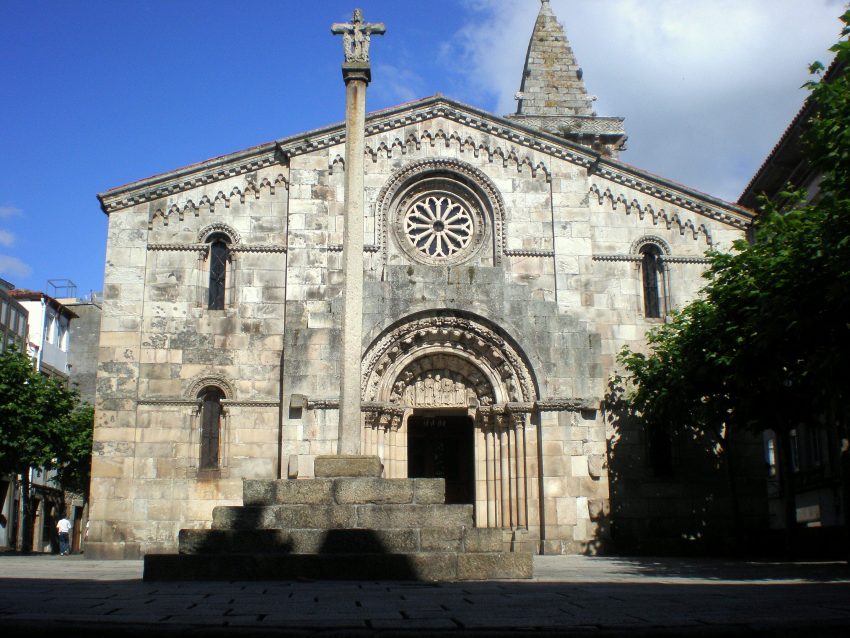
Tucked into the lanes of La Coruna's Cidade Vella (Old Town), the Colexiata de Santa María do Campo is a serene medieval church that rewards slow looking. It's an easy stop between the waterfront and the historic core, and its understated feel can be a refreshing contrast to more ornate churches elsewhere in Spain.
It's especially enjoyable as part of a self-guided walking tour through the Old Town: pair it with nearby plazas, viewpoints, and the harborfront for a compact half-day itinerary. For the best views, linger at the main portico to study the carved figures, then step back outside to appreciate the church's proportions in the surrounding streets.
Table of Contents
- History and Significance of the Colexiata de Santa María do Campo
- Things to See and Do in the Colexiata de Santa María do Campo
- How to Get to the Colexiata de Santa María do Campo
- Practical Tips on Visiting the Colexiata de Santa María do Campo
- Where to Stay Close to the Colexiata de Santa María do Campo
- Is the Colexiata de Santa María do Campo Worth Visiting?
- For Different Travelers
- FAQs for Visiting Colexiata de Santa María do Campo
- Nearby Attractions to the Colexiata de Santa María do Campo
History and Significance of the Colexiata de Santa María do Campo
The Colexiata de Santa María do Campo is one of La Coruna's key medieval religious landmarks, with construction spanning the 12th to 14th centuries. Its architecture reflects that transition period, where Romanesque solidity begins to give way to early Gothic forms, creating a building that feels both grounded and elegant.
Historically, it has been closely tied to the life of the port city and its communities, serving as a long-standing place of worship and local identity. Its location in the Old Town also places it naturally on cultural routes through the historic center, including pilgrim-linked itineraries connected to the wider Camino tradition.
Beyond faith, the church is significant as a living piece of the city’s architectural timeline. Details like the portico sculpture and the overall scale help explain how sacred buildings here were designed to be both devotional spaces and civic markers.
Things to See and Do in the Colexiata de Santa María do Campo
Start at the exterior and give the main portico your full attention: the carvings are the kind of detail that can be missed if you rush. Look for the expressive faces and the arrangement of figures around the entrance, then step to different angles to see how the light changes the relief.
Inside, the atmosphere is typically quiet and simple, which makes it easier to focus on the structure itself: arches, stonework, and the sense of medieval proportion. If you’ve been visiting heavily decorated Baroque interiors, this calmer style can feel like a palate cleanser.
After your visit, continue your walking loop through the Old Town streets nearby, where you can connect the church to the broader medieval fabric of La Coruna. It's also a good spot to pause, take a few photos outside, and then head toward nearby plazas for a coffee break.
How to Get to the Colexiata de Santa María do Campo
The nearest airports are A Coruña Airport (LCG) for the quickest arrival, with Santiago de Compostela Airport (SCQ) as a common alternative with broader flight options. For the best deals and a seamless booking experience, check out these flights to La Coruna on Booking.com.
If you’re coming from elsewhere in Spain, arriving by train to A Coruña’s main station is a straightforward option, then continue by taxi, local bus, or a walk into the Old Town. Train schedules and bookings can be found on Omio.
Driving can work well for a Galicia road trip, but the Old Town streets are narrow and parking is limited, so it's best to use a public car park and walk the last stretch. If you are looking to rent a car in Spain I recommend having a look at Discover Cars, first, as they compare prices and review multiple car rental agencies for you.
Practical Tips on Visiting the Colexiata de Santa María do Campo
- Official website: https://colegiatacoruna.es/
- Entrance fee: Free; donations appreciated.
- Opening hours: Monday – Friday: 11:00–13:00. Saturday: Closed. Sunday: Closed.
- Best time to visit: Go on a weekday late morning for the calmest experience, and avoid arriving right as services begin. If you want better photos outside, aim for clearer light earlier in the day.
- How long to spend: Plan 20–40 minutes for a focused visit, or up to an hour if you like architectural details and slow photography.
- Accessibility: Expect a historic setting with potential uneven flooring and steps; some visitors may need assistance. If you use a mobility aid, it’s worth confirming the easiest entrance approach on arrival.
- Facilities: Facilities on-site may be limited; plan to use nearby cafés in the Old Town for restrooms and a break.
Where to Stay Close to the Colexiata de Santa María do Campo
Base yourself in the Old Town/central waterfront area for the easiest walking access to the Colexiata and La Coruna’s main sights.
Hotel NH Collection A Coruña Finisterre A polished, comfortable choice near the Old Town and seafront, ideal if you want an easy walk to historic sights plus a more resort-like feel.
Hotel Zenit Coruña A reliable mid-range option with a central location that makes it simple to split time between the Old Town and the modern city center.
Eurostars Ciudad de La Coruña Great if you prefer a quieter stay with sea views, while still being a manageable walk or short ride to the Old Town.
Hotel Riazor A practical pick on the beachfront promenade, perfect for travelers who want morning walks by the water and easy access to restaurants.
Hostal Hotil A budget-friendly base in a very walkable area, useful if you plan to spend most of your time out exploring rather than in the room.
Is the Colexiata de Santa María do Campo Worth Visiting?
Yes, it's worth visiting if you enjoy medieval architecture, quieter sacred spaces, and the feeling of discovering a landmark that isn't trying too hard to impress. The church's scale, Romanesque-to-Gothic character, and memorable portico details make it a strong stop on an Old Town walking route.
Honest Pivot: if you're short on time and only want one major church interior in La Coruna, you might prefer a larger, more dramatic site and simply admire this one from the outside. It's also not the best fit if you're specifically chasing lavish Baroque decoration.
What Other Travellers Say...

Reviews are overwhelmingly positive, with visitors describing the church as beautiful, well preserved, and especially rewarding for fans of medieval architecture. Many highlight the calmer, simpler feel compared with more ornate Baroque interiors, and call out the Romanesque arches and the expressive sculpted figures at the portico as standout details. Common downsides are minor: some travelers find it a quick visit rather than a major time-filler, and access/visiting can depend on church activity or limited visitor hours.


For Different Travelers
The Colexiata fits nicely into many itineraries because it’s compact, central, and doesn’t demand a big time commitment. Think of it as a high-quality “add-on” that deepens your understanding of the Old Town.
Families with Kids
Families can treat this as a short, low-stress stop between more energetic activities like seaside walks and plaza time. The exterior carvings are a natural hook for kids who like spotting faces and figures.
Inside, keep it brief and set a simple challenge (find arches, count columns, look for the most interesting carving) to maintain attention. Plan a snack break afterward in the nearby streets.
Couples & Romantic Getaways
Couples will appreciate the calm mood and the way the church fits into a wandering Old Town date: slow streets, stone façades, and a quick cultural stop. It’s especially nice as part of a sunset-leaning walk toward viewpoints and the waterfront.
For a more romantic rhythm, visit, then head to a nearby café or wine bar and compare notes on the details you noticed. The simplicity of the interior can make the experience feel more intimate.
Budget Travelers
This is a strong budget-friendly sight because it’s easy to reach on foot and doesn’t require a big time investment. It also pairs well with other free or low-cost Old Town highlights.
To keep costs down, build a walking loop: church, plazas, viewpoints, and the harborfront, then grab a simple menu del día nearby. You’ll get a full experience of the historic center without paid attractions.
History Buffs
History lovers will enjoy reading the building as a timeline, especially the blend of Romanesque and early Gothic elements. It’s a tangible way to understand how styles changed over centuries in a working port city.
Bring a small note-taking mindset: focus on the portal sculpture, the structure of the arches, and how the church sits in the medieval street plan. Pair it with other Old Town landmarks to build context.
FAQs for Visiting Colexiata de Santa María do Campo
Getting There
Tickets & Entry
Visiting Experience
Tours, Context & Itineraries
Photography
Accessibility & Facilities
Food & Breaks Nearby
Safety & Timing
Nearby Attractions to the Colexiata de Santa María do Campo
- Plaza de María Pita: The city's grand central square, great for photos, cafés, and people-watching.
- Castelo de San Antón: A historic coastal fortress with strong maritime-city context and scenic surroundings.
- Jardín de San Carlos: A small, peaceful garden with viewpoints and a classic Old Town atmosphere.
- Paseo del Parrote: A waterfront promenade ideal for an easy walk between Old Town landmarks.
- Torre de Hércules: La Coruna's iconic lighthouse and a must for panoramic coastal views.
The Colexiata de Santa María do Campo appears in our Complete Guide to Visiting La Coruna!

Moira & Andy
Hey! We're Moira & Andy. From hiking the Camino to trips around Europe in Bert our campervan — we've been traveling together since retirement in 2020!
This website uses affiliate links which may earn a commission at no additional cost to you!
Planning Your Visit
Monday - Friday: 11:00-13:00.
Saturday: Closed.
Sunday: Closed.
Free; donations appreciated.
Nearby Attractions
- Pazo da Capitanía (0.2) km
Historic Building and Museum - Coruña City Hall (0.2) km
Attraction, Historic Building and Town Hall - Praza de María Pita (0.3) km
Area, Attraction and Square - Museo Histórico Militar (0.3) km
Attraction, Historic Site and Museum - Ruins of the Convent of Saint Francis (0.3) km
Convent, Historic Site and Ruins - Church of St. George (0.3) km
Church, Historic Building and Religious Building - Mercado de San Agustín (0.4) km
Market - Teatro Rosalía de Castro (0.5) km
Arts Venue, Historic Building and Theatre - Avenida da Mariña (0.5) km
Area, Promenade and Street - Casa De Paredes (0.6) km
Attraction, Historic Building and Historic Site