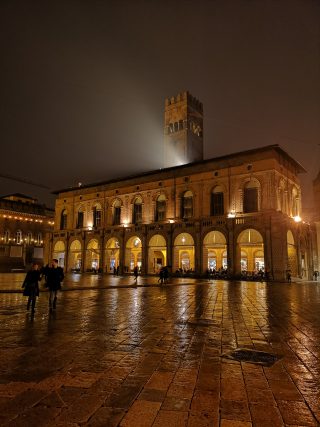
Civico Lapidario, Ferrara
Historic Building and Museum in Ferrara
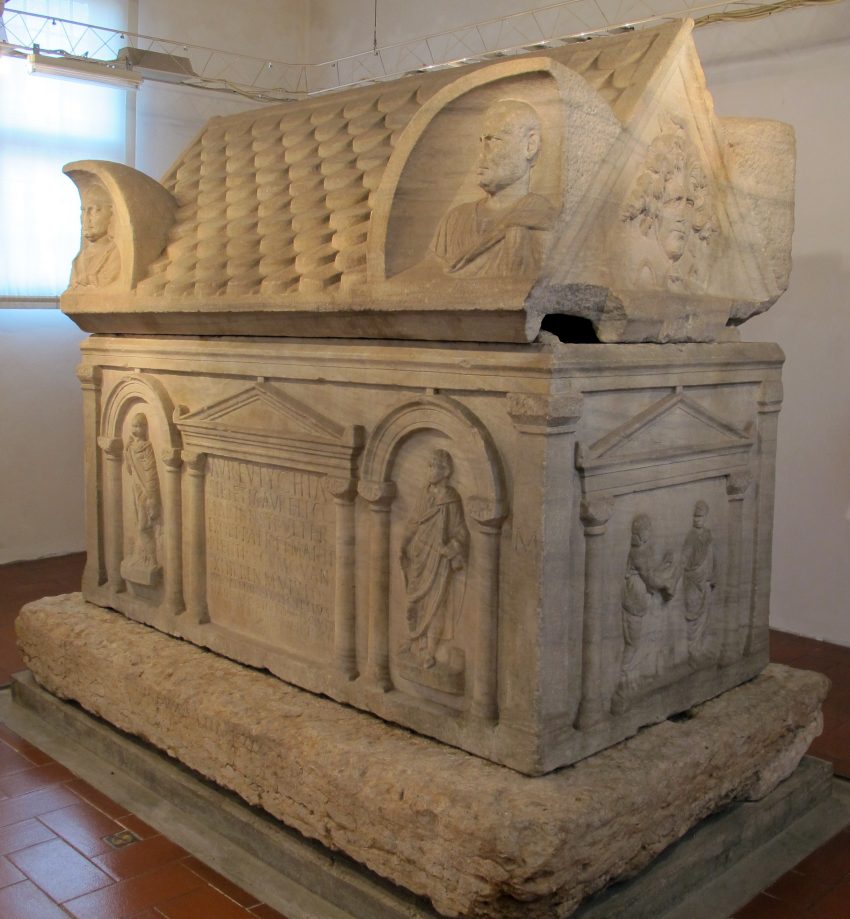
The Lapidary Museum, set inside the former church of Santa Libera, offers one of Ferrara's most atmospheric encounters with the Roman world. Its collection focuses on marble funerary works dating from the 1st to the 3rd century A.D., a period when stone inscriptions were already declining across the empire. These pieces shed light on the people who lived in the Po Delta - their families, beliefs, and social structures - making the museum one of the things to do in Ferrara for archaeology enthusiasts.
Many of the displayed works come from local burial sites and settlements, illustrating the region's importance within Roman northern Italy. Standing among steles, inscriptions, and sculpted sarcophagi offers a quiet, reflective experience that is often visited on walking tours of Ferrara.
Table of Contents
- History and Significance of the Lapidary Museum
- Things to See and Do in the Lapidary Museum
- How to Get to the Lapidary Museum
- Practical Tips on Visiting the Lapidary Museum
- Where to Stay close to the Lapidary Museum
- Is the Lapidary Museum Worth Visiting?
- FAQs for Visiting the Lapidary Museum
- Nearby Attractions to the Lapidary Museum
History and Significance of the Lapidary Museum
Located in the deconsecrated church of Santa Libera, the museum was created to preserve the many Roman marble pieces uncovered across the Ferrara region. These works offer invaluable insight into the funerary customs of the delta, an area shaped by waterways, agriculture, and trade throughout antiquity.
The museum’s timeline spans roughly two centuries - from the 1st to the 3rd century A.D. - a transitional period when traditional Roman epigraphy was gradually declining. Yet in this region, stone remained a powerful medium for commemorating individuals. The inscriptions and imagery reveal family ties, professions, and social hierarchies.
Among the masterpieces is the monumental sarcophagus of the Aurelii, dated to the 3rd century A.D., crafted with exceptional detail by artisans of the Ravenna area. The small sarcophagus of the child Neon, found in Voghenza, provides a moving example of Roman funerary art and the personal stories preserved in stone.
Things to See and Do in the Lapidary Museum
Visitors can walk among dozens of funerary steles inscribed with personal dedications, portraits, and symbolic motifs. These steles offer direct links to the individuals who lived in the Po Delta nearly two millennia ago.
The sarcophagus of the Aurelii is one of the museum's most impressive works, featuring elaborate sculptural decoration. Its craftsmanship reflects the influence of Ravenna, a major artistic centre during the Roman and late antique periods.
The small sarcophagus of Neon is another highlight, remarkable for its delicate carvings and the poignant story it suggests. Throughout the museum, inscriptions help reconstruct aspects of Roman life in the delta, from family relationships to social status and territorial organisation.
How to Get to the Lapidary Museum
The closest major airport is Bologna Guglielmo Marconi Airport, offering frequent domestic and international flights. For the best deals and a seamless booking experience, check out these flights to Ferrara on Booking.com.
Ferrara's railway station provides straightforward train connections with Bologna, Venice, Padua, and Ravenna. Use Omnio to easily compare schedules, book train tickets, and find the best prices all in one place for a hassle-free journey across Italy.
If arriving by car, several parking areas around the edge of the historic centre make it easy to walk to Santa Libera. If you are looking to rent a car in Italy I recommend having a look at Discover Cars, first, as they compare prices and review multiple car rental agencies for you.
Practical Tips on Visiting the Lapidary Museum
- Best time to visit the Lapidary Museum: Spring and autumn for comfortable temperatures and quieter galleries.
- Entrance fee in Euros: Typically 3-6 EUR.
- Opening hours: Usually open several days a week; hours vary seasonally.
- Official website: Search “Museo Lapidario Ferrara official site” for current information.
- How long to spend: Around 30-45 minutes.
- Accessibility: Most areas are accessible; some sections may have small steps.
- Facilities: Restrooms and nearby cafés in the surrounding streets.
- Photography tip: Side lighting highlights the carved marble reliefs.
- Guided tours: Occasionally available through local cultural associations.
- Nearby food options: Trattorias and cafés near Via San Romano.
Where to Stay close to the Lapidary Museum
Staying near the Lapidary Museum places you close to Ferrara’s historic centre and major monuments. Hotel Annunziata offers boutique comfort steps from the cathedral and castle. For Renaissance charm, Duchessa Isabella Collection is an excellent choice. A practical modern option is Hotel Touring, conveniently located between the station and the core of the city.
Is the Lapidary Museum Worth Visiting?
Yes - the Lapidary Museum is a rewarding and atmospheric stop for anyone interested in Roman archaeology. Its collection preserves the stories of the Po Delta’s ancient inhabitants and provides rare insight into funerary art, local identity, and craftsmanship during the early imperial period.
What Other Travellers Say...

Museo Lapidario, on Via Camposabbionario 1 in Ferrara, is a small lapidary museum housed in a deconsecrated church opposite the Schifanoia Museum; it displays a collection of Roman marble inscriptions and fragments arranged neatly (best for lovers of Roman stone remains), visits typically take about 15 minutes though enthusiasts may stay longer, admission is linked to a multi-museum ticket and reception staff are noted as friendly by some visitors while others found the ticketing policy off-putting.


FAQs for Visiting the Lapidary Museum
Nearby Attractions to the Lapidary Museum
- Ferrara Cathedral: A blend of Romanesque, Gothic, and Baroque architecture.
- Estense Castle: A moated fortress with towers, dungeons, and Renaissance chambers.
- Cathedral Museum: Masterpieces of sacred art linked to the cathedral's history.
- Via delle Volte: A medieval street with atmospheric arches.
- Palazzo dei Diamanti: Famous for its diamond-cut marble façade and exhibitions.
The Civico Lapidario appears in our Complete Guide to Visiting Ferrara!

Moira & Andy
Hey! We're Moira & Andy. From hiking the Camino to trips around Europe in Bert our campervan — we've been traveling together since retirement in 2020!
This website uses affiliate links which may earn a commission at no additional cost to you!
Planning Your Visit
10.00-19.00. Ticket office closes at 18.00. Closed on Monday.
The Lapidary can be visited with the same ticket used for Palazzo Schifanoia
Nearby Attractions
- Palazzo Schifanoia (0.1) km
Palace - Santa Maria, Vado (0.2) km
Church - Palazzina Marfisa d'Este (0.3) km
Palace - National Archaeological Museum (0.4) km
Museum - Cathedral Museum (0.9) km
Historic Building and Museum - Ferrara Cathedral (1.0) km
Cathedral - Estense Castle (1.2) km
Castle - National Picture Gallery (1.5) km
Gallery and Historic Building - Palazzo dei Diamanti (1.5) km
Palace - Bologna Guglielmo Marconi Airport (42.6) km
Airport