Cathedral of Barcelona
Cathedral, Historic Building and Religious Building in Barcelona
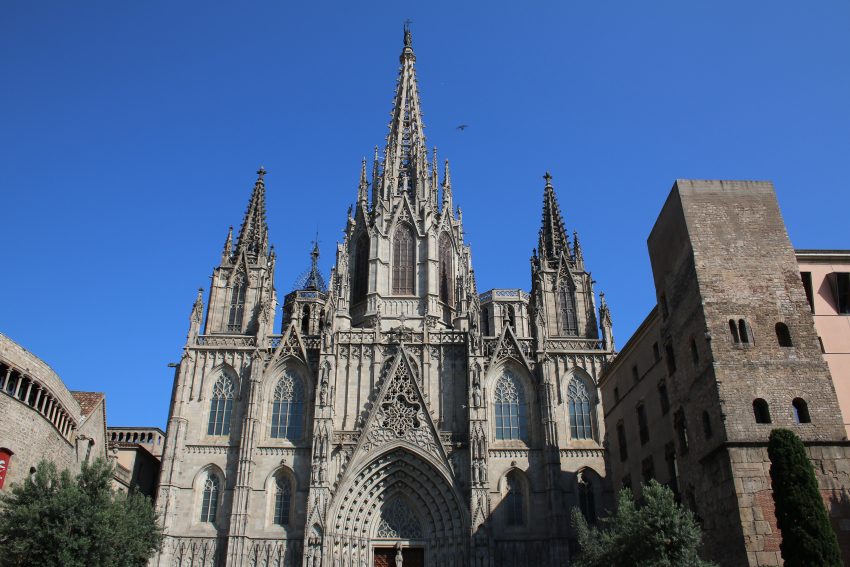
The Cathedral of Barcelona (also known as the Cathedral of the Holy Cross and Saint Eulalia) rises above Pla de la Seu in the Barri Gòtic, right in the historic core of Barcelona. From the outside, it's a dramatic Gothic façade framed by narrow medieval streets; inside, it's a surprisingly calm space of soaring vaults, chapels, and candlelit corners.
It's an easy add-on to a walking tour of the Gothic Quarter, and one of the best places in the neighborhood to slow down and look up. Pair it with a loop through Plaça del Rei and the Roman walls, then come back for the cloister and rooftop terraces when the light is best.
Table of Contents
- History and Significance of the Cathedral of Barcelona
- Things to See and Do in the Cathedral of Barcelona
- How to Get to the Cathedral of Barcelona
- Practical Tips on Visiting the Cathedral of Barcelona
- Where to Stay Close to the Cathedral of Barcelona
- Is the Cathedral of Barcelona Worth Visiting?
- For Different Travelers
- FAQs for Visiting Cathedral of Barcelona
- Nearby Attractions to the Cathedral of Barcelona
History and Significance of the Cathedral of Barcelona
The cathedral is dedicated to Santa Eulàlia, Barcelona’s co-patron saint, and it has long been one of the city’s most important religious and civic landmarks. While the site reflects layers of earlier worship, the cathedral most visitors see today is a major Gothic project that helped define Barcelona’s medieval identity.
Beyond its religious role, the building is a living archive of the city's art and patronage: side chapels funded by guilds, memorials to notable figures, and details that reward slow looking. Even if you're not usually a “church person,” the cathedral's scale and craftsmanship make it a key stop for understanding how the Gothic Quarter grew around power, faith, and trade.
Things to See and Do in the Cathedral of Barcelona
Start with the nave and chapels: the interior feels monumental, with high ribbed vaults and a procession of side altars that show different artistic styles across centuries. If you’re using an audio guide, this is where it pays off, because many highlights are easy to miss without context.
Don’t skip the cloister, which many visitors call the standout. It’s a peaceful pocket of greenery with a fountain, palm trees, and the famous geese, and it feels worlds away from the busy lanes outside.
If conditions allow, head up to the terraces for elevated views over the Gothic Quarter rooftops. It's one of the most memorable “old Barcelona” panoramas you can get without trekking to a hilltop viewpoint.
How to Get to the Cathedral of Barcelona
Barcelona–El Prat Airport (BCN) is the main international gateway, and Girona–Costa Brava Airport (GRO) is a common alternative for some European routes. For the best deals and a seamless booking experience, check out these flights to Barcelona on Booking.com.
If you're arriving by rail, Barcelona Sants is the primary long-distance station; from there, connect by Metro or taxi into the Gothic Quarter area. Train schedules and bookings can be found on Omio.
Driving into Ciutat Vella is rarely worth it due to restricted access and limited parking, so plan to park outside the center and continue by Metro or on foot. If you are looking to rent a car in Spain I recommend having a look at Discover Cars, first, as they compare prices and review multiple car rental agencies for you.
Practical Tips on Visiting the Cathedral of Barcelona
- Official website: https://catedralbcn.org/
- Entrance fee: Adults: €16; Students (up to 25): €14; Groups: €8; Visitors with disability (from 33%): free.
- Opening hours: Monday – Friday: 09:30–18:30. Saturday: 09:30–17:15. Sunday: 14:00–17:00.
- Best time to visit: Go early or later in the afternoon to avoid the biggest crowds in the Gothic Quarter, and aim for softer light if you want terrace photos.
- How long to spend: Plan 45–90 minutes for the cathedral and cloister, and add extra time if you’re doing the terraces and reading chapel details.
- Accessibility: Step-free access is available via an alternate entrance, and the surrounding streets are mostly flat but can be uneven with old stone paving.
- Facilities: Expect restrooms and a small shop area on-site, plus plenty of cafés and bakeries within a 2–5 minute walk around the cathedral square.
Where to Stay Close to the Cathedral of Barcelona
The best area to base yourself is the Gothic Quarter/El Born for maximum walkability to major sights and easy access to tapas bars and transit.
Hotel Neri Relais & Châteaux A splurge-worthy boutique option tucked into a quiet Gothic Quarter lane, ideal if you want atmosphere and a genuinely central location.
Catalonia Catedral A practical, comfortable pick very close to the cathedral, great for travelers who want a straightforward stay with a prime “step outside and explore” base.
H10 Madison Chosen for its polished design and rooftop scene, which pairs perfectly with early-morning sightseeing and sunset wandering in the old town.
Hotel Colón Barcelona A classic choice with cathedral-facing views, especially appealing if you want to wake up to the Gothic façade and be near major transport links.
Ohla Barcelona A stylish, slightly more modern-feeling base on the edge of the old town, ideal if you want quick access to both the Gothic Quarter and Eixample.
Is the Cathedral of Barcelona Worth Visiting?
Yes, it's worth visiting for the cloister alone, and the full experience (interior plus terraces) is one of the most rewarding “historic Barcelona” stops you can do in under two hours. It's central, visually impressive, and provides a calm counterpoint to the bustle of the surrounding streets.
Honest Pivot: If you're short on time and already committed to multiple major churches (like Sagrada Família and Santa Maria del Mar), you can skip the paid areas here and simply enjoy the exterior, the square, and a quick wander through the Gothic Quarter lanes. It's also not the best fit if you dislike crowds in tight medieval streets, since the area around Pla de la Seu can get busy.
What Other Travellers Say...

Google reviewers rate the Cathedral of Barcelona very highly (4.6/5 from a very large number of visitors). People consistently praise the grand Gothic architecture, the peaceful cloister (often cited as the highlight), and the overall atmosphere in the square out front. Many also mention that the interior is impressive and that guided or audio-guided visits add a lot of value, with terraces access being a memorable extra. The most common downsides are crowding at peak times and some confusion about what areas require tickets versus what can be accessed for free.


For Different Travelers
The Cathedral of Barcelona works well as a flexible stop: you can keep it quick (square and exterior), or go deeper with the cloister, chapels, and terraces. Because it sits in the middle of the Gothic Quarter, it also fits neatly into a broader day of wandering without extra transit.
Families with Kids
Kids often enjoy the “castle-like” feel of the Gothic architecture and the sense of exploring hidden corners and side chapels. The cloister is usually the highlight for families, since it adds greenery and a quieter pace.
To keep it smooth, plan a short, focused visit and follow it with a treat nearby in the cathedral square area. If you’re doing terraces, consider whether heights and narrow passages are a good match for your group.
Couples & Romantic Getaways
This is a strong couples stop because it combines grandeur with intimate, quiet moments, especially in the cloister. It also sets you up perfectly for a romantic old-town stroll toward El Born.
For the best vibe, aim for late afternoon and then linger in Plaça de Sant Felip Neri or along the small lanes behind the cathedral. The area feels especially atmospheric once day-trippers thin out.
Budget Travelers
The cathedral is in a neighborhood where you can build a full day of sightseeing on foot, which saves money on transport. Even if you don't do every paid add-on, the exterior, the square, and the surrounding Gothic Quarter streets deliver a lot of “Barcelona feeling” for free.
To stretch your budget, pair the visit with a self-guided walking route through nearby plazas and Roman-era remnants. Bring a refillable water bottle and plan a simple picnic-style break in a nearby square.
History Buffs
History lovers will appreciate how the cathedral anchors the medieval city and how the surrounding streets preserve the old urban footprint. The details in chapels and memorials can easily turn a quick stop into a deep dive.
Make it part of a themed route: cathedral to Plaça del Rei, then the Roman walls and the old Jewish Quarter traces nearby. A guided walking tour can add the “why it matters” layers that signage alone won't cover.
FAQs for Visiting Cathedral of Barcelona
Getting There
Tickets & Entry
Visiting Experience
Tours, Context & Itineraries
Photography
Accessibility & Facilities
Food & Breaks Nearby
Safety & Timing
Nearby Attractions to the Cathedral of Barcelona
- Plaça del Rei: A historic square surrounded by medieval buildings that feels like stepping into old Barcelona.
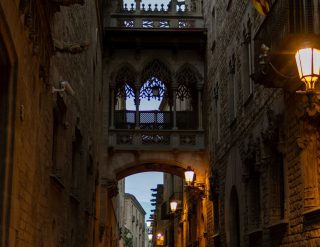
- Pont del Bisbe (Bishop's Bridge): A photogenic neo-Gothic bridge that's one of the Gothic Quarter's most iconic snapshots.
- Plaça de Sant Felip Neri: A small, atmospheric square with a quiet, reflective mood and striking stonework.
- Museu d'Història de Barcelona (MUHBA): Excellent for seeing Roman-era Barcelona remains and learning the city's early story.
- Santa Maria del Mar: A beloved Gothic church in El Born with a different, more airy interior character than the cathedral.
The Cathedral of Barcelona appears in our Complete Guide to Visiting Barcelona!

Moira & Andy
Hey! We're Moira & Andy. From hiking the Camino to trips around Europe in Bert our campervan — we've been traveling together since retirement in 2020!
This website uses affiliate links which may earn a commission at no additional cost to you!
Planning Your Visit
Monday - Friday: 09:30-18:30.
Saturday: 09:30-17:15.
Sunday: 14:00-17:00.
Adults: €16; Students (up to 25): €14; Groups: €8; Visitors with disability (from 33%): free.
Nearby Attractions
- Casa de l'Ardiaca (0.0) km
Archive, Courtyard and Historic Building - Museu Frederic Marès (0.1) km
Historic Site, Museum and Sculpture - Plaça Nova (0.1) km
Square - Palau del Lloctinent (0.1) km
Archive, Historic Building and Palace - Pont del Bisbe (0.1) km
Attraction and Bridge - Mercat Gòtic (0.1) km
Attraction, Bazaar and Market - Temple d'August (0.1) km
Roman Site - Plaça del Rei (0.1) km
Square - Capella de Santa Àgueda (0.1) km
Church, Historic Building and Museum - COAC (Col·legi d’Arquitectes de Catalunya) (0.1) km
Arts Venue and Historic Building