Catalan Museum of Archaeology, Barcelona
Museum in Barcelona
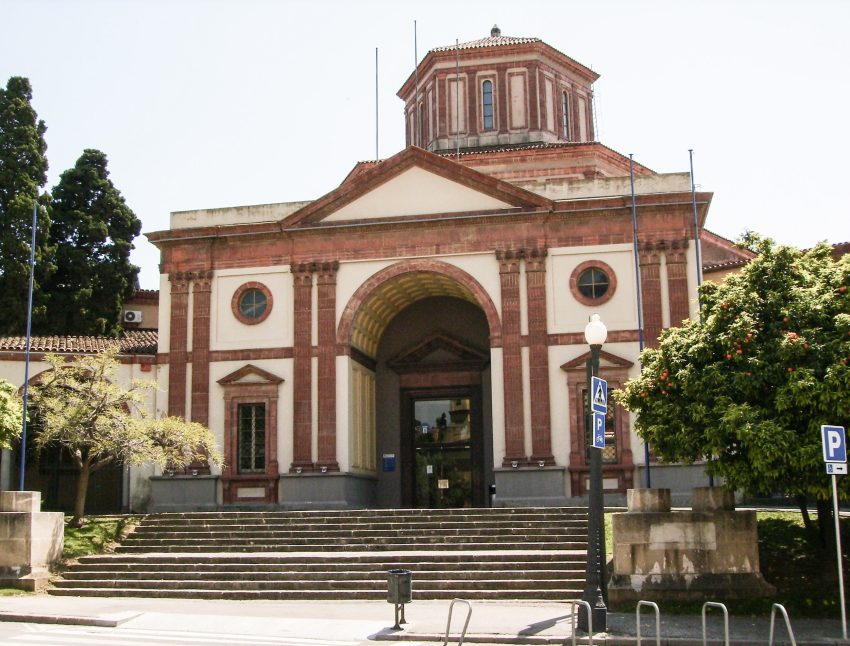
The Catalan Museum of Archaeology (Museu d'Arqueologia de Catalunya) is one of Barcelona's most rewarding under-the-radar museums, set on Montjuïc in the Sants-Montjuïc district. Inside, you'll find a well-curated sweep of Catalonia's past, from prehistoric tools and burial culture to Iberian, Greek, and Roman-era objects.
Because it sits among Montjuïc's parks and cultural landmarks, it's easy to combine with a scenic walking tour: start around Plaça d'Espanya, stroll up toward the MNAC terraces for panoramic views, then continue through the gardens to the museum for a quieter, more reflective stop away from the busiest city-center crowds.
Table of Contents
- History and Significance of the Catalan Museum of Archaeology
- Things to See and Do in the Catalan Museum of Archaeology
- How to Get to the Catalan Museum of Archaeology
- Practical Tips on Visiting the Catalan Museum of Archaeology
- Where to Stay Close to the Catalan Museum of Archaeology
- Is the Catalan Museum of Archaeology Worth Visiting?
- For Different Travelers
- FAQs for Visiting Catalan Museum of Archaeology
- Nearby Attractions to the Catalan Museum of Archaeology
History and Significance of the Catalan Museum of Archaeology
The museum's mission is to tell the long story of human life in Catalonia through objects: everyday tools, ritual items, inscriptions, and fragments that reveal how people worked, traded, worshipped, and built communities over thousands of years. It's a place where “big history” becomes tangible, because you're looking at the real materials that survived.
What makes the museum especially valuable in Barcelona is its regional focus. While the city is famous for modernism and medieval streets, this collection pulls you further back in time, helping you understand the deeper layers beneath Catalonia's towns, coastlines, and archaeological sites.
If you're visiting other Roman or ancient sites in Catalonia (or even planning a day trip to Tarragona), the museum works as a primer: it gives you the vocabulary and context to recognize styles, symbols, and daily-life details when you see ruins and mosaics elsewhere.
Things to See and Do in the Catalan Museum of Archaeology
Start with the prehistoric galleries to get a sense of how early communities lived, buried their dead, and shaped tools for survival. Even if you’re not an archaeology specialist, the museum’s best moments come from noticing how small changes in materials and craftsmanship reflect huge shifts in society.
Move into the Iberian and classical sections for a more “Mediterranean” feel: trade routes, imported influences, and the gradual rise of urban life. Many visitors highlight the breadth of the collection across multiple rooms, so it’s worth pacing yourself and treating it like a timeline you walk through.
Don’t skip the museum’s tech-enhanced elements when available (including immersive or VR-style experiences tied to Roman history). They can be a great bridge between artifacts in cases and the lived reality of ancient cities, especially if you’re traveling with someone who prefers interactive exhibits.
How to Get to the Catalan Museum of Archaeology
Barcelona–El Prat Airport (BCN) is the closest major airport, with Girona–Costa Brava Airport (GRO) and Reus Airport (REU) also serving some routes. For the best deals and a seamless booking experience, check out these flights to Barcelona on Booking.com.
If you're arriving by rail, Barcelona Sants is the main hub for high-speed and regional trains, and from there you can connect by Metro/bus/taxi toward Montjuïc and Plaça d'Espanya. Train schedules and bookings can be found on Omio..
By car, you can drive up toward Montjuïc and use nearby paid parking areas, but traffic and limited parking can make public transport or taxis simpler for most visitors. If you are looking to rent a car in Spain I recommend having a look at Discover Cars, first, as they compare prices and review multiple car rental agencies for you.
Practical Tips on Visiting the Catalan Museum of Archaeology
- Official website: https://www.macbarcelona.cat/
- Entrance fee: Adults: €7; Reduced: €5; Under 16: free.
- Opening hours: Tuesday – Saturday: 09:30–19:00. Sunday: 10:00–14:30. Closed on Monday.
- Best time to visit: Go on a weekday morning for the calmest galleries, or pair it with a Montjuïc viewpoint walk in late afternoon for a full half-day on the hill.
- How long to spend: Plan for 1.5–2.5 hours if you read labels and move steadily; add extra time if you linger in Roman-era sections or interactive exhibits.
- Accessibility: The museum is generally manageable for visitors with limited mobility, but Montjuïc’s slopes can add effort outdoors; consider a taxi drop-off to reduce uphill walking.
- Facilities: Expect standard museum basics like restrooms and information points; bring water if you’re combining it with a longer Montjuïc walk between attractions.
Where to Stay Close to the Catalan Museum of Archaeology
The best area to base yourself is around Plaça d'Espanya and Poble-sec for quick access to Montjuïc plus easy connections to the rest of Barcelona.
InterContinental Barcelona A polished, comfortable choice near the Montjuïc museums, ideal if you want a high-end base with easy taxi access and a quieter night's sleep than the Gothic Quarter.
Hotel Brummell A stylish boutique option in Poble-sec that feels local and design-forward, great for travelers who want cafés, small bars, and a neighborhood vibe after museum time.
INNSiDE by Meliá Barcelona Apolo Well-placed for transport and quick hops to Montjuïc, with a modern feel that suits short stays and busy sightseeing schedules.
Occidental Barcelona 1929 A practical, comfortable pick near Plaça d’Espanya that balances price and convenience, especially if you’re planning to crisscross the city by Metro.
Hotel Concordia Barcelona A solid mid-range base close to Poble-sec dining and Montjuïc access, chosen for straightforward comfort and a location that makes logistics easy.
Is the Catalan Museum of Archaeology Worth Visiting?
Yes, especially if you want a quieter, content-rich museum that adds depth to your Barcelona trip beyond architecture and beaches. It's well-priced, easy to combine with Montjuïc's viewpoints and nearby museums, and the collection has enough variety to keep both casual visitors and history lovers engaged.
Honest Pivot: If you're short on time and mainly want “iconic Barcelona” highlights, you might prefer to prioritize Gaudí sites, the Gothic Quarter, or a single blockbuster museum. Also, if you rely heavily on English-language labels for detailed learning, you may find some sections less satisfying without using an audio guide or translation support.
What Other Travellers Say...

Travelers rate the museum very highly overall, praising the wide-ranging collection from prehistory through Roman times and the fact that there’s plenty to explore across multiple rooms. Visitors also highlight interactive/tech elements (including immersive experiences) and say the ticket price feels like good value. The most common drawbacks are limited English explanations in some sections and occasional friction at entry even with online tickets, plus some comments about customer service.


For Different Travelers
The Catalan Museum of Archaeology fits neatly into a Montjuïc day, which makes it flexible: you can treat it as a main event for history, or as a calm cultural stop between viewpoints, gardens, and bigger institutions.
Families with Kids
For kids who like “real objects,” the museum can be a win: tools, tomb models, and ancient everyday items are easier to grasp than abstract art. Plan a simple scavenger-hunt style visit (find an animal motif, a tool, a burial object) to keep attention high.
If your family prefers interactive experiences, time your visit to coincide with any immersive/VR-style elements or family programming. Keep the pace brisk and build in a playground or open-space break on Montjuïc afterward.
Couples & Romantic Getaways
This is a great couples’ museum because it’s calmer than many central attractions and pairs beautifully with a scenic walk. Do the museum first, then head to nearby terraces and gardens for photos and a relaxed, unhurried afternoon.
If you like travel that feels “shared and thoughtful,” archaeology museums spark great conversations: what surprised you, what you’d keep, what you’d build. Finish with tapas in Poble-sec for an easy date-night flow.
Budget Travelers
With a relatively low ticket price and a location that’s walkable from other Montjuïc sights, the museum is a strong value. You can build a full day around free viewpoints, parks, and a single paid museum stop.
To stretch your budget further, consider visiting on free-entry times if they align with your schedule, and bring a refillable water bottle since Montjuïc walking can add up.
History Buffs
If you care about timelines, cultural layers, and material evidence, this museum is absolutely worth it. It's one of the best places in Barcelona to understand how Iberian and Roman worlds shaped the region long before the medieval city took form.
Use the visit to plan your next steps: day trips to Roman Tarragona, coastal sites, or other Catalan heritage spots become far more meaningful once you've seen the artifacts and learned the patterns behind them.
FAQs for Visiting Catalan Museum of Archaeology
Getting There
Tickets & Entry
Visiting Experience
Tours, Context & Itineraries
Photography
Accessibility & Facilities
Food & Breaks Nearby
Safety & Timing
Nearby Attractions to the Catalan Museum of Archaeology
- MNAC (Museu Nacional d'Art de Catalunya): A major art museum with one of Barcelona's best terrace views over Plaça d'Espanya.
- Magic Fountain of Montjuïc: A popular evening stop for light-and-water shows when operating.
- Poble-sec: A lively neighborhood for tapas, casual bars, and a more local Barcelona feel.
- Montjuïc Gardens and viewpoints: Scenic paths and lookout points that make the hill worth exploring on foot.
- CaixaForum Barcelona: A cultural center with rotating exhibitions in a striking modernist-industrial building.
The Catalan Museum of Archaeology appears in our Complete Guide to Visiting Barcelona!

Moira & Andy
Hey! We're Moira & Andy. From hiking the Camino to trips around Europe in Bert our campervan — we've been traveling together since retirement in 2020!
This website uses affiliate links which may earn a commission at no additional cost to you!
Planning Your Visit
Tuesday - Saturday: 09:30-19:00.
Sunday: 10:00-14:30.
Closed on Monday.
Adults: €7; Reduced: €5; Under 16: free.
Nearby Attractions
- Consorci Mercat de les Flors - Centre de les Arts en Moviment (0.1) km
Arts Venue and Theatre - Teatre Grec (0.2) km
Theatre - Museu Etnològic de Barcelona (0.2) km
Attraction and Museum - Fundació Joan Miró (0.3) km
Arts Venue, Gallery and Museum - Museu Nacional d'Art de Catalunya (0.4) km
Historic Building, Museum and Viewing Point - Palauet Albéniz (0.4) km
Palace - Museu Olímpic i de l'Esport Joan Antoni Samaranch (0.4) km
Museum - Lluís Companys Olympic Stadium (0.5) km
Attraction, Historic Site and Notable Building - Palau de Congressos de Barcelona (0.6) km
Attraction, Historic Building and Notable Building - Mies van der Rohe Pavilion (0.6) km
Historic Building