Castelvecchio Museum, Verona
Castle and Museum in Verona

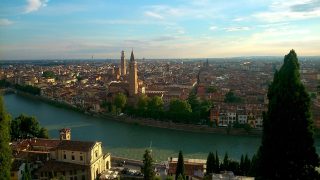
Castelvecchio Museum is a medieval fortress on the banks of the River Adige, built in 1354 for the Scaliger dynasty and later transformed into Verona's flagship civic museum. From the outside, it reads as pure military power-red-brick walls, crenellations, and a commanding riverside position-yet inside it unfolds as a carefully curated journey through sculpture, paintings, and objects that tell Verona's story across centuries.
It's one of the top attractions in Verona because you get two experiences in one: the atmosphere of a fortified castle and a museum that makes art feel close and human rather than distant. It also fits naturally into a walking tour of Verona, since you can come here early for calmer galleries, then step straight back into the historic centre with a clearer sense of how Verona's politics, patronage, and craftsmanship shaped the city you're wandering through.
Table of Contents
- History and Significance of the Castelvecchio Museum
- Things to See and Do in the Castelvecchio Museum
- How to Get to the Castelvecchio Museum
- Practical Tips on Visiting the Castelvecchio Museum
- Where to Stay Close to the Castelvecchio Museum
- Is the Castelvecchio Museum Worth Visiting?
- For Different Travelers
- FAQs for Visiting Castelvecchio Museum
- Nearby Attractions to the Castelvecchio Museum
History and Significance of the Castelvecchio Museum
Castelvecchio was raised at a tense moment for the Scaliger rulers, when control of Verona depended on strong fortifications and rapid access across the river. The castle's location on the Adige was strategic: it defended the city's edge, controlled river movement, and offered a secure stronghold that could be supplied and reinforced quickly.
Over time, the fortress shifted from military necessity to civic symbol, and its conversion into a museum reframed the site as a public space for memory and culture. That evolution matters when you visit, because the building itself is part of the collection-every passage, stair, and viewpoint reinforces the sense that Verona’s history is layered, contested, and always shaped by geography.
One of the most distinctive elements of the modern experience is the museum’s design approach, which emphasizes sightlines, thresholds, and deliberate pacing. The result is a visit where the castle never feels like a mere container for art; it becomes the narrative frame, constantly reminding you that these works were created in a world where power and protection were not abstract ideas.
Things to See and Do in the Castelvecchio Museum
Start by letting the building lead you. The museum route moves through courtyards, towers, and galleries in a way that keeps pulling you back to the fortress structure-windows framing the river, stone corridors that feel defensive, and sudden openings where you can orient yourself with the city outside.
Inside the collection, the highlights are the medieval and Renaissance works, where Verona’s artistic identity becomes tangible: carved stone and wood, expressive altarpieces, and paintings that capture the transition from sacred intensity to Renaissance realism. Even if you don’t know the names, the storytelling is visual-faces, fabrics, and gestures that feel surprisingly immediate.
Do not skip the outdoor moments. The walls and walkways deliver some of the most satisfying “Verona from above” viewpoints in the centre, and the river setting adds a calm counterpoint to the city's busier squares. If you want a simple structure, plan for galleries first, then finish with a slow loop of the ramparts and river-facing angles so the visit ends on air and views.
How to Get to the Castelvecchio Museum
The nearest airport is Verona Villafranca Airport (VRN), with additional options via Bergamo (BGY) and Venice Marco Polo (VCE) if you are combining cities. For the best deals and a seamless booking experience, check out these flights to Verona on Booking.com. From VRN, the simplest plan is a bus or taxi into central Verona, then a short walk to Corso Castelvecchio.
Verona Porta Nuova is the main station for most arrivals, and from there you can walk to Castelvecchio in around 15-20 minutes or take a short bus hop toward the centre. Use Omnio to easily compare schedules, book train tickets, and find the best prices all in one place for a hassle-free journey across Italy. If you are staying in the historic core, the museum is easy to reach on foot as part of a loop that also includes the Arena area.
City buses stop near the central streets around Castelvecchio, which is useful if you are arriving from farther neighborhoods or prefer to save steps in summer heat.
If you are traveling by car, aim for a central car park near the historic centre and walk the final stretch, since the core can involve restricted traffic zones and the museum approach is easiest on foot. If you are looking to rent a car in Italy I recommend having a look at Discover Cars, first, as they compare prices and review multiple car rental agencies for you.
Practical Tips on Visiting the Castelvecchio Museum
- Entrance fee: €9 (standard reduced €6; ages 18–25 €2; under 18 free).
- Opening hours: Tuesday – Sunday: 10:00–18:00. Closed on Monday.
- Official website: https://museodicastelvecchio.comune.verona.it/
- Best time to visit: Go at opening time for quieter galleries and a smoother route through the castle spaces, then use the later part of the visit for walls and viewpoints.
- How long to spend: 1.5-2.5 hours works well for the museum plus ramparts, especially if you like pausing for views and reading the building as part of the story.
- Accessibility: Expect steps, uneven historic surfaces, and some narrow transitions typical of a fortress; plan a slower pace and focus on the most comfortable sections if mobility is limited.
- Facilities: Use the museum entry area for essentials, and plan a café stop nearby afterward rather than rushing the galleries with a tight food clock.
Where to Stay Close to the Castelvecchio Museum
For a culture-heavy itinerary, base yourself in Verona's Centro Storico near Piazza Bra and the Arena so you can walk to the main sights early and return between stops; if your priority is easy arrivals and day trips, staying near Verona Porta Nuova makes logistics simpler while keeping the centre within reach.
For an elegant, classic stay in the heart of the historic centre, Hotel Accademia is a strong base for walk-first days and quick access to Castelvecchio. If you want a central, comfortable option with a little extra “treat yourself” energy after sightseeing, Hotel Milano & SPA puts you close to the Arena area while staying very manageable for the museum. For a refined, contemporary pick in the same highly walkable zone, NH Collection Palazzo Verona works particularly well if you want a polished base for museum-and-monument days.
Is the Castelvecchio Museum Worth Visiting?
Yes, especially if you want one Verona stop that delivers both atmosphere and substance. The castle setting adds weight to the art, and the museum route gives you a confident, coherent view of Verona's medieval-to-Renaissance identity without feeling like an academic exercise.
It is also a smart counterbalance to Verona's headline romance. After balconies and piazzas, Castelvecchio grounds the city in power, engineering, and craft-then sends you back out with better context for everything you see next.
What Other Travellers Say...

Castelvecchio Museum on Corso Castelvecchio offers an extensive collection of paintings, sculptures, statues and ancient weapons housed throughout a restored medieval castle; visitors praise the atmospheric galleries, sweeping views from the ramparts and bridge over the Adige, photo‑friendly night lighting, and the chance to walk the walls and rafters, though the site is large and involves a fair amount of walking — many find the entry price good value and note free or validated access with the Verona guest card.


For Different Travelers
Families with Kids
For families, Castelvecchio works best when you treat it as a castle adventure with “art breaks,” not the other way around. Pick a few anchor moments-towers, courtyards, river views-then let kids dip into the galleries in short bursts rather than trying to do every room in order.
Build in a simple game: spot the armour and weapons, find the biggest stone blocks, or look for animals and symbols in paintings. The museum is much easier with children when the goal is discovery and movement, not quiet endurance.
Couples & Romantic Getaways
For couples, this is a satisfying change of tone from Verona's more overtly romantic stops. The fortress spaces feel dramatic and a little cinematic, and the river viewpoints give you a calmer, less performative kind of Verona moment.
A good rhythm is to visit in the late morning, then walk from Castelvecchio toward the Arena and into smaller lanes for lunch. The shift from castle stone to café life feels natural, and it keeps your day varied without complicated planning.
Budget Travelers
Budget travelers should prioritise Castelvecchio because it offers a lot of value in one ticket: a major museum collection plus a historic structure and viewpoints. It is also one of the easiest places to spend a full, rewarding couple of hours without relying on paid tours.
To stretch the day, pair it with a self-guided loop along the Adige afterward. The river walks are one of Verona’s best free experiences, and they complement the museum perfectly.
History Buffs
History buffs will appreciate Castelvecchio as a living document of the Scaliger era, where military architecture, urban control, and river geography all meet. The building explains itself: irregular defensive lines, controlled access, and elevated sightlines that reveal why this was a serious piece of medieval engineering.
Inside, focus on how the art reflects shifting power and taste, from devotional intensity to Renaissance confidence. The most rewarding visit is the one where you keep toggling between the objects and the fortress that protected the world they came from.
FAQs for Visiting Castelvecchio Museum
Getting There
Tickets & Entry
Visiting Experience
Tours, Context & Itineraries
Photography
Accessibility & Facilities
Food & Breaks Nearby
Safety & Timing
Nearby Attractions to the Castelvecchio Museum
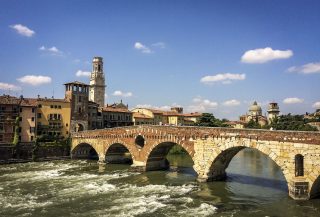
- Ponte Scaligero: A striking fortified bridge with some of the best river-and-castle photo angles in central Verona.
- Piazza Bra and the Arena di Verona: The city's grand front room, ideal for people-watching and Verona's most famous monument in one easy stop.
- Piazza delle Erbe: A lively historic square where market energy and ornate façades make Verona feel theatrical and lived-in.
- Casa di Giulietta: A quick, iconic visit that captures Verona's Romeo-and-Juliet mythology and the city's romantic branding.
- Basilica di San Zeno Maggiore: One of Verona’s most important churches, richly atmospheric and rewarding if you want a deeper medieval layer.
The Castelvecchio Museum appears in our Complete Guide to Visiting Verona!

Moira & Andy
Hey! We're Moira & Andy. From hiking the Camino to trips around Europe in Bert our campervan — we've been traveling together since retirement in 2020!
This website uses affiliate links which may earn a commission at no additional cost to you!
Planning Your Visit
Tuesday - Sunday: 10:00-18:00.
Closed on Monday.
€9 (standard reduced €6; ages 18-25 €2; under 18 free).
Nearby Attractions
- Ponte Scaligero (0.1) km
Bridge - Arco dei Gavi (0.1) km
- Piazza Brà (0.4) km
Square - Porta Borsari (0.5) km
Historic Building - Arena di Verona (0.5) km
Amphitheatre - Basilica of San Zeno Maggiore (0.7) km
Church - Piazza Delle Erbe (0.8) km
Square - Palazzo Miniscalchi (0.8) km
Museum - Torre dei Lamberti (0.9) km
Tower - Juliet's House (0.9) km
Historic Building