Castelo de Santo Antón, La Coruna
Castle, Historic Site and Museum in La Coruna
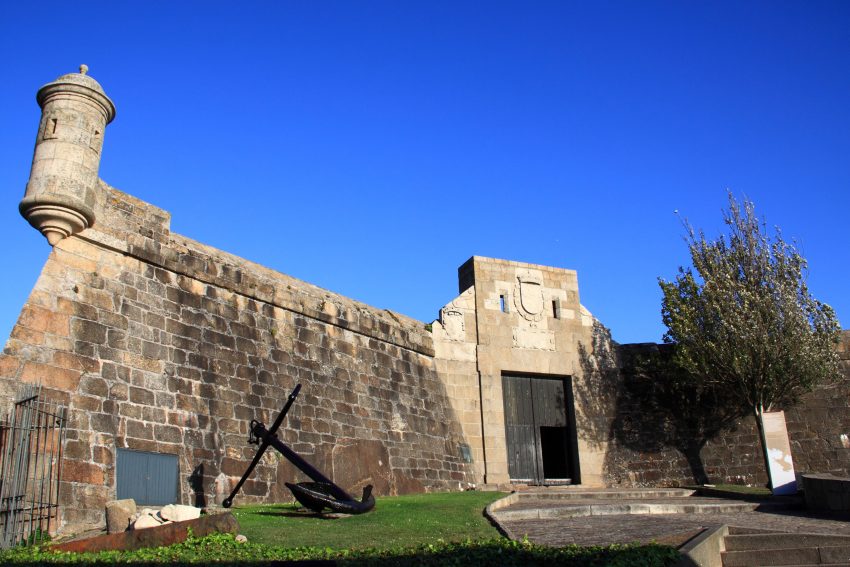
Castelo de Santo Antón sits right on the water along A Coruña's seafront promenade, a compact stone fortress that once guarded the harbor and now houses the city's Archaeology and History Museum. It's an easy, rewarding stop if you're exploring the coastline on foot, especially as part of a walking tour that links the marina, the old town edge, and the nearby Torre de Hércules area.
Inside, you’ll find a mix of atmospheric fortifications and curated museum rooms, and outside you get breezy views across the bay and port traffic. It’s one of those places where the setting does half the work: come for the sea air and skyline, then stay for the exhibits and the climb to the top.
Table of Contents
- History and Significance of the Castelo de Santo Antón
- Things to See and Do in the Castelo de Santo Antón
- How to Get to the Castelo de Santo Antón
- Practical Tips on Visiting the Castelo de Santo Antón
- Where to Stay Close to the Castelo de Santo Antón
- Is the Castelo de Santo Antón Worth Visiting?
- For Different Travelers
- FAQs for Visiting Castelo de Santo Antón
- Nearby Attractions to the Castelo de Santo Antón
History and Significance of the Castelo de Santo Antón
Built in the 16th century, Castelo de Santo Antón was designed as a defensive stronghold for A Coruña's strategically important port. Its position on the water made it ideal for controlling maritime access and protecting the city's trade routes.
Over the centuries, the fortress took on additional roles beyond defense, including periods of use as a prison and later as a quarantine facility (lazaretto) tied to the realities of seafaring life. Those layered functions give the building a distinctive character: it’s not just a “pretty castle,” but a working piece of coastal history.
Today, the site’s significance is twofold: it’s a landmark of A Coruña’s maritime past and a museum space that helps contextualize the region’s archaeology, from early cultures through later historical eras.
Things to See and Do in the Castelo de Santo Antón
Start with the fortifications themselves: the thick walls, passageways, and sea-facing viewpoints are the main attraction, and the climb rewards you with wide views over the bay. On clear days, it’s one of the best places in the city for photos that capture both water and skyline.
Then move through the museum galleries, which focus on local and regional archaeology and history. The collection is manageable rather than overwhelming, making it ideal if you want a cultural stop that still leaves time for a longer coastal walk.
Finally, pay attention to the way the building interacts with the sea. The castle’s waterside setting and tide-influenced areas make the visit feel uniquely “of the port,” not simply a museum placed in an old structure.
How to Get to the Castelo de Santo Antón
The nearest major airports are A Coruña Airport (LCG) for the quickest arrival, with Santiago de Compostela Airport (SCQ) offering more flight options and easy onward connections. For the best deals and a seamless booking experience, check out these flights to La Coruna on Booking.com.
A Coruña is well connected by rail within Galicia and to other Spanish cities, and from the main station you can continue by taxi, local bus, or a pleasant walk depending on where you're staying. Train schedules and bookings can be found on Omio.
If you’re driving, aim for parking near the marina or along the broader seafront areas and expect it to be competitive at peak times. If you are looking to rent a car in Spain I recommend having a look at Discover Cars, first, as they compare prices and review multiple car rental agencies for you.
Practical Tips on Visiting the Castelo de Santo Antón
- Official website: https://ticketing.coruna.gal/arq/visitsananton/
- Entrance fee: General admission: €2.06; Reduced: €1.03.
- Opening hours: (Summer) July – August: Tuesday – Saturday: 10:00–21:00; Sunday & public holidays: 10:00–15:00. Closed on Monday. (Winter) September – June: Tuesday – Saturday: 10:00–19:30; Sunday & public holidays: 10:00–14:30. Closed on Monday.
- Best time to visit: Go earlier in the day for calmer galleries and clearer views, or late afternoon for softer light over the bay.
- How long to spend: Plan 60–90 minutes for the museum and viewpoints; add extra time if you like reading exhibit labels.
- Accessibility: Expect historic-site constraints such as steps and uneven surfaces; some areas may be harder to reach for visitors with limited mobility.
- Facilities: There are restrooms on-site, but plan to eat and drink before or after since options inside are limited.
Where to Stay Close to the Castelo de Santo Antón
Base yourself around the city center and marina area for the easiest walkable access to the castle, the old town edge, and the seafront promenade.
Melia Maria Pita A classic seafront pick with strong views and an ideal location for sunrise walks along the water before heading to the castle.
NH Collection A Coruña Finisterre A polished, full-service option close to the port area, great if you want comfort and amenities while staying near the maritime sights.
Eurostars Ciudad de La Coruña A quieter-feeling stay toward the coastal side, convenient for pairing the castle with longer promenade walks and viewpoints.
Hotel Riazor A practical, well-located choice near the beach and central areas, good for travelers who want easy transit and a straightforward base.
Hotel Zenit Coruña A solid mid-range hotel in a central position, handy for splitting time between the castle, shopping streets, and dining.
Is the Castelo de Santo Antón Worth Visiting?
Yes. It’s one of A Coruña’s most satisfying “small but memorable” attractions: a scenic fortress with real historical weight, a well-kept interior, and a museum that adds depth without demanding half a day.
Honest Pivot: If you're short on time and mainly want big-ticket icons, you might prioritize the Torre de Hércules and a long coastal walk instead. Also, if you dislike stairs or find compact museums underwhelming, the visit may feel more like a viewpoint stop than a must-see.
What Other Travellers Say...

Reviews are strongly positive overall, with visitors highlighting the well-maintained fortress, clean facilities, and a surprisingly engaging museum for the small ticket price. Many mention the panoramic bay views from the upper areas and enjoy the mix of history and artifacts. Common drawbacks include limited or no on-site food and drink options and the fact that parking nearby can be difficult at busy times.


For Different Travelers
Castelo de Santo Antón works well as a flexible stop: you can treat it as a quick scenic detour or a deeper museum visit. The key is matching your pace to what you enjoy most—views, history, or a bit of both.
Families with Kids
Kids often enjoy the “real castle” feel—thick walls, corridors, and the sense of being right above the sea. Keep the visit moving by alternating short museum sections with viewpoint breaks.
If you’re traveling with younger children, plan for hands-on energy: the site is best as a shorter visit paired with a promenade stroll. Bring water and a small snack for after, since you’ll likely want a break once you’re back outside.
Couples & Romantic Getaways
For couples, the castle is a scenic, low-effort outing with great photo spots and a breezy coastal atmosphere. It pairs nicely with a relaxed walk along the waterfront and a meal in the center afterward.
Aim for late afternoon if you want softer light and a calmer feel. The combination of sea views and historic stonework makes it feel more intimate than a larger, busier museum.
Budget Travelers
This is one of the best-value cultural stops in A Coruña: you get a museum, a historic site, and top-tier views for a modest ticket. It’s also easy to combine with free activities like the promenade and nearby viewpoints.
To keep costs down, build a DIY walking tour: start in the center, follow the waterfront to the castle, then continue toward other coastal landmarks. You'll get a full afternoon out with minimal spending.
History Buffs
History lovers will appreciate that the building itself tells a story of coastal defense and the realities of port life. Look for details that reveal how the fortress functioned, not just how it looks.
The museum element adds context through regional archaeology and artifacts, making the visit more than a quick “castle photo.” If you enjoy layered sites—defense, prison history, and later civic use—this one delivers.
FAQs for Visiting Castelo de Santo Antón
Getting There
Tickets & Entry
Visiting Experience
Tours, Context & Itineraries
Photography
Accessibility & Facilities
Food & Breaks Nearby
Safety & Timing
Nearby Attractions to the Castelo de Santo Antón
- Marina da Coruña: A lively harbor area that's perfect for a pre- or post-visit stroll with boats and waterfront cafés.
- Cidade Vella (Old Town): Historic streets and small squares that add context to A Coruña's maritime past.
- Praza de María Pita: The city's main square, great for architecture, people-watching, and an easy central waypoint.
- Paseo Marítimo: The long coastal promenade that links many of the city's best viewpoints and seaside stops.
- Torre de Hércules: A Coruña's iconic lighthouse landmark, ideal to combine with the castle as part of a coastal itinerary.
The Castelo de Santo Antón appears in our Complete Guide to Visiting La Coruna!

Moira & Andy
Hey! We're Moira & Andy. From hiking the Camino to trips around Europe in Bert our campervan — we've been traveling together since retirement in 2020!
This website uses affiliate links which may earn a commission at no additional cost to you!
Planning Your Visit
(Summer) July - August: Tuesday - Saturday: 10:00-21:00; Sunday & public holidays: 10:00-15:00. Closed on Monday.
(Winter) September - June: Tuesday - Saturday: 10:00-19:30; Sunday & public holidays: 10:00-14:30. Closed on Monday.
General admission: €2.06; Reduced: €1.03.
Nearby Attractions
- Ruins of the Convent of Saint Francis (0.3) km
Convent, Historic Site and Ruins - Museo Histórico Militar (0.4) km
Attraction, Historic Site and Museum - Pazo da Capitanía (0.5) km
Historic Building and Museum - Colexiata de Santa María do Campo (0.6) km
Church, Historic Building and Historic Site - Coruña City Hall (0.8) km
Attraction, Historic Building and Town Hall - Praza de María Pita (0.8) km
Area, Attraction and Square - Cruise Terminal (0.8) km
Docks, Pier and Port - Church of St. George (0.9) km
Church, Historic Building and Religious Building - Avenida da Mariña (0.9) km
Area, Promenade and Street - Teatro Rosalía de Castro (0.9) km
Arts Venue, Historic Building and Theatre