Casa Museu Castellarnau, Tarragona
Historic Building, Historic Room and Museum in Tarragona

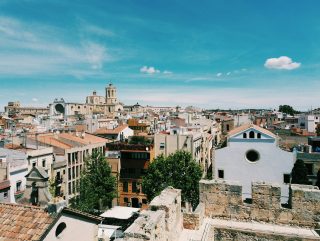
Casa Museu Castellarnau is a historic house-museum tucked into Tarragona's atmospheric old town, where narrow medieval streets open onto elegant interiors, a quiet patio, and rooms dressed with centuries-old furniture. It's the kind of place that feels like a lived-in time capsule rather than a “big museum,” making it an easy add-on between Tarragona's Roman highlights.
It sits on Carrer dels Cavallers, a great stretch to include on a self-guided walking tour that links the Cathedral area with other heritage stops nearby. If you're deciding what to prioritize, pair this visit with the Roman Circus/Praetorian complex and a wander through the old quarter's lanes for the best sense of Tarragona's layered history.
Table of Contents
- History and Significance of the Casa Museu Castellarnau
- Things to See and Do in the Casa Museu Castellarnau
- How to Get to the Casa Museu Castellarnau
- Practical Tips on Visiting the Casa Museu Castellarnau
- Where to Stay Close to the Casa Museu Castellarnau
- Is the Casa Museu Castellarnau Worth Visiting?
- For Different Travelers
- FAQs for Visiting Casa Museu Castellarnau
- Nearby Attractions to the Casa Museu Castellarnau
History and Significance of the Casa Museu Castellarnau
Casa Castellarnau was built in the early 15th century and, for centuries afterward, served as the residence of influential local families. Its long life as a prestigious home is part of what makes the visit compelling: you're not just seeing objects in cases, you're moving through a building that has continuously adapted to new tastes and eras.
One of the most famous historical notes tied to the house is its connection to Emperor Charles I, who stayed here during his visit to Tarragona in 1542. That single detail helps place the home within the broader political and social networks of its time, when Tarragona's elite households could host figures of real power.
Architecturally, the house preserves elements from multiple periods, including Gothic features at ground level and later transformations that reshaped the façade and internal layout. Upstairs, the noble floor is known for its 18th–19th century rooms, while the building as a whole reflects how a medieval core could evolve into a refined urban residence.
Things to See and Do in the Casa Museu Castellarnau
Start by taking in the building itself: look for the Gothic arches and the sense of vertical progression as you move from the more functional lower spaces to the more formal rooms above. The interior patio is a highlight for many visitors, offering a calm pause from the bustle of the old town streets.
Upstairs, the period rooms and decorative details are the stars. Travelers often single out the chandeliers, the tile floors, and the overall “set up” of the house, which makes it easy to imagine daily life across different centuries. If you enjoy interiors, take your time comparing room styles and how the décor shifts from one space to the next.
If you like context, treat this as a “small, characterful” museum rather than a deeply interpretive one. Some visitors love the atmosphere and objects, while others wish for clearer storytelling and labeling—so going in with the right expectations makes a big difference.
How to Get to the Casa Museu Castellarnau
For flights, the most convenient gateways are Reus Airport (closest) and Barcelona El Prat for the widest range of international routes. For the best deals and a seamless booking experience, check out these flights to Tarragona on Booking.com.
Tarragona is well connected by rail, and arriving by train is often the simplest option if you're coming from Barcelona or other Catalan cities; from Tarragona station you can continue on foot, by taxi, or by local bus toward the old town. Train schedules and bookings can be found on Omio.
If you’re driving, aim for public parking on the edge of the historic center and walk in, since the old town streets are narrow and access can be limited. If you are looking to rent a car in Spain I recommend having a look at Discover Cars, first, as they compare prices and review multiple car rental agencies for you.
Practical Tips on Visiting the Casa Museu Castellarnau
- Official website: https://www.tarragona.cat/patrimoni/museu-historia/monuments/casa-castellarnau
- Entrance fee: Check official website.
- Opening hours: Temporarily closed for restoration.
- Best time to visit: Go earlier in the day for a quieter experience and better light in the rooms, then continue your walk toward the Cathedral and nearby Roman sites.
- How long to spend: Plan for 45–75 minutes for a relaxed visit, longer if you like photographing interiors and reading any on-site notes.
- Accessibility: Expect stairs and historic thresholds typical of an old townhouse; if step-free access is important, confirm current arrangements before you go.
- Facilities: There are restrooms on site, but as in many historic buildings they can be in lower levels and may feel less ventilated; bring water, as the visit is mostly indoors.
Where to Stay Close to the Casa Museu Castellarnau
The best area to base yourself is Tarragona’s historic center if you want to walk everywhere and soak up the old-town atmosphere day and night.
For a classic, central stay with a polished feel, consider a well-located option that makes it easy to pop back for a break between sights like the Cathedral, Roman remains, and the house-museum. If you prefer sea views and a resort-like vibe, the waterfront zone is a strong alternative, especially in warmer months.
H10 Imperial Tarraco Chosen for its prime position by the old town and its upscale comfort, ideal if you want a “treat yourself” base near major sights.
Hotel Astari A practical pick with an easy walk into the center, often appreciated by travelers who want value plus a straightforward, comfortable stay.
Hotel SB Ciutat Tarragona Great for transport convenience and a more modern city-hotel setup, especially if you’re arriving by train or planning day trips.
AC Hotel Tarragona by Marriott A reliable option for a contemporary feel and consistent standards, handy for business-style comfort while still close to the action.
Hotel Lauria Ideal if you want to be on Tarragona’s main boulevard for shopping, cafés, and an easy stroll up into the old town.
Is the Casa Museu Castellarnau Worth Visiting?
Yes—if you enjoy historic interiors, atmospheric houses, and the feeling of stepping into a preserved urban residence, Casa Museu Castellarnau is a rewarding stop that complements Tarragona's Roman “big hitters.” It's especially satisfying as part of a walking route through the old town, where the building's layers make sense in context.
Honest Pivot: if you prefer museums with strong interpretation, detailed labels, and a clear narrative thread, you may find the experience a bit puzzling or “object-focused.” In that case, prioritize Tarragona’s major Roman sites first and only add this if you have extra time or a house-museum is specifically your thing.
What Other Travellers Say...

Google reviewers rate Casa Museu Castellarnau very highly overall, describing it as a beautiful, well-preserved house-museum that's easy to add to a Tarragona sightseeing day. Common highlights include the elegant furnished rooms, striking chandeliers, attractive tile floors, and the calm interior patio, with several visitors also noting friendly, helpful staff. A recurring downside is that some travelers want clearer interpretation—more labeling and a stronger narrative to connect the objects—plus occasional mentions of less pleasant restroom conditions.


For Different Travelers
Different travelers get different value here: some come for the architecture and décor, others for a quick cultural stop between larger monuments. Thinking about your travel style will help you decide whether to make it a must-do or a “nice if nearby.”
Families with Kids
For families, the house-museum can work best as a shorter visit with a simple scavenger-hunt approach: chandeliers, tiled floors, a patio, and “spot the fanciest room.” Keeping the pace brisk helps younger kids stay engaged.
If your kids are more into big ruins and open spaces, pair this with outdoor Roman sites the same day so the itinerary feels balanced. It’s a good rainy-day option when you want something indoors that still feels special.
Couples & Romantic Getaways
Couples often enjoy the quiet, intimate feel—especially the patio and the elegant upstairs rooms. It’s a calm contrast to the more dramatic Roman monuments and makes for a slower, more atmospheric hour in the old town.
Plan it as part of a stroll: house-museum first, then a café stop nearby, then sunset viewpoints or a walk along the Rambla. It’s a good “shared discovery” stop that doesn’t require a big time commitment.
Budget Travelers
Budget travelers will like that it’s typically a modestly priced attraction and can be bundled with other sites, making it easier to build a full day of sightseeing without overspending. It also fits well into a walking itinerary, keeping transport costs low.
If you’re watching every euro, decide based on your interests: interiors and decorative arts are the main draw. If you’re more focused on Tarragona’s headline Roman remains, you can skip this without feeling like you missed the city’s essentials.
History Buffs
History lovers will appreciate how the building itself tells a long story—from medieval origins to later renovations—plus its association with major historical figures. The mix of architectural elements across centuries is part of the appeal.
To get the most out of it, visit with Tarragona's broader timeline in mind: Roman Tarragona, medieval defenses, and early modern elite life all overlap in the old town. This house-museum is a compact way to feel that layering in one place.
FAQs for Visiting Casa Museu Castellarnau
Getting There
Tickets & Entry
Visiting Experience
Tours, Context & Itineraries
Photography
Accessibility & Facilities
Food & Breaks Nearby
Safety & Timing
Nearby Attractions to the Casa Museu Castellarnau
- Tarragona Cathedral: A landmark of the old town with impressive architecture and a richly layered history.
- Roman Circus (Circ Romà): One of Tarragona's standout Roman remains, with atmospheric passages and viewpoints.
- Praetorian Tower (Pretori): A dramatic structure linking Roman-era spaces with excellent perspectives over the city.
- Volta del Pallol: A historic vaulted space often used for interpretation and exhibitions tied to Tarragona’s heritage.
- Tarragona Amphitheatre: The iconic seaside Roman amphitheatre, best visited for its setting and scale.
The Casa Museu Castellarnau appears in our Complete Guide to Visiting Tarragona!

Moira & Andy
Hey! We're Moira & Andy. From hiking the Camino to trips around Europe in Bert our campervan — we've been traveling together since retirement in 2020!
This website uses affiliate links which may earn a commission at no additional cost to you!
Planning Your Visit
Temporarily closed for restoration.
Check official website.
Nearby Attractions
- Maqueta de la ciutat romana de Tarraco (0) km
Attraction and Roman Site - Plaça dels Sedassos (0.1) km
Attraction, Sculpture and Square - Muralla Romana de Tarragona (0.1) km
City Walls, Historic Site and Roman Site - Plaça de la Font (0.1) km
Area, Attraction and Square - Tarragona City Hall (0.1) km
Town Hall - Catedral de Tarragona (0.2) km
Cathedral, Historic Site and Religious Building - Circ Roma (0.3) km
Historic Site, Roman Site and Ruins - Torre del Pretori o Castell del Rei (0.3) km
Castle, Roman Site and Tower - Forum Square (0.3) km
Roman Site, Ruins and Square - Ca la Garsa (0.3) km
Historic Building, Historic Site and Ruins