Carrer de la Plata, 4
Historic Site and Street in Barcelona
Carrer de la Plata, 4 is a small, easy-to-miss address in the Ribera side of the old city, but it carries one of the most tangible “young Picasso” stories in Barcelona. This is the site associated with his first proper workshop in the city-less a monument and more a real street corner where you can picture a teenager going to work, day after day, in a cramped, practical space.
The reason it matters is what it represents in Picasso's timeline. After his painting The First Communion was warmly received at the Third Exhibition of Arts and Artistic Industries in Barcelona in 1896, Picasso's father decided he was ready for a dedicated workspace and rented him a workshop here, close to the family home on La Mercè Street. That simple decision-giving a 15- or 16-year-old his own place to paint-marks a shift from “promising student” to “serious young artist with momentum.”
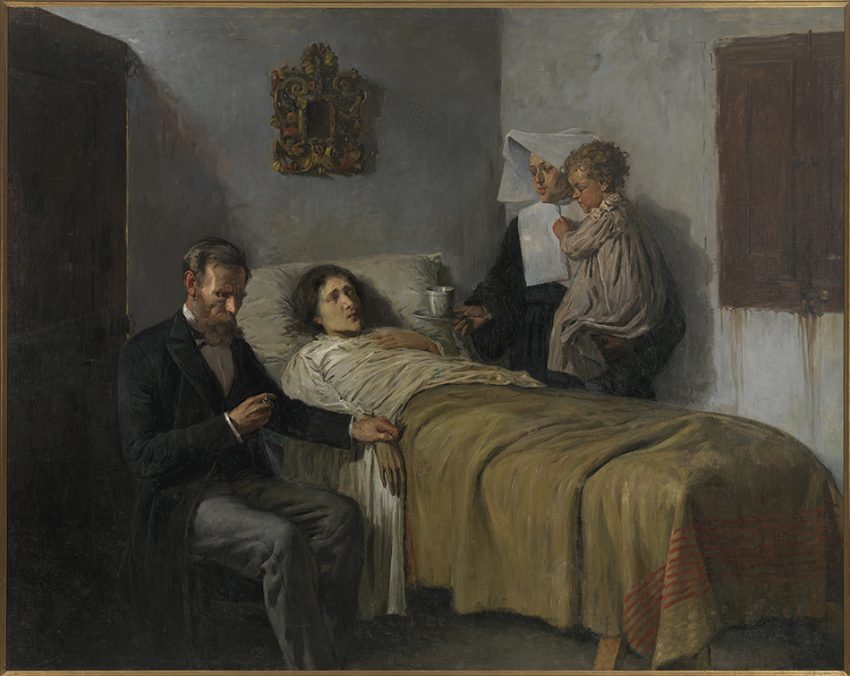
It was in this modest studio that Picasso produced major early works, including Science and Charity, a highly realistic painting that staged his sister Lola as the sick patient in bed and his father as the attending doctor. The fact that this kind of academically convincing painting went on to win a prize at an exhibition in Madrid (beating older, established artists) helps you understand what Barcelona was nurturing at street level: not the mythic, later Picasso yet, but a teenage virtuoso mastering realism with startling confidence.
Table of Contents
- History and Significance of the Carrer de la Plata, 4
- Things to See and Do in the Carrer de la Plata, 4
- How to Get to the Carrer de la Plata, 4
- Practical Tips on Visiting the Carrer de la Plata, 4
- Where to Stay Close to the Carrer de la Plata, 4
- Is the Carrer de la Plata, 4 Worth Visiting?
- For Different Travelers
- FAQs for Visiting Carrer de la Plata, 4
- Nearby Attractions to the Carrer de la Plata, 4
History and Significance of the Carrer de la Plata, 4
Carrer de la Plata, 4 is most significant because it pins Picasso's early Barcelona years to an exact, walkable point on the map. In biographies, it's easy for his adolescence to blur into a general “training period,” but this address makes it concrete: a rented workshop secured by his father after a public success, in a neighborhood close to the port and the lived-in fabric of the old city.
What makes the site compelling is how normal it feels. The surrounding streets are narrow and practical, the façades feel like everyday Barcelona rather than a curated museum quarter, and that ordinariness is the point. Picasso's early breakthroughs didn't begin in a grand atelier; they began in rooms like this, inside a dense, noisy city where the walk between home, studio, and cafés was measured in minutes.
It also helps frame Barcelona as an active participant in Picasso's story. The city didn't just “host” him-it provided institutions, exhibitions, and a local art world that could reward a young painter's ambition quickly. Standing here, you're essentially at a coordinate where Barcelona's cultural ecosystem met raw talent and decided to invest in it.
Things to See and Do in the Carrer de la Plata, 4
Treat this as a short, high-meaning stop. Walk in slowly, look up at the building line, and try to imagine the rhythm of a teenage Picasso arriving to paint-light changing across the street, voices in the lane, the constant sense of a working neighborhood outside the door. It’s not about entering a famous interior; it’s about letting the streetscape do the storytelling.
Then use it as a narrative anchor for your day. If you're following a Picasso-themed route, this stop works as the “origin scene” before you move on to places that explain his public world-galleries, cafés, and finally the Museu Picasso where you can connect the street-level reality to the work on the walls. It's especially effective on a self-guided Picasso walking tour because the distances are short and the story unfolds naturally as you move.
Finally, note what the address has become now: the former workshop location is today the Serras Hotel, a luxury boutique property that explicitly nods to its Picasso connection with a Picasso Suite. Even if you don't go inside, that transformation is part of the modern story-Barcelona continuously repackages its cultural history, and Picasso's teenage studio has shifted from humble workspace to heritage-laced hospitality.
How to Get to the Carrer de la Plata, 4
Barcelona-El Prat Airport (BCN) is the main international gateway, with Girona-Costa Brava (GRO) and Reus (REU) sometimes useful for low-cost routes depending on season and schedules. For the best deals and a seamless booking experience, check out these flights to Barcelona on Booking.com.
If you're arriving by rail, Barcelona Sants is the primary hub for AVE high-speed services and long-distance trains, with frequent onward connections into the city by Metro and taxi. Train schedules and bookings can be found on Omio..
Driving into central Barcelona is rarely the easiest option because of traffic, limited parking, and restricted zones; if you do come by car, plan to park in a paid garage outside the tightest old-town lanes and walk the final stretch. If you are looking to rent a car in Spain I recommend having a look at Discover Cars, first, as they compare prices and review multiple car rental agencies for you.
Practical Tips on Visiting the Carrer de la Plata, 4
- Entrance fee: Free.
- Opening hours: 24 Hours.
- Best time to visit: Go in the morning for calmer streets and softer light, or early evening when the quarter feels lively but not yet at its noisiest.
- How long to spend: Plan 10-20 minutes for the address itself, then at least an extra hour to enjoy the surrounding Gothic Quarter lanes at an unhurried pace.
- Accessibility: Expect narrow sidewalks and uneven paving typical of the old town; step-free routes exist in the wider area, but the immediate lanes can be tight.
- Facilities: There are no dedicated visitor facilities at the address, so plan for nearby cafés and public restrooms in larger attractions or restaurants in the area.
Where to Stay Close to the Carrer de la Plata, 4
Base yourself in the Gothic Quarter or the adjacent El Born area for the easiest walking access to this address and many of Barcelona's classic sights.
Serras Barcelona Chosen for its boutique-luxury feel near the waterfront and an easy walk into the Gothic Quarter lanes.
Hotel Neri Relais & Châteaux A standout for atmosphere and design in the heart of the old town, ideal if you want to step outside straight into historic streets.
H10 Madison Included for its polished comfort and rooftop appeal, with a location that makes early-morning exploring simple.
Catalonia Catedral A practical pick for central convenience, especially if you want a reliable, well-located base near major Gothic Quarter landmarks.
K+K Hotel Picasso Great for travelers who want El Born’s dining scene and a straightforward walk to both the old quarter and the park/museum cluster.
Is the Carrer de la Plata, 4 Worth Visiting?
Yes-if you enjoy travel that connects small, real places to big stories. Carrer de la Plata, 4 is a quick stop, but it adds a satisfying layer to a Gothic Quarter walk, especially for anyone curious about Picasso's early Barcelona years.
Honest Pivot: if you prefer attractions with interiors, exhibits, or clear “things to do,” you may find this underwhelming on its own. In that case, skip the standalone detour and focus on nearby museums and major landmarks, using this address only if it naturally falls on your route.
For Different Travelers
Carrer de la Plata, 4 works best as a flexible, low-effort stop you can weave into a wider day in Ciutat Vella. Think of it as a story-rich coordinate rather than a ticketed attraction.
Families with Kids
For families, this stop is easiest when framed as a quick “treasure hunt” moment: find the street, find the number, and take a photo. Keeping it short helps kids stay engaged.
Pair it with nearby open spaces or more interactive visits afterward, so the day doesn’t become a string of “look but don’t touch” moments. A snack break shortly after also helps.
Couples & Romantic Getaways
Couples will like this as part of a slow wander through the Gothic Quarter’s most atmospheric lanes. It’s a small stop that encourages you to look up, slow down, and notice details.
Follow it with a relaxed drink or tapas nearby and you’ve got a simple, memorable micro-itinerary: history underfoot, then a cozy table and people-watching.
Budget Travelers
Budget travelers can appreciate that this is essentially a free, walk-by point of interest that still feels meaningful. It’s ideal for building a day around walking rather than paid admissions.
Use it as a connector between bigger free experiences: neighborhood wandering, street photography, and scenic routes toward the waterfront.
History Buffs
History-minded travelers will enjoy how this address anchors a specific moment in Barcelona’s cultural timeline. It’s a reminder that history isn’t only in grand buildings-it’s also in ordinary streets.
To deepen the experience, connect the stop to a broader route through Ciutat Vella, noting how layers of Roman, medieval, and modern life overlap within a few blocks.
FAQs for Visiting Carrer de la Plata, 4
Getting There
Tickets & Entry
Visiting Experience
Tours, Context & Itineraries
Photography
Accessibility & Facilities
Food & Breaks Nearby
Safety & Timing
Nearby Attractions to the Carrer de la Plata, 4
- Barcelona Cathedral: A landmark Gothic cathedral with an atmospheric cloister and a lively square outside.
- Plaça Reial: A palm-lined plaza near La Rambla known for evening ambiance and classic Barcelona people-watching.
- La Rambla: The city's famous central promenade, best enjoyed as a connector rather than a single “must-stop” point.
- Port Vell: Barcelona's old harbor area, great for a waterfront stroll and views back toward Ciutat Vella.
- Picasso Museum (Museu Picasso): The essential stop for understanding Picasso's early years and artistic development in Barcelona.
The Carrer de la Plata, 4 appears in our Complete Guide to Visiting Barcelona!

Moira & Andy
Hey! We're Moira & Andy. From hiking the Camino to trips around Europe in Bert our campervan — we've been traveling together since retirement in 2020!
This website uses affiliate links which may earn a commission at no additional cost to you!
Planning Your Visit
24 Hours.
Free.
Nearby Attractions
- Pg. d'Isabel II, 4 (0.2) km
Area and Street - Carrer d'Avinyó, 44 (0.3) km
Area, Attraction and Street - Casa Llotja de Mar (0.3) km
Arts Venue, Historic Building and Historic Site - Plaça de Sant Just (0.4) km
Square - Basílica de Santa Maria del Mar (0.4) km
Basilica, Church and Historic Building - Palau Requesens (0.4) km
Arts Venue, Historic Building and Palace - Barcelona Roman Walls (0.4) km
City Walls and Roman Site - Plaça de Sant Jaume (0.4) km
Square - Museum of the History of Catalonia (0.4) km
Attraction and Museum - Palau de la Generalitat de Catalunya (0.4) km
Historic Building, Historic Site and Palace