Carmelite Church and Priory, Mdina
Church in Mdina
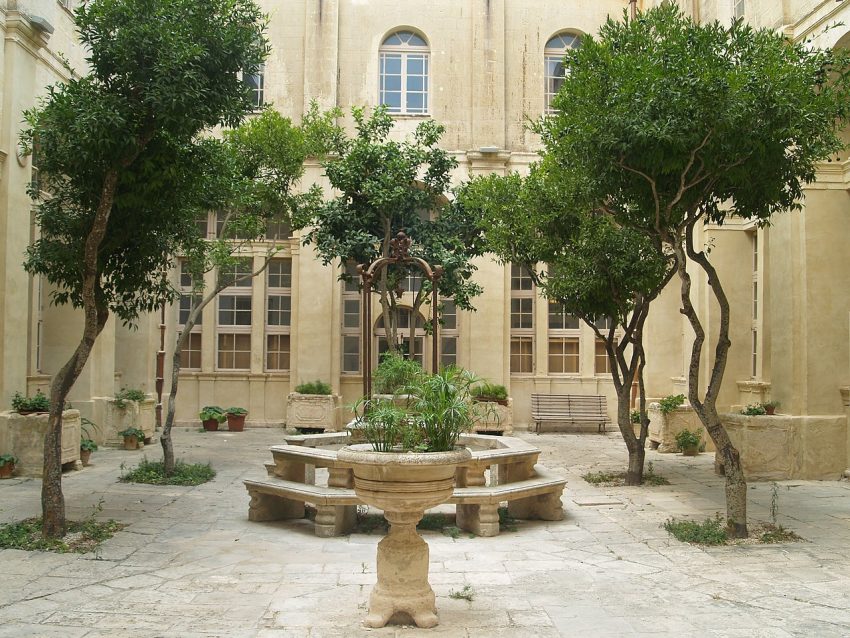
The Carmelite Church and Priory is one of the top attractions in Mdina if you are drawn to places where history, spirituality, and art weave together in a living, breathing space. In the middle of the Silent City's honey-coloured lanes, this 17th-century complex invites you to slow down, step inside, and experience the quiet rhythm of monastic life that still continues behind its thick limestone walls.
Beyond its role as a working monastery, the priory is also a cultural landmark, with a museum that showcases religious art, relics, and everyday objects that reveal centuries of Carmelite presence in Malta. This spot is a great place to visit on a walking tour of Mdina, especially if you want to move beyond façades and viewpoints and actually step into the spaces where friars have prayed, studied, and shared meals for generations.
Table of Contents
- History and Significance of the Carmelite Church and Priory
- Things to See and Do in the Carmelite Church and Priory
- How to Get to the Carmelite Church and Priory
- Practical Tips on Visiting the Carmelite Church and Priory
- Where to Stay close to the Carmelite Church and Priory
- Is the Carmelite Church and Priory Worth Visiting?
- FAQs for Visiting the Carmelite Church and Priory
- Nearby Attractions to the Carmelite Church and Priory
History and Significance of the Carmelite Church and Priory
Built between 1660 and 1675, the Carmelite Church marked a turning point in Maltese religious architecture by introducing an elliptical plan, a daring innovation at a time when most churches followed more traditional rectangular layouts. This bold geometry allowed architects to create a more theatrical, embracing interior, perfectly suited to the drama and emotion of Baroque worship. From the moment you enter, the building is designed to lift your gaze and your thoughts upwards.
The church’s artistic centrepiece is the main altar painting, a 1677 depiction of The Annunciation by Stefano Erardi, one of Malta’s most important Baroque painters. His work captures the encounter between Gabriel and Mary with a blend of movement, colour, and light that feels both intimate and grand. Additional paintings by Giuseppe Calì, a later Maltese master, add further richness, connecting 17th-century devotion to 19th-century artistic sensibilities in a single sacred space.
The adjoining priory deepens the site’s significance by revealing the lived reality behind the church’s splendour. It is here that the Carmelite friars have followed their daily routines of prayer, study, and community life for centuries. Walking through its corridors and rooms, you gain a sense of continuity that stretches far beyond any single artwork or architectural detail: this is not just a monument but a spiritual home, where modern-day friars still inhabit the rhythms their predecessors set long ago.
Things to See and Do in the Carmelite Church and Priory
Inside the church, pause beneath the elliptical dome and let your eyes adjust to the play of light and shadow across gilded altars, sculpted stone, and ornate side chapels. The main altar and Erardi’s Annunciation painting are immediate focal points, but do not forget to look up at the ceiling, cornices, and side altars, where smaller details reward patient observers. The overall impression is one of layered Baroque splendour that somehow remains welcoming rather than overwhelming.
The priory’s Refectory is one of the highlights of any visit. This communal dining hall, where friars have gathered for meals and readings for generations, showcases finely carved woodwork, religious paintings, and sculptural details that give the space a quiet gravitas. The harmony between architecture and decoration here is striking: every element feels designed to turn an ordinary room into a place of reflection and gratitude.
Beyond these main spaces, the priory museum and exhibits offer insight into the history of the Carmelite order in Malta. You may encounter religious artifacts, vestments, devotional objects, and archival material that trace how the community has evolved over time. Together with the church and Refectory, these displays create a nuanced portrait of a place where art is not just decorative but deeply bound up with prayer, teaching, and daily monastic life.
How to Get to the Carmelite Church and Priory
Most visitors will reach the Carmelite Church and Priory as part of a trip to Mdina, located near the centre of Malta and easily accessible from across the island. The closest gateway is Malta International Airport near Luqa, around 20-30 minutes away by taxi or car depending on traffic. For the best deals and a seamless booking experience, check out these flights to Mdina on Booking.com.
There is no railway system in Malta, so you will not be arriving by train; instead, regular buses connect Valletta, Sliema, St Julian's, and other main resorts with Rabat and Mdina, making it simple to reach the Silent City without a car.Train schedules and bookings can be found on Omio. From the bus stop near Mdina Gate, it is just a short walk through the atmospheric streets to the Carmelite Church and Priory, which sits close to the city's heart.
If you prefer to drive, well-marked roads lead to Mdina from all corners of the island, and public car parks are available just outside the city walls, though they can get busy at peak times and on weekends. From there, you enter Mdina on foot and follow the narrow streets to the church and priory, enjoying the slow transition from busy roads to the hushed ambiance of the Silent City.
Practical Tips on Visiting the Carmelite Church and Priory
- Suggested tips: Dress modestly out of respect for the working monastery, and move quietly through the priory, treating it as both museum and living spiritual home.
- Best time to visit: Late morning or mid-afternoon are ideal, when group tours are fewer and you can experience the church and cloisters in relative calm.
- Entrance fee: Adults: €5.00
- Opening hours: Monday to Saturday, 10:00 AM – 5:00 PM; closed on Sundays and public holidays.
- Official website: https://www.carmelitepriory.org
- How long to spend: Allow at least 60-90 minutes to see the church, explore the priory rooms and Refectory, and spend a few unhurried moments in the cloisters.
- Accessibility: Some areas feature steps, narrow passages, and uneven floors typical of historic buildings, so visitors with limited mobility may need assistance and might not access every room.
- Facilities: Basic facilities such as toilets are available within the complex, and you will find cafés and small restaurants a short walk away in Mdina and nearby Rabat.
- Photography tip: Check the rules before taking photos; where permitted, focus on capturing the curve of the elliptical nave, the light on Erardi’s painting, and the geometric rhythm of the cloister arcades.
- Guided tours: If available, consider joining a guided tour or audio guide to better understand the symbolism of the artworks and the daily routines of the Carmelite friars.
- Nearby food options: After your visit, head into Mdina or down into Rabat for traditional Maltese dishes, pastries, and coffee in atmospheric cafés close to the city walls.
Where to Stay close to the Carmelite Church and Priory
Staying close to the Carmelite Church and Priory lets you savour Mdina at its quietest, when the day-trippers have left and the lanes fall almost completely silent. Inside the city walls, The Xara Palace Relais & Châteaux offers a luxurious base in a historic building just a short stroll from the church, with refined rooms and often spectacular views across Malta. If you prefer something more relaxed and budget-friendly nearby, Point de Vue Guesthouse sits just outside Mdina, overlooking the countryside and within easy walking distance of the Silent City. Another atmospheric choice is Casa Azzopardi Guesthouse, a characterful guesthouse in Rabat that gives you a local neighbourhood feel while keeping the Carmelite Church and Priory only a few minutes' walk away.
Is the Carmelite Church and Priory Worth Visiting?
The Carmelite Church and Priory is absolutely worth visiting, especially if you are interested in the quieter, more reflective side of Maltese heritage. It is not just about ornate Baroque decoration, but about entering a lived spiritual world where centuries of prayer and community life still leave a tangible imprint on the walls. Combined with the beauty of the church's interior, the elegance of the Refectory, and the tranquil cloisters, it stands out as one of the must-see places in Mdina for travellers who want depth as well as beauty.
What Other Travellers Say...

Carmelite Priory in Mdina is a small, peaceful church right at the city entrance, known for an ornate, artistic ceiling and richly decorated interior; visitors say it's worth a quick stop to admire the paintings and decoration, dress modestly, enjoy a quiet moment to refocus, and many leave a small donation for restoration.


FAQs for Visiting the Carmelite Church and Priory
Nearby Attractions to the Carmelite Church and Priory
- Mdina Cathedral (St Paul's Cathedral): The city's grand Baroque cathedral, just a few steps away, with an impressive interior and rich collection of religious art.
- Mdina Gate: The iconic entrance to the Silent City, where you first pass through the fortified walls into Mdina's labyrinth of narrow streets.
- Bastion Square (Pjazza tas-Sur): A panoramic terrace on the city walls offering sweeping views across Rabat, the countryside, and the Mosta Dome.
- Palazzo Falson Historic House Museum: A beautifully preserved noble residence showcasing period rooms, antiques, and artworks that illuminate Mdina's aristocratic past.
- Rabat and St Paul's Catacombs: The neighbouring town and its extensive early Christian catacombs, offering a fascinating underground glimpse into Malta's religious history.
The Carmelite Church and Priory appears in our Complete Guide to Visiting Mdina!

Moira & Andy
Hey! We're Moira & Andy. From hiking the Camino to trips around Europe in Bert our campervan — we've been traveling together since retirement in 2020!
This website uses affiliate links which may earn a commission at no additional cost to you!
Planning Your Visit
Monday to Saturday, 10:00 AM - 5:00 PM; closed on Sundays and public holidays.
Adults: €5.00
Nearby Attractions
- Palazzo Falson (0.0) km
Historic Building - Saint Sofia Palace (0.0) km
Palace - Gourgion House (0.1) km
Historic Building - Saint Paul's Cathedral (0.1) km
Cathedral - The Knights of Malta Museum (0.1) km
Museum - Bastion Square (0.1) km
Square - Saint Agatha’s Chapel (0.1) km
Church - Mesquita Square (0.1) km
Square - Mdina Cathedral Museum (0.1) km
Museum - Greeks Gate (0.2) km
City Gate