Camp Vught National Memorial
Museum near Tilburg
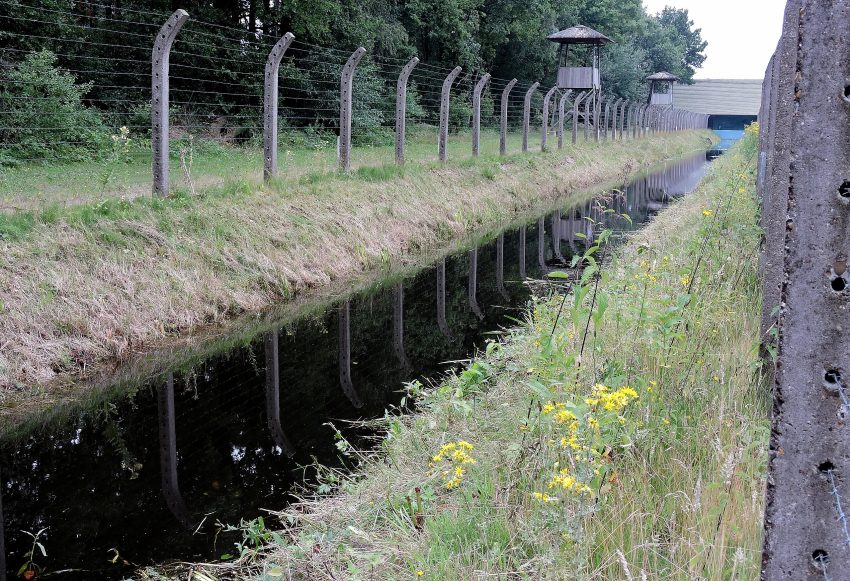
National Monument Camp Vught (Nationaal Monument Kamp Vught) is a memorial and museum in the town of Vught, built on part of the former SS concentration camp known as Konzentrationslager Herzogenbusch. It is a deeply sobering place, designed to help you understand what happened here through personal stories, original locations, and carefully presented evidence that makes the scale of suffering real without sensationalising it.
The visit is structured but quietly powerful: reconstructed watchtowers establish the camp's intimidating outline, a barrack reconstruction helps you picture daily life, and the original crematorium anchors the experience in undeniable reality. If you are building a walking tour of Vught, this is one of the must-see places in Vught because it gives the town a historical depth that you cannot grasp from scenery alone.
Table of Contents
- History and Significance of the National Monument Camp Vught
- Things to See and Do in the National Monument Camp Vught
- How to Get to the National Monument Camp Vught
- Practical Tips on Visiting the National Monument Camp Vught
- Where to Stay Close to the National Monument Camp Vught
- Is the National Monument Camp Vught Worth Visiting?
- For Different Travelers
- FAQs for Visiting National Monument Camp Vught
- Nearby Attractions to the National Monument Camp Vught
History and Significance of the National Monument Camp Vught
Camp Vught was the only SS concentration camp established outside Nazi Germany and territories annexed by Nazi Germany, operating from early 1943 until 1944. Prisoners came from many countries and backgrounds, and the camp’s purpose shifted between forced labour, imprisonment, deportation, and terror, reflecting the evolving machinery of occupation and persecution.
What makes the memorial especially important is its layered afterlife. The site did not simply vanish after liberation; parts of it were reused and repurposed, while other elements disappeared, leaving a complicated landscape where memory, absence, and remnants sit side by side. Visiting today is less about “seeing a museum” and more about stepping into a location where the physical setting still carries the weight of what occurred.
Things to See and Do in the National Monument Camp Vught
Begin in the main museum building with the permanent exhibition, which is structured around individual stories so the history does not remain abstract. The audio tour is worth using even if you usually skip them, because it helps you connect specific objects and locations to real people rather than just dates.
Outside, walk the former camp area at a slower pace than you think you need. The reconstructed watchtowers and the open space between them are deliberately confronting, and the simplest moments, like standing in silence and looking down a straight line of fencing, can be the ones that stay with you.
Do not miss the crematorium, which is original and quietly devastating in its restraint. If you have time and emotional bandwidth, consider the memorial trail to the execution site in the woods, a reflective walk that underlines how the violence here extended beyond imprisonment into systematic killing.
How to Get to the National Monument Camp Vught
Vught is in North Brabant, close to 's-Hertogenbosch (Den Bosch), which is the easiest rail hub for most visitors. If you are coming from abroad, Amsterdam Schiphol (AMS) is the main international gateway, with Eindhoven (EIN) a useful closer option for some European routes. For the best deals and a seamless booking experience, check out these flights to Tilburg on Booking.com.
By train, travel to ’s-Hertogenbosch Centraal or Vught Station, then continue by local bus, bike, taxi, or a longer walk depending on your preference and the day. Train tickets and schedules are available directly through NS Dutch Railways and NS International for international services. However, for a smoother experience, we recommend using Omio, which simplifies the booking process and lets you compare prices and schedules all in one place.
From ’s-Hertogenbosch Centraal, a local buurtbus service connects toward the memorial (with limited frequency and no Sunday/public holiday service), so it is wise to check timings if you are relying on it.
Driving is straightforward, with clear motorway access and a free car park at the site, which makes this the simplest option if you are pairing the visit with other stops in Brabant.
Practical Tips on Visiting the National Monument Camp Vught
- Entrance fee: Adults: €12.00; Children (10–17): €6.00.
- Opening hours: Monday – Friday: 10:00–17:00. Saturday – Sunday & Bank Holidays: 12:00–17:00.
- Official website: https://www.nmkampvught.nl/multi/english/
- Best time to visit: Visit early for a calmer, more reflective atmosphere, especially if you want to take the outdoor sections at your own pace.
- How long to spend: Allow at least 2-3 hours for the museum, camp grounds, and crematorium, and longer if you plan the execution-site walk.
- Accessibility: Much of the site is manageable with paved paths, but the experience involves walking and standing for extended periods, including outdoors.
- Facilities: Expect a museum-style set-up with basic visitor amenities, and plan a quiet break afterward if you find the content emotionally heavy.
Where to Stay Close to the National Monument Camp Vught
For a culture-heavy itinerary, base yourself in central ’s-Hertogenbosch so you can walk to restaurants, canals, and museums after your visit; if your priority is maximum convenience and minimal transfers, staying in Vught keeps you closest to the memorial and simplest for an early start.
For a practical, close-by base, Van der Valk Hotel 's-Hertogenbosch - Vught is well placed for drivers and short-stay visitors. If you want to stay in Den Bosch for atmosphere and evening options, Golden Tulip Hotel Central puts you right on the main square, while still keeping the memorial within easy reach by taxi or bus.
Is the National Monument Camp Vught Worth Visiting?
Yes, if you are prepared for a visit that is emotionally demanding but historically essential. This is not a stop you “fit in” casually; it is a place to go with intention, because the site is designed to confront you with human experiences, not just historical facts.
It is also one of the most meaningful WWII memorial visits in the Netherlands because it combines exhibitions with an authentic location, so what you learn is reinforced by where you are standing. Many travellers leave feeling quieter, more reflective, and more aware of how quickly societies can be pushed toward cruelty when rights and humanity are stripped away.
What Other Travellers Say...

Nationaal Monument Kamp Vught, at Lunettenlaan 600 in Vught, is a museum and memorial on the site of a 1943–1944 SS concentration camp featuring preserved barracks, watchtowers and outdoor monuments; visitors say the well‑organised exhibits and audio tour provide a powerful, educational and moving account of what happened, with thoughtful materials for children, English‑speaking staff, free parking, toilets, and a mix of indoor and outdoor displays (note: only digital payments accepted).


For Different Travelers
Families with Kids
This visit works best with older children who can handle serious content and long periods of quiet attention. If you are visiting as a family, frame it as a learning experience and plan a calm, unhurried day so nobody feels rushed through difficult material.
It is also worth setting expectations before you arrive: this is not an “attraction,” and reactions can be unpredictable. A short debrief afterward, even over a simple meal, can help children process what they saw and ask questions in a safe space.
Couples & Romantic Getaways
While it is not a romantic stop in the usual sense, it can be a meaningful shared experience if you value reflective travel and learning together. Couples often find that the quiet, respectful atmosphere encourages deeper conversation than a typical museum visit.
Plan something gentle afterward, such as a canal-side walk in Den Bosch or a quiet café, rather than stacking more heavy sights on the same day. Giving the visit room to settle can make it more impactful and less overwhelming.
Budget Travelers
This is a high-value visit in terms of depth and educational impact, especially since you can spend several hours here without needing add-ons. Budget travellers can keep costs down by staying in Den Bosch, arriving by train, and using bike paths or local buses for the final stretch.
Bring water and give yourself time, because rushing can make the experience feel harsher. If you plan well, this can be one of the most memorable and meaningful parts of a low-cost Netherlands itinerary.
History Buffs
This is a must for anyone studying WWII occupation history, persecution systems, and how camps functioned administratively and psychologically. The strength here is the link between narrative and place, where distances, layouts, and preserved structures sharpen your understanding in a way books alone cannot.
If you want added context, spend time on the outdoor sections and the execution-site route, because the geography helps explain how control and fear were embedded into everyday movement. Take notes if you are inclined to, but also allow moments of stillness, because the silence is part of what teaches you.
FAQs for Visiting National Monument Camp Vught
Getting There
Tickets & Entry
Visiting Experience
Tours, Context & Itineraries
Photography
Accessibility & Facilities
Nearby Attractions to the National Monument Camp Vught
- St John’s Cathedral (Sint-Janskathedraal), ’s-Hertogenbosch: A landmark Gothic cathedral with an impressive interior and a strong sense of Brabant’s medieval heritage.
- Binnendieze Canal Tour, ’s-Hertogenbosch: A boat trip through hidden waterways beneath the city that offers a calmer counterbalance to a heavy memorial visit.
- Het Noordbrabants Museum, ’s-Hertogenbosch: A well-curated museum for art and regional history that works well as a quieter cultural afternoon.
- Fort Isabella, Vught: A historic fort area with walking routes and open spaces, good for a reflective stroll nearby.
- IJzeren Man (Vught): A local lake and park area that offers nature and fresh air if you want to decompress after the memorial.
The Camp Vught National Memorial appears in our Complete Guide to Visiting Tilburg!

Moira & Andy
Hey! We're Moira & Andy. From hiking the Camino to trips around Europe in Bert our campervan — we've been traveling together since retirement in 2020!
This website uses affiliate links which may earn a commission at no additional cost to you!
Planning Your Visit
Monday - Friday: 10:00-17:00.
Saturday - Sunday & Bank Holidays: 12:00-17:00.
Adults: €12.00; Children (10-17): €6.00.
Nearby Attractions
- Efteling Theme Park (14.7) km
Theme Park - Slot Loevestein (23.5) km
Castle - Castle De Haar (54.0) km
Castle - Koepelgevangenis Arnhem (55.5) km
Activity, Historic Building and Historic Site - Tandartsenpraktijk St.Elisabeths Gasthuis (55.8) km
Attraction - Museum Arnhem (56.2) km
Arts Venue, Gardens and Museum - Sacred Heart Statue (56.5) km
Attraction, Sculpture and Statue - Airborne Museum at the Bridge (56.5) km
Historic Site, Memorial and Museum - Historische Kelders Rijnstraat Arnhem (56.5) km
Attraction, Historic Building and Historic Site - Rozet (56.5) km
Arts Venue, Library and Viewing Point
