Calle Alcala, Madrid
Area and Street in Madrid
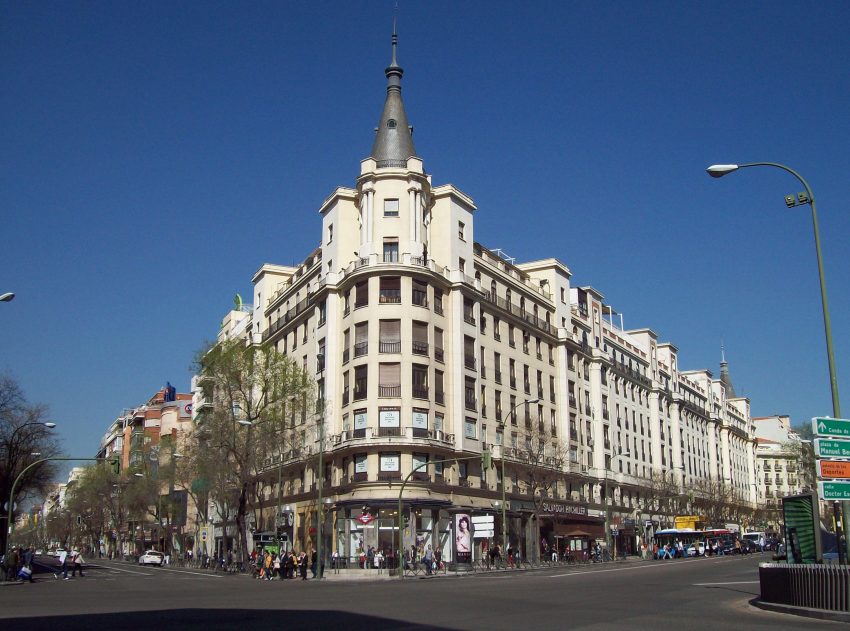
Calle Alcala is one of Madrid's great urban arteries: a long, elegant street that links the historic center with some of the city's most recognizable landmarks and neighborhoods. Even if you only have a day in Madrid, it's an easy, rewarding place to orient yourself because so many “postcard” views sit right along (or just off) its route.
The best way to experience Calle Alcala is on foot as part of a walking tour that connects Puerta del Sol, the grand facades around Plaza de Cibeles, and the Puerta de Alcala near Retiro Park. You can also treat it like a choose-your-own itinerary: architecture and history in the center, shopping and cafés as you go, and green space at the Retiro end.
Table of Contents
- History and Significance of the Calle Alcala
- Things to See and Do in the Calle Alcala
- How to Get to the Calle Alcala
- Practical Tips on Visiting the Calle Alcala
- Where to Stay Close to the Calle Alcala
- Is the Calle Alcala Worth Visiting?
- For Different Travelers
- FAQs for Visiting Calle Alcala
- Nearby Attractions to the Calle Alcala
History and Significance of the Calle Alcala
Calle Alcala’s story is closely tied to Madrid’s growth from a compact royal city into a modern European capital. Historically, it functioned as a key route leading out of the center toward the northeast, and over time it became a main corridor for commerce, institutions, and everyday city life.
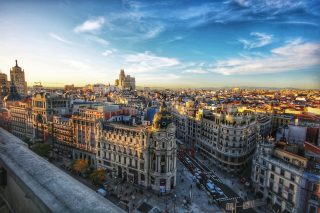
By the late 19th and early 20th centuries, parts of the street were strongly associated with finance and prestige, which helps explain the concentration of imposing buildings and formal streetscapes you'll notice today. Walking it now, you're essentially tracing a timeline: older Madrid near the center, then increasingly monumental architecture as you approach Cibeles and beyond.
What makes Calle Alcala especially significant for visitors is how it stitches together major “nodes” of the city. It's not just a street you pass through; it's a backbone that naturally connects sightseeing, shopping, museums, and parks in a way that feels effortless.
Things to See and Do in the Calle Alcala
Start near Puerta del Sol for the classic Madrid buzz, then head toward Plaza de Cibeles for one of the city's most dramatic urban scenes: wide lanes, grand buildings, and a fountain that's a symbol of Madrid celebrations. From there, continue toward the Puerta de Alcala, an iconic monument and a natural photo stop.
Along the way, look up as much as you look ahead. Calle Alcala is made for architecture lovers: ornate facades, historic commercial buildings, and a sense of scale that's rare in older European city centers. It's also a practical street for shopping, from international brands to local stops on side streets.
If you want a simple, high-impact plan, pair the walk with a Retiro Park visit. Strolling Calle Alcala into the park gives you a satisfying “city-to-green” transition, and it's an easy way to balance sightseeing with downtime.
How to Get to the Calle Alcala
Madrid's nearest airport is Adolfo Suárez Madrid–Barajas Airport (MAD), with frequent metro, bus, and taxi connections into the city center. For the best deals and a seamless booking experience, check out these flights to Madrid on Booking.com.
If you're arriving by train, Madrid Puerta de Atocha and Madrid Chamartín are the main stations; from either, you can connect by metro or taxi to central stops near Puerta del Sol, Banco de España, or Retiro to join Calle Alcala on foot. Train schedules and bookings can be found on Omio..
Driving is usually the least convenient option for central Madrid due to traffic and restricted zones, so consider parking outside the center and using the metro to reach the street. If you are looking to rent a car in Spain I recommend having a look at Discover Cars, first, as they compare prices and review multiple car rental agencies for you.
Practical Tips on Visiting the Calle Alcala
- Entrance fee: Free.
- Opening hours: 24 Hours.
- Best time to visit: Go in the morning for calmer sidewalks and cleaner photos, or around sunset when the buildings glow and the city feels lively without being overwhelming.
- How long to spend: Plan 1–2 hours for a highlights walk (Sol to Cibeles to Puerta de Alcala), or half a day if you add shopping, cafés, and Retiro Park.
- Accessibility: Sidewalks are generally wide and curb cuts are common, but expect busy crossings and occasional uneven paving near older sections.
- Facilities: You’ll find plenty of cafés, shops, and public-transport access points along the route; restrooms are easiest in museums, large stores, or cafés where you stop for a drink.
Where to Stay Close to the Calle Alcala
Base yourself in central Madrid (Sol, Gran Via, or the Cibeles/Retiro edge) for the easiest walking access to Calle Alcala's best sights.
If you want to step out straight into landmark territory, aim for the Sol–Cibeles stretch, where you can walk to major viewpoints and hop on the metro in minutes. For a quieter feel, the Retiro side gives you park access while still keeping you close to the street’s most iconic monument.
Four Seasons Hotel Madrid Chosen for its ultra-central location near the Calle Alcala/Canalejas area and a polished, high-end stay that makes walking the center effortless.
The Principal Madrid Hotel Included for its stylish design and rooftop vibes near Gran Via, with an easy walk to the Calle Alcala corridor and central sights.
Hotel Regina A practical pick because it sits right on Calle Alcala, making early-morning strolls and quick returns between stops very convenient.
Only YOU Boutique Hotel Madrid Great for travelers who want a boutique feel near Chueca/Justicia, with quick access to Calle Alcala for shopping and architecture walks.
NH Collection Madrid Suecia Chosen for its strong location near Banco de España and Cibeles, ideal for a landmark-focused itinerary and easy metro connections.
Is the Calle Alcala Worth Visiting?
Yes, Calle Alcala is absolutely worth visiting because it delivers a high concentration of “Madrid moments” in a single, walkable line: big architecture, famous monuments, and a natural route between the center and Retiro Park. It's also flexible, working equally well as a quick orientation walk or a longer day of shopping, cafés, and sightseeing.
Honest Pivot: If you dislike busy city streets, traffic noise, or long urban walks, you might prefer to focus on smaller neighborhoods (like Las Letras or parts of Malasaña) and just visit one Calle Alcala highlight (such as Cibeles or the Puerta de Alcala) rather than walking a long section.
What Other Travellers Say...

Google reviewers rate Calle Alcala very highly, describing it as a beautiful, wide, and enjoyable street for long strolls. Many highlight its historic character, its importance in Madrid's development, and the fact that it stretches far across the city with plenty of shopping opportunities along key sections. The most common downside is practical rather than scenic: because it's long and central, it can feel busy and traffic-heavy, and walking a large portion can be tiring if you don't plan your segment.


For Different Travelers
Calle Alcala is a “build your own day” destination: you can keep it simple with a scenic walk, or use it as a spine that connects museums, parks, and shopping. The key is choosing the stretch that matches your pace and interests.
Families with Kids
Families do best by treating Calle Alcala as a short, landmark-to-landmark stroll rather than a marathon walk. Pick a fun visual goal (Cibeles fountain or the Puerta de Alcala) and build in a park break at Retiro.
Crossings can be busy, so plan your route with fewer street changes and use major intersections with clear signals. A snack stop or a quick treat along the way can turn the walk into an easy win.
Couples & Romantic Getaways
For couples, Calle Alcala shines at golden hour when the buildings look their best and the city feels cinematic. Walk from Cibeles toward the Puerta de Alcala, then continue into Retiro for a slower, more intimate pace.
Pair the stroll with a café stop or a dress-up dinner nearby, and you'll get a classic Madrid evening without complicated logistics. It's a simple plan that feels special.
Budget Travelers
Budget travelers will appreciate that the best part of Calle Alcala is essentially a free open-air experience. You can get major landmark views, great people-watching, and plenty of photo spots without paying for entry.
To keep costs down, use the metro to “skip” less interesting stretches and focus on the Sol–Cibeles–Puerta de Alcala segment. Bring a refillable water bottle and plan a picnic-style break in Retiro.
FAQs for Visiting Calle Alcala
Getting There
Tickets & Entry
Visiting Experience
Tours, Context & Itineraries
Photography
Accessibility & Facilities
Food & Breaks Nearby
Safety & Timing
Nearby Attractions to the Calle Alcala
- Puerta del Sol: Madrid's central meeting point with constant energy, shops, and easy metro connections.
- Plaza de Cibeles: A grand plaza with an iconic fountain and some of the city's most impressive architecture.
- Puerta de Alcala: One of Madrid's most famous monuments and a natural gateway to Retiro Park.
- El Retiro Park: The city's classic green escape for strolling, boating, and relaxed people-watching.
- Gran Via: A nearby avenue known for shopping, theaters, and big-city Madrid nightlife.
The Calle Alcala appears in our Complete Guide to Visiting Madrid!

Moira & Andy
Hey! We're Moira & Andy. From hiking the Camino to trips around Europe in Bert our campervan — we've been traveling together since retirement in 2020!
This website uses affiliate links which may earn a commission at no additional cost to you!
Nearby Attractions
- El Estanque (1) km
Attraction, Lake and Park - Parque del Retiro (1.1) km
Park - Museo Arqueologico Nacional (1.1) km
Museum - Puerta de Alcala (1.2) km
Attraction, City Gate and Monument - Palacio de Velazquez (1.2) km
Arts Venue, Historic Building and Museum - Plaza de Colon (1.2) km
Historic Site, Monument and Square - Biblioteca Nacional (1.2) km
Historic Building, Library and Museum - Plaza de Toros de Las Ventas (1.3) km
Attraction, Bullring and Historic Building - Palacio de Cristal (1.4) km
Gallery, Historic Building and Park - Palacio de Cibeles (1.6) km
Arts Venue, Historic Building and Town Hall