Barcelona Port Cable Car
Cable Car in Barcelona
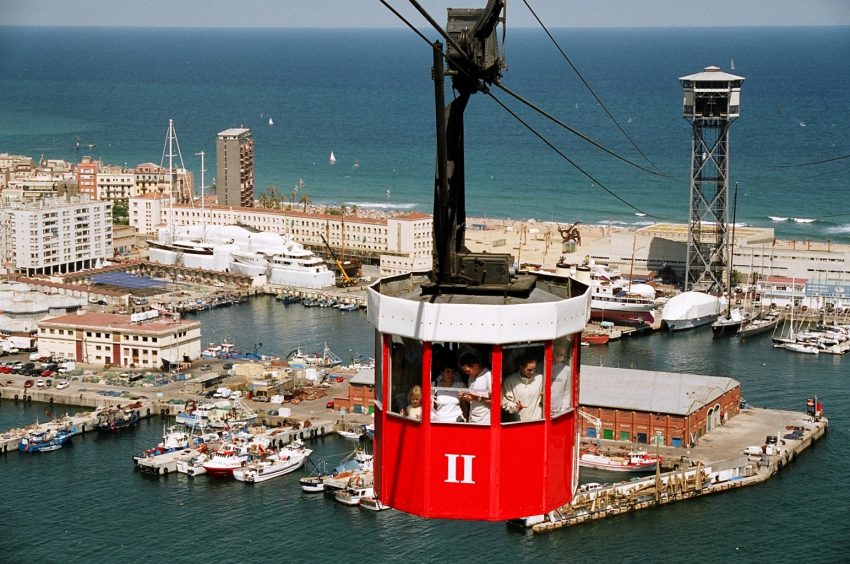
The Barcelona Port Cable Car is the old-school aerial tramway that crosses the harbour high above Port Vell, delivering one of the most cinematic views in the city. The “Port Station” people refer to is Torre Jaume I, the tall iron tower planted right in the middle of the port-an engineering landmark you'll spot from the waterfront long before you reach it.
In practice, it works best as a walking-tour upgrade: start around Barceloneta and the marina, then take the cable car as your shortcut to Montjuïc-side viewpoints (or reverse it as a grand finale back toward the sea). Even if you only ride one way, it’s a memorable, skyline-and-shipping-lanes perspective that you don’t get from street level.
Table of Contents
- History and Significance of the Barcelona Port Cable Car
- Things to See and Do in the Barcelona Port Cable Car
- How to Get to the Barcelona Port Cable Car
- Practical Tips on Visiting the Barcelona Port Cable Car
- Where to Stay Close to the Barcelona Port Cable Car
- Is the Barcelona Port Cable Car
- For Different Travelers
- FAQs for Visiting Barcelona Port Cable Car
- Nearby Attractions to the Barcelona Port Cable Car
History and Significance of the Barcelona Port Cable Car (Torre Jaume I Station)
The Port Cable Car (often called Telefèric del Port or Transbordador Aeri del Port) was conceived in the late 1920s to connect the city’s harbour area with the Montjuïc slopes during the era of the 1929 International Exhibition. Its purpose was part practical link, part spectacle-an early statement that Barcelona’s waterfront could be both working port and public showpiece.
Torre Jaume I is the visual anchor of the whole system: a steel tower rising above the docks, designed to hold the line across the widest section of the harbour. It's significant not just as a station, but as a piece of industrial-era Barcelona that has survived multiple waves of waterfront change, from port expansion to the modern redevelopment that followed.
Today, its significance is as much about the view as the history. Riding (or even just seeing) the cable car frames Barcelona in one sweep: the Gothic city behind, the port below, and Montjuïc ahead-an instant “this is a maritime city” reminder.
Things to See and Do in the Barcelona Port Cable Car (Torre Jaume I Station)
The main “thing to do” is the crossing itself: you’re suspended above the harbour with clear sightlines to the old town, the waterfront promenades, and the cruise and cargo activity below. If you’re a photography person, this is one of the cleanest ways to get scale-ships, cranes, rooftops, and coastline in the same frame.
Treat the ride as a connector in a mini-route rather than a standalone attraction. A classic plan is to start with a waterfront walk around Barceloneta and Port Vell, ride across, then continue on foot around Miramar viewpoints and Montjuïc gardens. The reverse works just as well if you want to end your day with sea air and sunset energy.
If Torre Jaume I is closed when you visit, it’s still worth seeking out the tower from ground level for the industrial architecture and harbour vantage points. You can still get the “port crossing” feeling by riding between the operating stations and building your walk around the seafront and Montjuïc edges.
How to Get to the Barcelona Port Cable Car (Torre Jaume I Station)
Barcelona-El Prat Airport is the closest major airport, with easy transfers into the city via metro, train, and airport bus connections. For the best deals and a seamless booking experience, check out these flights to Barcelona on Booking.com. Girona-Costa Brava Airport is another common entry point for budget flights, but it adds a longer transfer into Barcelona. For the best deals and a seamless booking experience, check out these flights to Barcelona on Booking.com.
From Barcelona Sants (the main station), the simplest approach is to use the metro to reach the waterfront side of the city, then walk toward Port Vell/Barceloneta depending on which station you're aiming for. Train schedules and bookings can be found on Omio. If you’re already in the historic centre, walking down via Port Vell is often faster and more enjoyable than stitching together multiple short rides.
Buses serve both the waterfront and the Montjuïc side, which is useful if you want to avoid longer walks. Plan your last stretch on foot so you can actually enjoy the harbour views you came for.
Driving is rarely worth it for this stop because parking is limited and the port-front streets can be slow, so it’s better to use public transport and walk the final segment. If you are looking to rent a car in Spain I recommend having a look at Discover Cars, first, as they compare prices and review multiple car rental agencies for you.
Practical Tips on Visiting the Barcelona Port Cable Car (Torre Jaume I Station)
- Entrance fee: One way €12.50. Round trip €20.00.
- Opening hours: (Summer): Daily: 10:30–20:00. (Winter): Daily: 11:00–17:30.
- Official website: https://www.telefericodebarcelona.com/en/telefericodebarcelonaen/
- Best time to visit: Late afternoon for softer light across the harbour and a better chance of calm, photo-friendly visibility.
- How long to spend: 30-60 minutes for the ride and viewpoints; 2-3 hours if you build it into a waterfront-to-Montjuïc mini-route.
- Accessibility: Expect constraints typical of older aerial-tram infrastructure, and plan for stairs/uneven access depending on which station you use.
- Facilities: Facilities are best found around Barceloneta and Port Vell rather than at the station itself, so plan a café or restroom stop before you queue.
Where to Stay Close to the Barcelona Port Cable Car (Torre Jaume I Station)
For the easiest access and the best “walk-to-it” experience, base yourself around Port Vell/El Born for a culture-heavy itinerary, or Barceloneta if your priority is sea views and quick beach access.
If you want a high-impact waterfront stay that’s a short walk from the Barceloneta-side station area, W Barcelona is the iconic choice for views and atmosphere. For a more central base that keeps the harbour and the old city equally convenient, H10 Port Vell is a practical pick near Port Vell.
If you want boutique style right on the edge of the Gothic Quarter with an easy walk to the waterfront, The Serras Barcelona is well placed for combining city sights with a cable-car-and-seafront day.
Is the Barcelona Port Cable Car (Torre Jaume I Station) Worth Visiting?
Yes-if you value viewpoints that feel genuinely different from “another rooftop bar,” this one delivers. The harbour crossing gives you a clean, elevated panorama of Barcelona's maritime identity, and it slots naturally into a day of walking between the old town, Port Vell, and Montjuïc.
Honest pivot: if you’re sensitive to heights, dislike brief queue-and-ride attractions, or you’re visiting when Torre Jaume I is closed and you don’t want to re-route to the operating stations, you may be better off sticking to ground-level viewpoints on Montjuïc and the waterfront promenades instead.
What Other Travellers Say...

Cable Car | Port Station (Telefèric del Port) is the waterfront departure point for the aerial cable car that lifts you from the port area toward Montjuïc for sweeping, “bird's-eye” views of the sea, the city, and the hillside. Reviews are split: many love the smooth ride and photo-worthy panoramas, while others call it overpriced and overcrowded, noting you may still have a 15–20 minute uphill walk from the top station to Montjuïc Castle. Practical takeaways are to go midweek or earlier for lighter queues, aim for a window spot if you care about photos, and wear comfortable shoes for walking around Montjuïc's slopes and stone paths.


For Different Travelers
Families with Kids
This can be a strong family win if your kids enjoy “transport-as-an-attraction,” because the ride is short, visual, and feels like an adventure. The best approach is to frame it as part of a bigger loop-waterfront walk, quick ride, then a park or viewpoint stop-so you’re not relying on the cable car alone to carry the day.
If anyone in your group is nervous with heights, prep them for how exposed the view feels above the harbour. A one-way ride paired with an easy return route on foot or by public transport often keeps things smoother.
Couples & Romantic Getaways
For couples, this is at its best around golden hour when the harbour light softens and the skyline looks layered rather than harsh. Do it as a transition: start with old-town wandering, then “lift” into a viewpoint moment, then finish with dinner back near the water.
If you're choosing between this and other scenic options, this one feels the most distinctly Barcelona because it's tied directly to the port. It's less about greenery and more about that coastal-city drama.
Budget Travelers
Because it's a paid ride for a short experience, you'll get the best value by using it as a connector rather than a novelty. Plan a one-way crossing and build the rest of the day around free highlights: Port Vell walks, Barceloneta promenade, Montjuïc viewpoints, and neighbourhood wandering.
If it's busy or the station situation forces a detour, don't force it just to “do the thing.” Barcelona has plenty of free panoramas that can replace it without derailing your day.
FAQs for Visiting Barcelona Port Cable Car (Torre Jaume I Station)
Getting There
Tickets & Entry
Visiting Experience
Photography
Accessibility & Facilities
Nearby Attractions to the Barcelona Port Cable Car (Torre Jaume I Station)
- Port Vell: Barcelona's harbour-front promenade area, ideal for a scenic walk before or after the ride.
- Barceloneta Beach: The classic city beach for a quick swim, sunset stroll, or people-watching break.
- El Born: A compact neighbourhood of historic streets, food spots, and small museums that pairs naturally with the waterfront.
- Miramar Gardens (Jardins de Miramar): A calm Montjuïc-side viewpoint area that works well as a post-ride stroll.
- Montjuïc Castle: A hilltop fortress with panoramic city-and-sea views, best reached as part of a broader Montjuïc route.
The Barcelona Port Cable Car appears in our Complete Guide to Visiting Barcelona!

Moira & Andy
Hey! We're Moira & Andy. From hiking the Camino to trips around Europe in Bert our campervan — we've been traveling together since retirement in 2020!
This website uses affiliate links which may earn a commission at no additional cost to you!
Planning Your Visit
(Summer): Daily: 10:30-20:00.
(Winter): Daily: 11:00-17:30.
One way €12.50. Round trip €20.00.
Nearby Attractions
- Plaça del Mar (0.2) km
Square - L’Aquàrium de Barcelona (0.5) km
Aquarium - Barceloneta Beach (0.6) km
Beach - Església de Sant Miquel del Port (0.7) km
Church, Historic Building and Religious Building - Port Vell (0.8) km
Port - Mercat de la Barcelona (0.8) km
Bazaar and Market - Museum of the History of Catalonia (0.9) km
Attraction and Museum - Christopher Columbus monument (0.9) km
Memorial, Monument and Viewing Point - Carrer de la Plata, 4 (1.0) km
Historic Site and Street - La Rambla (1.0) km
Area, Promenade and Street