Benedictine Monastery of San Nicolò l'Arena, Catania
Historic Building, Historic Site and Monastery in Catania
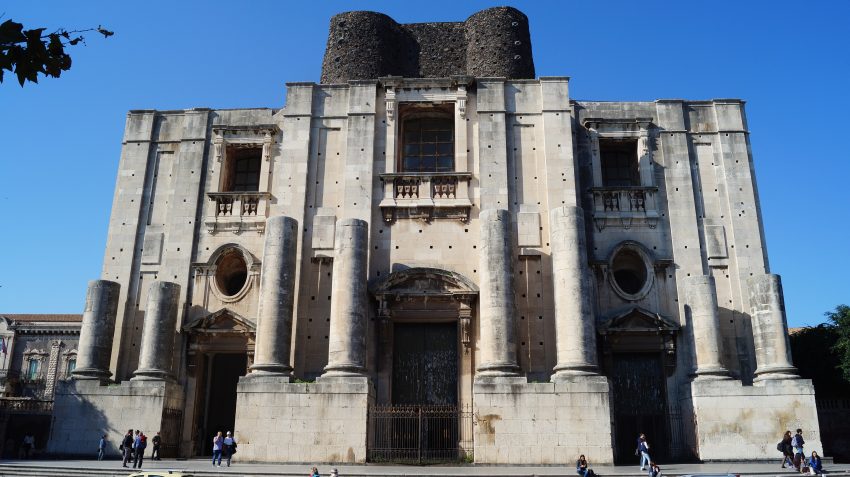
The Benedictine Monastery of San Nicolò l'Arena is one of Catania's most impressive architectural complexes, set just behind Piazza Dante on the western edge of the historic center. From the street it can feel understated, but once you step inside, the scale opens up into grand cloisters, long corridors, and layered spaces that reveal centuries of Sicilian history.
It's an easy add-on to a walking tour of central Catania, especially if you're already exploring Via Etnea, Piazza del Duomo, and the Roman-era sights scattered through the old town. For the best experience, aim to see the main cloisters and the subterranean areas that connect the monastery's Baroque splendor to much older foundations.
Table of Contents
- History and Significance of the Benedictine Monastery of San Nicolò l’Arena
- Things to See and Do in the Benedictine Monastery of San Nicolò l’Arena
- How to Get to the Benedictine Monastery of San Nicolò l’Arena
- Practical Tips on Visiting the Benedictine Monastery of San Nicolò l’Arena
- Where to Stay Close to the Benedictine Monastery of San Nicolò l’Arena
- Is the Benedictine Monastery of San Nicolò l’Arena Worth Visiting?
- For Different Travelers
- FAQs for Visiting Benedictine Monastery of San Nicolò l’Arena
- Nearby Attractions to the Benedictine Monastery of San Nicolò l’Arena
History and Significance of the Benedictine Monastery of San Nicolò l’Arena
The monastery is closely tied to Catania's identity: a city shaped by faith, aristocratic patronage, and the constant presence of Mount Etna. Over time, the complex grew into a monumental statement of power and learning, with architecture that reflects the ambitions of its Benedictine community and the artistic language of Sicilian Baroque.
A major part of its significance is how the site preserves multiple “layers” of the city in one place. As you move through courtyards and halls, you're not just seeing a single era; you're seeing a living palimpsest where later construction sits above earlier structures, revealing how Catania rebuilt, expanded, and reinvented itself.
Today, the monastery's role continues through its connection to the University of Catania, giving it a distinctive atmosphere: part monumental heritage site, part academic hub. That mix makes a visit feel less like a sealed-off museum and more like stepping into a working piece of the city.
Things to See and Do in the Benedictine Monastery of San Nicolò l’Arena
Start with the cloisters and courtyards, where the monastery's proportions really land: wide open spaces framed by elegant arcades, with details that reward slow looking. The calm here is a welcome contrast to the buzz of central Catania, and it's one of the best places in the city to appreciate Baroque design at a human pace.
Don’t miss the interior routes that reveal the monastery’s “hidden” character: long passageways, staircases, and unexpected viewpoints that make the complex feel almost like a small city. If you enjoy architectural photography, you’ll find repeating patterns, shifting light, and strong lines that work beautifully in both wide shots and close-up details.
If you can, join a guided visit to better understand what you’re seeing, especially the areas that connect the monastery to older remains below. Many travelers find that context transforms the experience from “beautiful building” into a story-driven journey through Catania’s past.
How to Get to the Benedictine Monastery of San Nicolò l’Arena
The nearest airports are Catania–Fontanarossa Airport (CTA), which is the main gateway to the city, and Comiso Airport (CIY) as a secondary option depending on routes and season. For the best deals and a seamless booking experience, check out these flights to Catania on Booking.com.
Catania is well connected by rail, and arriving at Catania Centrale makes it straightforward to continue by taxi, city bus, or a longer walk into the historic center toward Piazza Dante. Use Omnio to easily compare schedules, book train tickets, and find the best prices all in one place for a hassle-free journey across Italy..
If you’re traveling by car, expect limited traffic zones and tight parking in the old town; it’s usually easier to park outside the core and walk in or use a short taxi ride to Piazza Dante. If you are looking to rent a car in Italy I recommend having a look at Discover Cars, first, as they compare prices and review multiple car rental agencies for you..
Practical Tips on Visiting the Benedictine Monastery of San Nicolò l’Arena
- Official website: https://www.monasterodeibenedettini.it/en/
- Entrance fee: Adults: €10.00; Reduced: €7.50; University students (non-UNICT): €6.00; UNICT students: €4.00; Under 19: €3.00; Under 7: free.
- Opening hours: Daily: 10:00–17:00.
- Best time to visit: Go earlier in the day for quieter corridors and softer light in the courtyards; weekdays can feel calmer than weekends. In warmer months, midday heat makes the shaded interior spaces especially appealing.
- How long to spend: Plan 1.5–2 hours for a satisfying visit, longer if you like to linger for photos or take a guided tour with deeper context.
- Accessibility: The complex includes historic surfaces, steps, and long walking routes; some areas may be easier than others depending on mobility. If accessibility is a priority, contact the site ahead to confirm the most suitable route.
- Facilities: Expect basic visitor services and a museum-style experience focused on the monument itself; it’s smart to bring water, especially in summer, and plan a café stop nearby before or after.
Where to Stay Close to the Benedictine Monastery of San Nicolò l’Arena
Base yourself in Catania’s historic center for the easiest walks to major sights, evening dining, and a flexible schedule for tours.
Palace Catania | UNA Esperienze A polished, central option on Via Etnea that's great if you want comfort plus quick access to the monastery and the rest of the old town.
Duomo Suites & Spa Ideal for travelers who want to be near the city’s landmark piazzas and return to a spa-style reset after long walking days.
Liberty Hotel A boutique pick with character, well placed for a quieter sleep while still being walkable to Piazza Dante and central sights.
Habitat Boutique Hotel A stylish base for design-minded travelers who want a modern feel in a historic city, with excellent access to restaurants and nightlife.
Bastio Private Suites A strong choice if you like being close to the waterfront edge of the center and want spacious suites for longer stays.
Is the Benedictine Monastery of San Nicolò l’Arena Worth Visiting?
Yes, it's one of the most worthwhile cultural stops in Catania: the architecture is genuinely monumental, the atmosphere is peaceful, and the visit offers a rare sense of moving through multiple centuries in one coherent place. Even if you're not usually a “churches and monuments” traveler, the monastery's scale and the variety of spaces keep it engaging.
Honest Pivot: if your time in Catania is extremely short and you're prioritizing only the headline icons (like the Duomo area plus a quick Roman theatre stop), you might skip the monastery because it rewards slower exploration. It's also less ideal if you dislike guided formats and arrive late expecting a simple, quick walk-through.
What Other Travellers Say...

Google reviewers are overwhelmingly enthusiastic, describing the monastery as a peaceful, beautifully maintained landmark with striking Baroque architecture and a surprising interior that exceeds expectations. Many highlight the sheer scale of the complex, the courtyards, and the richness of the history, with guided tours often praised for being engaging and informative. A recurring downside is that logistics can feel unclear at times (such as ticketing or how to visit on arrival), and some visitors suggest a guide is important to fully understand what you’re seeing.


For Different Travelers
The monastery works well for many travel styles because it combines beauty, calm, and story. The key is matching your visit style to your pace: a guided tour for context, or a slower self-led wander if you’re here for architecture and atmosphere.
Families with Kids
Kids who enjoy “exploring” tend to do well here because the monastery feels like a maze of corridors, courtyards, and surprising corners. Framing it as a discovery walk (rather than a lecture) helps keep energy up.
If you’re visiting with younger children, plan a shorter route and add a nearby snack stop afterward. The calm courtyards can be a nice break from busy streets, but you’ll still want to keep an eye on steps and uneven surfaces.
Couples & Romantic Getaways
For couples, the monastery is a quieter, more intimate counterpoint to Catania’s lively street life. The courtyards and repeating arches create a cinematic backdrop for slow strolling and photos.
Pair it with a relaxed itinerary: monastery visit, then a café or aperitivo in the center. It’s especially appealing if you like places that feel serene without leaving the city.
Budget Travelers
This is a high-impact cultural visit that can fit a budget itinerary, especially if you plan your day around walkable sights in the historic center. You can combine it with other nearby landmarks without needing taxis.
To keep costs down, prioritize one paid cultural stop per day and fill the rest with free city wandering, viewpoints, and markets. If you do choose a guided visit here, you’ll likely feel the value because it adds clarity to what you’re seeing.
History Buffs
History lovers will appreciate how the monastery connects Catania’s religious, civic, and architectural narratives in one place. It’s the kind of site where the “why” matters as much as the “wow.”
A guided tour is particularly rewarding for understanding the site’s phases and the relationship between the monastery and the wider city. If you like layered cities, this is a must.
FAQs for Visiting Benedictine Monastery of San Nicolò l’Arena
Getting There
Tickets & Entry
Visiting Experience
Tours, Context & Itineraries
Photography
Accessibility & Facilities
Food & Breaks Nearby
Safety & Timing
Nearby Attractions to the Benedictine Monastery of San Nicolò l’Arena
- Piazza Dante: The monastery’s front-door square, a great place to orient yourself and appreciate the complex’s exterior scale.
- Via Etnea: Catania's main artery for strolling, shopping, and classic city views, especially as you move toward the center.
- Piazza del Duomo: The city's iconic heart, home to landmark Baroque architecture and a lively atmosphere day and night.
- Teatro Romano di Catania: A fascinating Roman-era site that adds ancient context to the city's layered history.
- Villa Bellini (Giardino Bellini): A central green escape that's perfect for a relaxed walk after a culture-heavy morning.
The Benedictine Monastery of San Nicolò l'Arena appears in our Complete Guide to Visiting Catania!

Moira & Andy
Hey! We're Moira & Andy. From hiking the Camino to trips around Europe in Bert our campervan — we've been traveling together since retirement in 2020!
This website uses affiliate links which may earn a commission at no additional cost to you!
Planning Your Visit
Daily: 10:00-17:00.
Adults: €10.00; Reduced: €7.50; University students (non-UNICT): €6.00; UNICT students: €4.00; Under 19: €3.00; Under 7: free.
Nearby Attractions
- Terme della Rotonda (0.2) km
- Roman Odeon (0.2) km
Historic Site, Roman Site and Theatre - Roman Theater of Catania (0.3) km
Historic Site, Roman Site and Theatre - Church of Saint Julian (0.4) km
Church, Religious Building and Viewing Point - Chiesa di San Francesco Borgia (0.4) km
Church and Religious Building - Church of Saint Benedict (0.4) km
Church, Historic Building and Religious Building - Museo Vincenzo Bellini (0.4) km
Historic Building, Historic Site and Museum - Casa di Giovanni Verga (0.4) km
Historic Building, Library and Museum - Museum of Contemporary Art in Sicily (0.4) km
Arts Venue, Gallery and Museum - Church of St. Camillus (0.4) km
Attraction, Church and Religious Building