Barcelona Maritime Museum
Historic Building, Historic Site and Museum in Barcelona
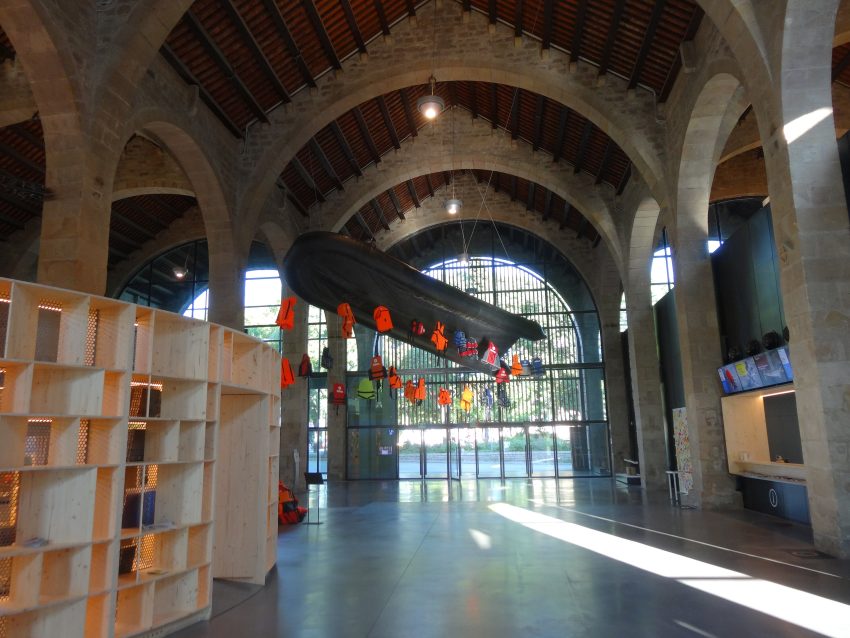
The Barcelona Maritime Museum (Museu Marítim de Barcelona) is one of the city's most atmospheric museums, set inside the Drassanes Reials (Royal Shipyards) at the foot of La Rambla, steps from Port Vell. Even if you think you're “not a museum person,” the building alone is a showstopper: soaring stone arches, cavernous halls, and a sense that you've walked into Barcelona's working waterfront centuries ago.
It's an easy add-on to a walking tour of the Gothic Quarter, La Rambla, and the waterfront, and it pairs especially well with the Columbus Monument and a stroll along Port Vell. If you're choosing the best moments to see, prioritize the grand central nave-like halls and the full-size ship replica, then circle back for the smaller galleries of maps, instruments, and model ships.
Table of Contents
- History and Significance of the Barcelona Maritime Museum
- Things to See and Do in the Barcelona Maritime Museum
- How to Get to the Barcelona Maritime Museum
- Practical Tips on Visiting the Barcelona Maritime Museum
- Where to Stay Close to the Barcelona Maritime Museum
- Is the Barcelona Maritime Museum Worth Visiting?
- For Different Travelers
- FAQs for Visiting Barcelona Maritime Museum
- Nearby Attractions to the Barcelona Maritime Museum
History and Significance of the Barcelona Maritime Museum
The museum is housed in the Drassanes Reials, Barcelona’s medieval royal shipyards, built to construct and maintain galleys that powered trade, defense, and expansion across the Mediterranean. The scale of the architecture reflects how central shipbuilding once was to the city’s economy and identity.
As a museum, it uses that historic setting to tell a broader story: navigation and cartography, the daily realities of sailors and oarsmen, and the networks of commerce that connected Barcelona to the wider world. Many visitors also appreciate that the museum doesn't sanitize the past, addressing difficult chapters tied to maritime empires, forced labor, and exploitation.
Today, the Barcelona Maritime Museum is significant not just for its collections, but for the way it anchors Barcelona's “sea-facing” story in a place that once produced the vessels themselves—turning the building into one of the most important artifacts on display.
Things to See and Do in the Barcelona Maritime Museum
Start with the headline experience: the full-size galley replica, which gives you an immediate, physical sense of scale, craftsmanship, and the human labor behind historic seafaring. It’s the kind of exhibit that lands even if you arrive with low expectations, and it’s often the moment people remember most.
Then slow down in the galleries of ship models, navigational instruments, and maps. These displays are ideal for understanding how sailors read the sea before modern tech, and how ports like Barcelona became hubs of knowledge as well as trade. If you enjoy design details, look for the fine workmanship in model rigging and the precision of older measuring tools.
Finally, take time to appreciate the shipyards themselves: the rhythm of the arches, the light in the halls, and the sense of space. If you’re traveling with someone who loves architecture or photography, the building can be as rewarding as the exhibits.
How to Get to the Barcelona Maritime Museum
Barcelona–El Prat Airport (BCN) is the nearest major airport, with frequent connections into the city center by taxi, bus, and rail. For the best deals and a seamless booking experience, check out these flights to Barcelona on Booking.com.
If you're arriving by train, Barcelona Sants is the main station; from there, you can connect by Metro or taxi to the Drassanes/La Rambla area. Train schedules and bookings can be found on Omio.
Within the city, the easiest public-transport option is the Metro: Drassanes (L3) is the closest stop, and it's also walkable from the Gothic Quarter and Port Vell. If you're driving, aim for paid parking near Port Vell or the lower end of La Rambla, then walk the last few minutes to the entrance. If you are looking to rent a car in Spain I recommend having a look at Discover Cars, first, as they compare prices and review multiple car rental agencies for you.
Practical Tips on Visiting the Barcelona Maritime Museum
- Official website: https://www.mmb.cat/
- Entrance fee: Adults: €10; Reduced: €5; Under 17: free; Sundays after 15:00: free.
- Opening hours: Monday – Sunday: 10:00–20:00. December 24 & 31: 10:00–15:00. Closed on December 25, December 26, January 1, January 6.
- Best time to visit: Go in the morning for quieter galleries and better light in the shipyard halls; late afternoon can be great too, but avoid cutting it close to last entry.
- How long to spend: Plan 1.5–2.5 hours for a satisfying visit, longer if you like reading exhibit panels and studying the models.
- Accessibility: Most museum areas are manageable for visitors with limited mobility, but expect a historic building layout; check ahead if you need step-free routes for every section.
- Facilities: There are restrooms and typically a café/restaurant option on-site or immediately nearby, plus a shop for books and maritime-themed gifts.
Where to Stay Close to the Barcelona Maritime Museum
The best area to base yourself is Ciutat Vella (Gothic Quarter/El Raval/El Born) for walkability to the museum, La Rambla, and the waterfront.
Hotel 1898 A polished, central choice right on La Rambla, ideal if you want to walk to the museum and still have a calm, comfortable base with strong amenities.
Arc La Rambla A practical, well-located option near the lower end of La Rambla, making it especially convenient for early museum entry and late waterfront strolls.
Barceló Raval A modern stay in El Raval with a rooftop vibe; great if you want contemporary comfort close to the museum and a lively neighborhood feel.
Andante Hotel One of the closest hotel options to the museum, useful for travelers prioritizing convenience and easy transport connections.
W Barcelona A splurge by the sea with iconic views; choose it if you want a resort-like experience and don’t mind a longer (but scenic) ride/walk back to the historic center.
Is the Barcelona Maritime Museum Worth Visiting?
Yes—especially because it delivers on two levels: a genuinely impressive historic building and exhibits that make maritime history feel tangible. Even travelers who don’t usually seek out specialized museums often come away surprised by how immersive the shipyard setting is, and how memorable the full-size ship displays can be.
Honest Pivot: If your time in Barcelona is extremely tight and you're not interested in ships, trade history, or industrial heritage, you may prefer to prioritize Gaudí sites, Montjuïc viewpoints, or a beach-and-tapas day. Also, if you dislike reading exhibits and want only “quick hits,” the museum can feel slower-paced unless you focus on the biggest centerpiece displays.
What Other Travellers Say...

Overall, reviews are very positive, with many visitors calling it a “gem” and praising the dramatic Royal Shipyards setting as a highlight in itself. Common positives include the impressive full-size ship display, the depth of artifacts (models, maps, instruments), and thoughtful interpretation that addresses both inspiring achievements and harder historical realities. A recurring minor drawback is timing: arriving near closing can feel rushed, and some visitors may find it more engaging if they focus on the biggest exhibits rather than trying to read everything.


For Different Travelers
The Barcelona Maritime Museum is flexible: you can treat it as a quick architectural stop, a deep-dive history visit, or a weather-proof cultural break between neighborhoods. Its location makes it easy to slot into a day that already includes La Rambla, Port Vell, and the old town.
Families with Kids
Kids often respond best to the big, physical elements: the ship replica, the scale of the halls, and anything hands-on or visually bold. Keep the visit moving by choosing a few “anchor” exhibits rather than trying to read everything.
Pair it with a short waterfront walk afterward so children can reset their energy. If you’re visiting with a stroller, plan a simple route through the main spaces and avoid overcomplicating the visit.
Couples & Romantic Getaways
For couples, the museum works well as a calm, atmospheric break from busier Barcelona highlights. The stone arches and soft light in the shipyards can feel surprisingly cinematic, especially if you time it for quieter hours.
Make it part of a waterfront afternoon: museum first, then a slow walk toward Port Vell for sunset views. It's a good “shared curiosity” stop even if only one of you is into history.
Budget Travelers
This is a strong value museum because the building itself is part of the experience, so you’re not paying only for display cases. If you’re watching your spending, consider timing your visit around free-entry windows when available.
It also fits a budget itinerary because it’s walkable from many central neighborhoods, reducing transport costs. Combine it with free nearby sights like the waterfront promenades and viewpoints.
History Buffs
History lovers will appreciate how the museum connects Barcelona’s maritime power to everyday realities: labor, navigation, trade, and the human cost behind seafaring empires. The setting in the Royal Shipyards adds authenticity you can’t replicate in a modern gallery.
If you like context, take your time with maps and instruments, and look for exhibits that link maritime networks to Barcelona’s growth. It’s also a good springboard for exploring the port area with “new eyes” afterward.
FAQs for Visiting Barcelona Maritime Museum
Getting There
Tickets & Entry
Visiting Experience
Tours, Context & Itineraries
Photography
Accessibility & Facilities
Food & Breaks Nearby
Safety & Timing
Nearby Attractions to the Barcelona Maritime Museum
- Columbus Monument (Mirador de Colom): A landmark at the bottom of La Rambla with a viewpoint and classic port-area atmosphere.
- La Rambla: Barcelona's famous promenade for people-watching, street life, and an easy walk back toward Plaça de Catalunya.
- Port Vell: The historic harbor area for a scenic stroll, marina views, and waterfront breaks.
- Gothic Quarter (Barri Gòtic): A maze of medieval streets, small squares, and historic churches a short walk away.
- El Raval: A lively neighborhood for contemporary culture, local bars, and a different side of central Barcelona.
The Barcelona Maritime Museum appears in our Complete Guide to Visiting Barcelona!

Moira & Andy
Hey! We're Moira & Andy. From hiking the Camino to trips around Europe in Bert our campervan — we've been traveling together since retirement in 2020!
This website uses affiliate links which may earn a commission at no additional cost to you!
Planning Your Visit
Monday - Sunday: 10:00-20:00.
December 24 & 31: 10:00-15:00.
Closed on December 25, December 26, January 1, January 6.
Adults: €10; Reduced: €5; Under 17: free; Sundays after 15:00: free.
Nearby Attractions
- La Rambla (0.1) km
Area, Promenade and Street - Christopher Columbus monument (0.2) km
Memorial, Monument and Viewing Point - Museu de Cera de Barcelona (0.2) km
Attraction and Museum - Port Vell (0.3) km
Port - Palau Güell (0.3) km
Historic Building, Historic Site and Palace - Carrer Nou de la Rambla, 10 (0.4) km
Historic Building - Gran Teatre del Liceu (0.5) km
Arts Venue, Opera House and Theatre - Carrer d'Avinyó, 44 (0.5) km
Area, Attraction and Street - Monastery of Sant Pau del Camp (0.5) km
Monastery - Església de Sant Jaume (0.6) km
Church, Historic Building and Religious Building