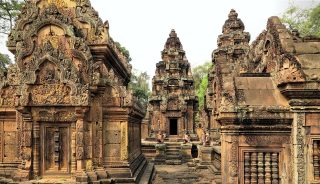
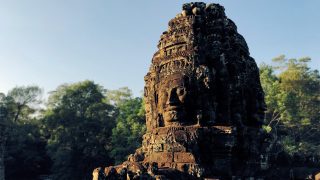
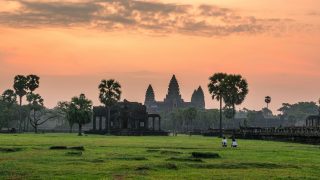
Banteay Kdei, Siem Reap
Buddhist Temple in Siem Reap
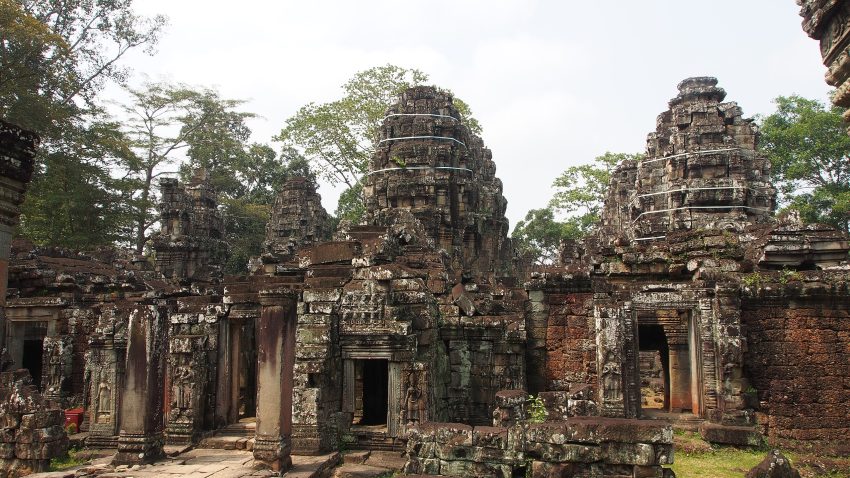
Banteay Kdei is a Buddhist temple in Angkor that feels like a quieter cousin to the more famous “jungle temples.” Built under King Jayavarman VII, it's a citadel of corridors, gates, and enclosed courtyards where the reward is not a single grand viewpoint, but the slow pleasure of moving through shaded galleries and discovering little details as your eyes adjust.
It also has a lived-in, slightly fragile beauty. Because the sandstone here was not the strongest, parts of the temple have slumped and softened over time, and ongoing restoration is part of the present-day experience. If you like ruins that feel atmospheric rather than polished, Banteay Kdei is a very satisfying stop-especially when paired with nearby Ta Prohm and the reflective water of Srah Srang.
Table of Contents
History and Significance of Banteay Kdei
Banteay Kdei was built in the late 12th to early 13th century during the reign of Jayavarman VII, the great Buddhist builder of Angkor. Its name is commonly translated as “Citadel of Chambers,” and it's also known as the “Citadel of Monks' Cells,” reflecting how the complex's many small spaces and galleries suit a monastic, communal function rather than a single royal showcase.
Architecturally, it follows the Bayon-era language you see across Jayavarman VII's projects: enclosed compounds, repeated gateways, and a sense of procession through nested spaces. The plan is less complex than Ta Prohm or Preah Khan, which makes it easier to understand on a quick visit, yet still rich enough to feel like a real temple “world” once you're inside the walls.
The temple's later story is as important as its origin. Poor construction and lower-quality sandstone contributed to long-term deterioration, and the site was occupied by monks at various points until the 1960s. Today, restoration continues, and that combination of sacred past, abandonment, and careful repair is part of what gives Banteay Kdei its quiet emotional pull.
Things to See and Do in Banteay Kdei
Enter with the expectation of a maze. The pleasure here is moving through the two enclosure walls and the concentric galleries, watching doorways frame other doorways, and letting the temple reveal itself in layers rather than all at once. Early in the day, the light sits beautifully in the corridors, and the temple can feel almost private compared with the big headline stops.
Look for the rhythm of the architecture: gopuras (gate towers), long galleries, and small courtyard-like spaces where you can pause, listen, and reset your pace. If you've already done Ta Prohm, Banteay Kdei is a good contrast-less dramatic vegetation, but a calmer, more meditative feeling as you wander.
If you enjoy building a mini-route, link it with Srah Srang. The reservoir sits right nearby and is one of the easiest places in Angkor to catch a peaceful moment by water, which pairs perfectly with Banteay Kdei’s monastic mood.
How to Get to Banteay Kdei
The nearest airport is Siem Reap Angkor International Airport (SAI), with onward transfers into Siem Reap and then into Angkor Archaeological Park. For the best deals and a seamless booking experience, check out these flights to Siem Reap on Booking.com.
There is no practical train service for visitors to reach Siem Reap and Angkor, so arrival is usually by flight or long-distance bus from Phnom Penh or the Thai border areas. Train schedules and bookings can be found on Omio.
From Siem Reap, the simplest approach is to hire a tuk-tuk driver for the day (or a taxi) and run Banteay Kdei as part of the Small Circuit, often combined with Ta Prohm and Srah Srang. If you are travelling by car, start early to reduce heat and traffic inside the park, and keep cash ready for small parking and stop-and-wait logistics.
Practical Tips on Visiting Banteay Kdei
- Entrance fee: Angkor Archaeological Park Pass required: 1-day US$37; 3-day US$62; 7-day US$72.
- Opening hours: Daily: 07:30–17:30.
- Official website: https://apsaraauthority.gov.kh/2021/08/03/banteay-kdei-2/
- Best time to visit: Early morning for softer light and fewer people, or late afternoon when many groups have already moved on.
- How long to spend: 45-75 minutes is ideal, longer if you like slow photography and quiet wandering through the galleries.
- Accessibility: Expect uneven stone, steps, and narrow passages in places; it’s rewarding, but not a smooth, step-free site.
- Facilities: Bring water and sun protection; services are limited at the temple itself, so plan food and longer breaks around Siem Reap or larger Angkor stops.
Where to Stay Close to Banteay Kdei
For a culture-heavy itinerary, base yourself in central Siem Reap near the river and Old Market area for the easiest evenings and quick early starts into Angkor, while a resort-style base slightly out of town suits travellers prioritising pools, quiet, and recovery between temple days.
If you want a polished, central luxury base that makes sunrise starts and post-temple dining effortless, stay at Park Hyatt Siem Reap. For a stylish boutique feel with strong service and a location that keeps the town-and-temples balance easy, consider Shinta Mani Angkor. For a well-priced, comfortable option close to Siem Reap’s restaurants and evening atmosphere, Golden Temple Residence is a dependable choice.
Is Banteay Kdei Worth Visiting?
Yes, especially if you value atmosphere over “big-ticket” drama. Banteay Kdei delivers that classic Angkor feeling-corridors, carved stone, and quiet corners-without demanding the same crowd tolerance as the headline temples, and it pairs brilliantly with nearby stops.
Honest pivot: if you only have one day in Angkor and you are already committed to Angkor Wat, Bayon, and Ta Prohm, Banteay Kdei can be the one you skip to protect your energy. It's best for travellers who want one extra temple that feels calm, maze-like, and a little under the radar.
What Other Travellers Say...

Banteay Kdei Temple, in the Angkor Archaeological Park in Siem Reap, is an unrestored sandstone Buddhist temple and former monastery ringed by a moat and laterite walls; visitors describe a peaceful, quiet site with a maze of chambers, enclosures and galleries to wander, attractive greenery and forested surroundings that make for good photos and a tranquil alternative to busier temples, with a notably striking gate and pleasant views.


For Different Travelers
Families with Kids
Banteay Kdei works well for families if you treat it like an exploration temple rather than a history lecture. The corridors and repeated gateways make it easy to turn the visit into a simple “find the next doorway” game, and it's often less stressful than busier sites where kids feel hemmed in by crowds.
The main watch-outs are heat and footing. Keep the visit short and positive, build in water breaks, and avoid pushing too deep into tight passages if you’re managing strollers or younger children who tire quickly on uneven stone.
Couples & Romantic Getaways
For couples, Banteay Kdei is a strong “quiet Angkor” choice. It has a gentler mood than the blockbuster temples, and the experience feels more like wandering through a hidden place together than queueing through a checklist of sights.
To make it feel especially romantic, pair it with Srah Srang for a waterside pause, then plan a slow return to Siem Reap for a late breakfast or an easy lunch. The best version of this visit is unhurried: fewer photos, more atmosphere.
Budget Travelers
Banteay Kdei is excellent value because it's included on the Angkor Pass and doesn't require special add-ons or complicated logistics. If you're watching costs, it's an easy way to add depth to a Small Circuit day without paying for extra transport beyond what you've already arranged.
It’s also a smart “crowd-avoidance” pick, which matters on a budget because you get more enjoyment per hour when you’re not stuck in bottlenecks. Aim for early morning, move slowly, and let this be one of the calmer chapters of your Angkor itinerary.
FAQs for Visiting Banteay Kdei
Getting There
Tickets & Entry
Visiting Experience
Tours, Context & Itineraries
Photography
Accessibility & Facilities
Food & Breaks Nearby
Safety & Timing
Nearby Attractions to the Banteay Kdei
- Ta Prohm: The famous “tree temple” nearby, where roots and stone create Angkor's most cinematic ruins.
- Srah Srang: A scenic reservoir that’s perfect for a quiet pause, especially at sunrise.
- Angkor Wat: The essential main temple, ideal to pair with Banteay Kdei on a balanced Small Circuit day.
- Bayon Temple: The face-tower masterpiece in Angkor Thom, offering a dramatic contrast to Banteay Kdei's calmer galleries.
- Preah Khan: A larger, atmospheric Jayavarman VII complex that deepens the story of Angkor's Buddhist building era.
The Banteay Kdei appears in our Complete Guide to Visiting Siem Reap!

Moira & Andy
Hey! We're Moira & Andy. From hiking the Camino to trips around Europe in Bert our campervan — we've been traveling together since retirement in 2020!
This website uses affiliate links which may earn a commission at no additional cost to you!
Planning Your Visit
Daily: 07:30-17:30.
Angkor Archaeological Park Pass required: 1-day US$37; 3-day US$62; 7-day US$72.
Nearby Attractions
- Srah Srang & Kandal Srah Srang (0.8) km
Historic Site and Reservoir - Prasat Kravan (1.1) km
Hindu Temple - Ta Prohm (Tomb Raider Temple) (1.1) km
Buddhist Temple - Ta Keo (2.4) km
Buddhist Temple - Pre Rup Temple (2.4) km
Buddhist Temple - Pre Rup Temple (2.4) km
Hindu Temple - Prasat Leak Neang (2.6) km
Buddhist Temple - Ta Nei Temple (2.9) km
Buddhist Temple - East Mebon Temple (3.0) km
Buddhist Temple - Thommanon Temple (3.0) km
Buddhist Temple