Chinatown Gate, Bangkok
Historic Site in Bangkok
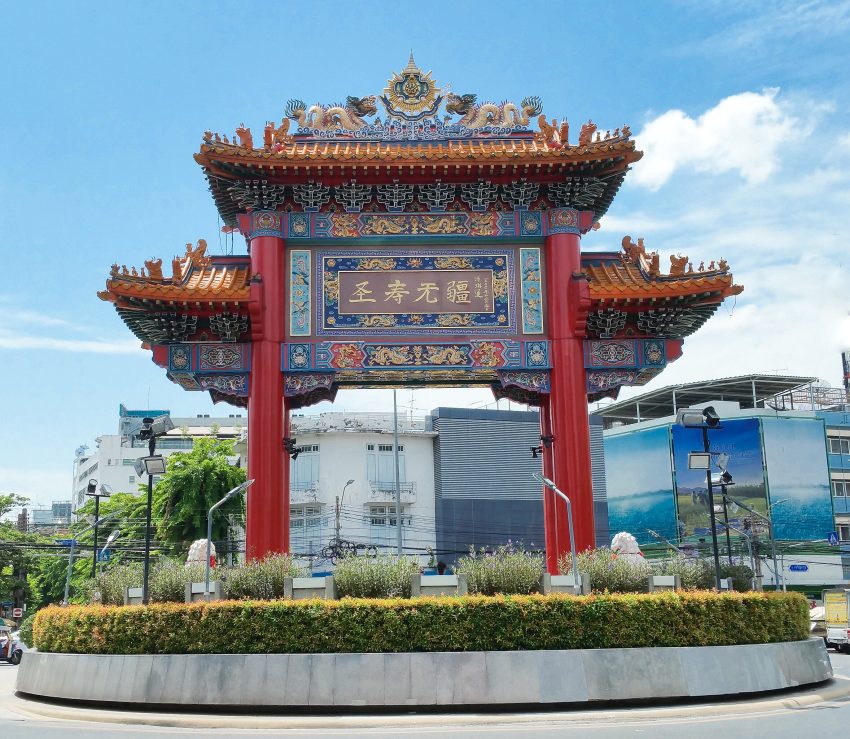
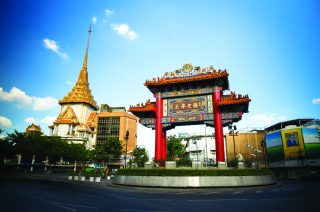
Standing proudly at the entrance to Bangkok's Chinatown, the Chinatown Gate-also known as the Odean Gate-is a striking landmark that welcomes visitors into one of the top attractions in Bangkok. Built to commemorate King Bhumibol Adulyadej's 72nd birthday in 1999, the gate is not only an architectural highlight but also a cultural symbol representing the enduring ties between Thailand and its Chinese community.
The red and gold structure gleams under the tropical sun, adorned with Chinese characters that translate to “Long Live the King.” During Chinese New Year, the area transforms into a sea of lanterns, incense, and joyful energy, making this spot a highlight of any walking tour of Bangkok. Whether you're here to take photos, explore nearby temples, or simply soak in the lively atmosphere in a Chinatown walking tour, the Chinatown Gate is the perfect starting point for a journey into Bangkok's multicultural soul.
History and Significance of Chinatown Gate
The Chinatown Gate, or Odean Gate, was erected in 1999 to celebrate King Bhumibol Adulyadej's 72nd birthday-an event that marked six complete 12-year cycles in the Thai calendar, symbolizing longevity and prosperity. The gate's name comes from the nearby Odean cinema, which once stood as a neighborhood landmark.
The structure’s design blends traditional Chinese artistry with Thai craftsmanship, featuring red lacquered pillars, gold accents, and intricate dragon motifs symbolizing protection and good fortune. The inscription “Sheng Shou Wu Jiang” (“Long Live the King”) reflects the deep respect the Chinese-Thai community holds for the late monarch. Over time, the gate has come to represent harmony between Thai and Chinese cultures-a theme echoed throughout Yaowarat, where temples, shops, and festivals blend the two heritages seamlessly.
During major celebrations like Chinese New Year and the Vegetarian Festival, the Chinatown Gate becomes the spiritual and social heart of the festivities. Locals and visitors gather to make offerings, light incense, and take part in street performances that fill the area with music and color.
Things to See and Do in Chinatown Gate
The Chinatown Gate marks the beginning of Yaowarat Road, a lively stretch packed with street food stalls, gold shops, and traditional Chinese apothecaries. From here, you can explore a network of narrow alleys and attractions that reveal the depth of Bangkok's Chinese heritage.
Just a few steps away lies Wat Traimit, home to the world's largest solid gold Buddha-a must-see for first-time visitors. The nearby Li Thi Miew Temple offers a peaceful retreat for quiet reflection, while Wat Mangkon Kamalawat, one of the most important Chinese-Buddhist temples in Bangkok, buzzes with activity during festivals. For those who love local markets, Sampaeng Lane is a treasure trove of fabrics, trinkets, and snacks, offering a glimpse into the city's old-world commerce.
For something different, venture a little further to Phahurat Market, known as “Little India,” where vibrant textiles and spices line the stalls. End your visit at The Old Siam, a nostalgic shopping arcade blending Thai and Western architecture, ideal for a relaxed meal or coffee after your Chinatown adventure.
How to Get There
The Chinatown Gate is located at the southern end of Yaowarat Road, near the intersection with Charoen Krung Road. The easiest way to reach it is via the MRT Blue Line to Hua Lamphong Station, followed by a short 5-minute walk.
Practical Tips on Visiting Chinatown Gate
- Best time to visit Chinatown Gate: Evenings or during Chinese New Year for the most vibrant atmosphere.
- Entrance fee: Free.
- Opening hours: Open to visitors at all hours; best visited between 8:00 AM and 9:00 PM.
- Official website: tourismthailand.org.
- How long to spend: 1 to 2 hours, or longer if exploring Chinatown.
- Accessibility: Easy to access via sidewalks; some nearby alleys may be narrow or uneven.
- Facilities: Public restrooms and convenience stores nearby.
- Photography tip: Visit just before sunset to capture the gate’s red and gold details under the warm glow of twilight.
- Guided tours: Many Chinatown walking tours start or pass through the gate.
- Nearby food options: Street food along Yaowarat Road offers endless choices-from dim sum and roast duck to mango sticky rice.
Is Chinatown Gate Worth Visiting?
Yes, the Chinatown Gate is one of the must-see places in Bangkok, offering a symbolic and visual introduction to the city's Chinese-Thai heritage. Beyond its cultural importance, it serves as the perfect starting point for exploring Yaowarat's bustling markets, temples, and food stalls. Whether you're visiting during a festival or simply strolling through in the evening, the energy and authenticity of the area make it a truly memorable experience.
What Other Travellers Say...

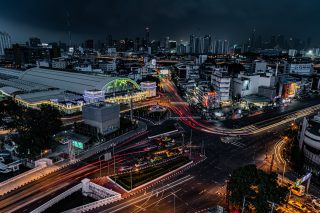
Chinatown Bangkok at Yaowarat Road is a bustling, 24-hour neighborhood best known for its lively evening atmosphere and abundant street food; expect neon-lit streets, crowds, tuk-tuks, food stalls, cafés, gold shops and old shophouses, with standout affordable snacks like mango sticky rice, fresh juices and coconut water and fuller dishes such as pork neck and papaya salad. Visitors recommend going in the evening or on weekends for the most energy, coming with friends to sample many small dishes, carrying small bills because some vendors may not give change, and noting that some side alleys toward the end of the street can have standing water and litter; there are public restrooms in the nearby Chinatown mall.


FAQs for Visiting Chinatown Gate
Nearby Attractions to Chinatown Gate
- Wat Traimit - Home to the Golden Buddha, one of the city's most famous religious treasures.
- Wat Mangkon Kamalawat - A major Chinese-Buddhist temple known for its festive atmosphere.
- Sampaeng Lane - Chinatown's original market street lined with textiles and trinkets.
- Phahurat Market - Bangkok's Little India, filled with colorful fabrics and spices.
- The Old Siam - A nostalgic shopping center blending Thai and Western charm.
The Chinatown Gate appears in our Complete Guide to Visiting Bangkok!

Moira & Andy
Hey! We're Moira & Andy. From hiking the Camino to trips around Europe in Bert our campervan — we've been traveling together since retirement in 2020!
This website uses affiliate links which may earn a commission at no additional cost to you!
Planning Your Visit
Nearby Attractions
- Wat Traimit (Temple of the Golden Buddha) (0.1) km
Buddhist Temple - Kuan Yim Shrine (0.1) km
Chinese Shrine - Yaowarat Road (0.3) km
Street - Bangkok (Hua Lamphong) Railway Station (0.3) km
Railway - So Heng Tai Mansion (0.4) km
Historic Building - Talat Kao (Old Market) (0.6) km
Market - Leng Buai Ia Shrine (0.7) km
Chinese Shrine - Wat Mangkon Kamalawat (Dragon Lotus Temple) (0.8) km
Buddhist Temple - Sampeng Lane (1.1) km
Street - Wat Chakrawat (The Crocodile Temple) (1.1) km
Buddhist Temple