Bakong Temple, Siem Reap
Buddhist Temple near Siem Reap
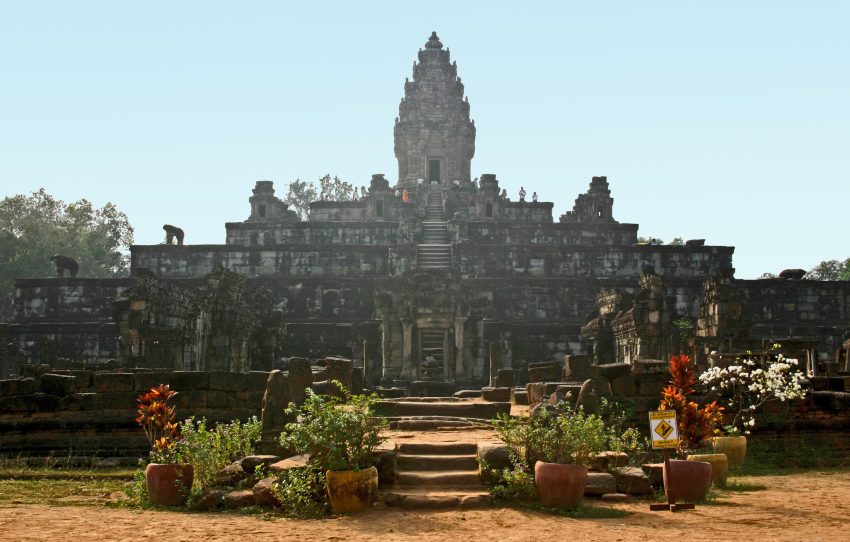
Located 13 km southeast of Siem Reap in the Roluos group of temples, Bakong is a remarkable structure built by King Indravarman I in 881. As one of the first monumental Khmer temples, it marks a pivotal point in the development of the classic temple-mountain style, which later influenced iconic structures like Angkor Wat. Although Bakong requires an Angkor ticket for entry, it is a worthy half-day excursion, often visited alongside the nearby Preah Ko and Lolei temples. A full-day tour could include a boat trip to the Tonle Sap stilt village or a visit to other eastern Angkor temples like Chau Srei Vibol and Phnom Bok.
Architecture and Layout
Bakong is surrounded by an impressive moat and enclosure, although much of the original outer wall has disappeared over time. The second, well-preserved moat near the entrance is still an awe-inspiring sight. Visitors access the temple via a causeway guarded by large seven-headed serpent Nagas. The inner enclosure features four cardinal gates called Gopurams, two chapels, and several square buildings, including later additions that testify to the ongoing use of Bakong even after the capital moved to Angkor. The temple’s layout and surrounding structures provide a glimpse into both the architectural innovations and religious practices of the Khmer Empire.
The Central Temple-Mountain
At the heart of Bakong stands the central temple-mountain, a pyramid-shaped structure built from sandstone blocks. With a base of 67 meters by 65 meters and a height of 14 meters, the pyramid’s tiers progressively narrow to create a sense of false perspective, making it appear taller than it is. Each tier is decorated with statues, including elephants and bas-reliefs that depict mythical figures and creatures such as Naga serpents, Garuda birds, and Rakshasa demons. The structure was designed to represent Mount Meru, the mythical center of the universe in Hindu cosmology, with each tier symbolizing a different level of divine beings.
Historical and Artistic Significance
Bakong's artistic and architectural contributions were groundbreaking for the Khmer Empire. The five levels of the temple correspond to the five realms of Mount Meru, with smaller sandstone towers once housing Lingams. The temple's most notable bas-reliefs are among the earliest examples of Khmer stone carving, depicting scenes such as Ashura demons in battle. The central Prasat, later added in the Angkor Wat style during the 12th century, replaced the original Prasat that housed a Shiva Lingam, a symbol of the king's imperial power. The Bakong temple not only marks the beginning of Khmer temple-mountain architecture but also served as a template for many future temples, including Angkor Wat.
Best Time to Visit
For an optimal experience, it is best to visit Bakong early in the morning or late in the afternoon when the light is softer, and the temple is less crowded. The site is part of the Roluos group of temples, and like the other temples in the area, requires an Angkor ticket for entry. A visit to Bakong provides an excellent introduction to the monumental architecture of the Khmer Empire and is a perfect way to begin a deeper exploration of Angkor.
What Other Travellers Say...

Bakong Temples, set in the Roluos plains near Prasat Bakong, is an imposing early Khmer sandstone temple mountain with a stepped, five-tiered pyramid, ornate carvings and guardian sculptures; visitors praise its serene, atmospheric feel, often less crowded than larger Angkor sites, and note the surviving brick sanctuaries, laterite walls and nearby active Buddhist monastery that add to the sense of exploring the origins of Angkorian architecture as you wander causeways and terraces.


The Bakong Temple appears in our Complete Guide to Visiting Siem Reap!

Moira & Andy
Hey! We're Moira & Andy. From hiking the Camino to trips around Europe in Bert our campervan — we've been traveling together since retirement in 2020!
This website uses affiliate links which may earn a commission at no additional cost to you!
Nearby Attractions
- Prasat Kravan (12.3) km
Hindu Temple - Pre Rup Temple (12.4) km
Buddhist Temple - Pre Rup Temple (12.4) km
Hindu Temple - Srah Srang & Kandal Srah Srang (12.8) km
Historic Site and Reservoir - Banteay Kdei (13.3) km
Buddhist Temple - East Mebon Temple (13.6) km
Buddhist Temple - Ta Prohm (Tomb Raider Temple) (14.3) km
Buddhist Temple - Angkor Wat (14.4) km
Buddhist Temple - Phnom Bok (14.5) km
Buddhist Temple - Ta Prohm Kel (15.3) km
Buddhist Temple