Anne Frank House, Amsterdam
Historic Site, Memorial and Museum in Amsterdam
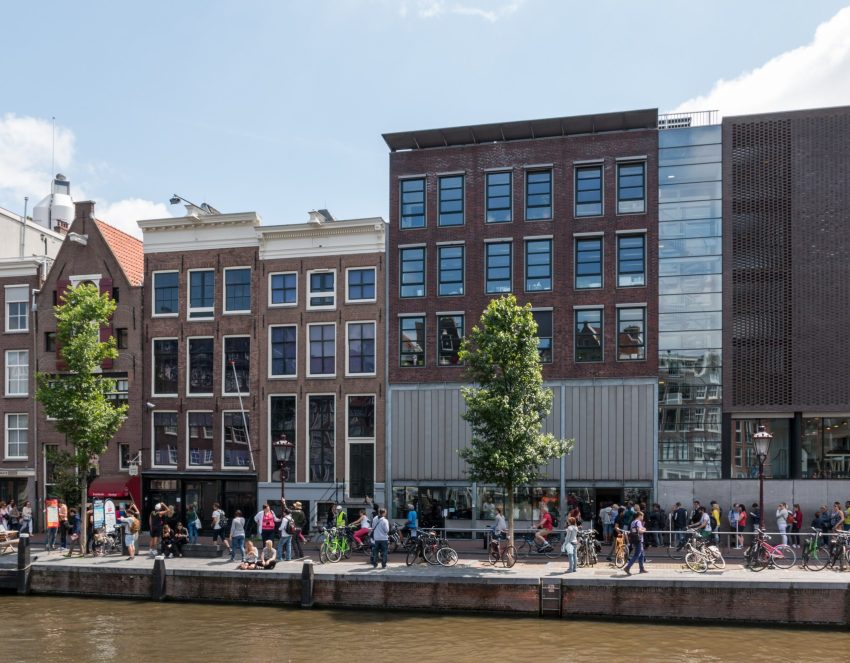
The Anne Frank House (Anne Frank Huis) is one of Amsterdam's most moving museums, set on the Prinsengracht canal in the city center. This is the historic canal house where Anne Frank, her family, and four others hid during World War II, and where Anne wrote much of her diary.
Even if you're exploring Amsterdam on a walking tour of the Jordaan and canal belt, the Anne Frank House stands out as a must-see stop for its emotional impact and carefully presented context. Pair it with nearby highlights like the Westerkerk and a stroll along the Prinsengracht for one of the most memorable walks in the city.
Table of Contents
- History and Significance of the Anne Frank House
- Things to See and Do in the Anne Frank House
- How to Get to the Anne Frank House
- Practical Tips on Visiting the Anne Frank House
- Where to Stay Close to the Anne Frank House
- Is the Anne Frank House Worth Visiting?
- For Different Travelers
- FAQs for Visiting Anne Frank House
- Nearby Attractions to the Anne Frank House
History and Significance of the Anne Frank House
The Anne Frank House preserves the real place where Anne Frank and seven others lived in hiding for more than two years during the Nazi occupation of the Netherlands. The museum focuses on the human reality behind the history: the cramped rooms, the constant fear of discovery, and the everyday routines that made survival possible.
What makes this site especially significant is that it connects a world-famous story to a physical space you can actually walk through. The preserved rooms and the Secret Annex help visitors understand the scale of what “hiding” meant, while the museum’s exhibitions broaden the story into the wider context of antisemitism, persecution, and the Holocaust.
Beyond its historical importance, the Anne Frank House is also a place of reflection. It's designed to encourage visitors to think about discrimination and human rights in the present day, not only the past.
Things to See and Do in the Anne Frank House
The central experience is moving through the museum and into the Secret Annex itself. The rooms are intentionally kept sparse, which makes the space feel even more intimate and real, and helps you focus on the story rather than objects.
As you progress, you’ll encounter interpretive displays that explain who lived in the Annex, who helped them, and how daily life worked behind the hidden entrance. The museum’s audio guide is a key part of the visit, adding context without overwhelming the quiet, reflective atmosphere.
Take time in the exhibition areas after the Annex to absorb the broader historical background and the museum’s themes around freedom, identity, and the consequences of hatred. Many visitors find this section helps them process what they’ve just seen.
How to Get to the Anne Frank House
The nearest major airport is Amsterdam Airport Schiphol (AMS), with extensive international connections and fast links into the city center. For the best deals and a seamless booking experience, check out these flights to Amsterdam on Booking.com.
From Schiphol, trains run frequently to Amsterdam Centraal, and from there it's easy to continue on foot or by tram into the canal belt and Jordaan area. Train tickets and schedules are available directly through NS Dutch Railways and NS International for international services. However, for a smoother experience, we recommend using Omio, which simplifies the booking process and lets you compare prices and schedules all in one place.
If you’re traveling by car, consider parking outside the tight city center and continuing by public transport, as central driving and parking can be slow and expensive.
Practical Tips on Visiting the Anne Frank House
- Official website: https://www.annefrank.org/en/
- Entrance fee: Adults: €16.50; Ages 10–17: €7.00; Ages 0–9: €1.00 (includes €1.00 booking fee).
- Opening hours: Daily: 09:00–22:00.
- Best time to visit: Aim for a weekday and an early or late time slot for a calmer feel, especially in peak spring and summer travel months.
- How long to spend: Plan for about 1–1.5 hours inside, plus extra time if you want to sit with the exhibits afterward.
- Accessibility: The historic canal house layout includes narrow passages and stairs, so accessibility can be limited; check the museum’s accessibility details before booking.
- Facilities: Expect essential visitor facilities, including restrooms and a museum shop; arrive a bit early to get oriented before your timed entry.
Where to Stay Close to the Anne Frank House
Base yourself in the Jordaan or the central canal belt for the easiest walks to the Anne Frank House, great cafés, and classic Amsterdam scenery.
Pulitzer Amsterdam A standout canal-house hotel that feels quintessentially Amsterdam, with an excellent location for walking to the museum and exploring the Jordaan.
The Hoxton, Amsterdam Stylish and social without being chaotic, and well placed for canal walks, dining, and an easy stroll to Westermarkt.
Kimpton De Witt Amsterdam A comfortable, design-forward option closer to Amsterdam Centraal, ideal if you're arriving by train and want quick connections.
Hotel Estheréa Warm, classic interiors and a central canal location that makes it easy to combine the Anne Frank House with other top museums and neighborhoods.
INK Hotel Amsterdam – MGallery A boutique pick with a polished feel and a very central base, great for travelers who want to sightsee on foot and keep logistics simple.
Is the Anne Frank House Worth Visiting?
Yes, it’s absolutely worth visiting if you want a deeper, more personal understanding of Anne Frank’s story and the reality of hiding during the Holocaust. The experience is powerful precisely because it’s grounded in a real place, and most travelers leave feeling they’ve visited something genuinely important.
Honest Pivot: If you’re looking for a light, entertainment-focused museum day, or if you’re traveling with very young children who may find the themes upsetting, you may prefer to skip it and choose a different cultural stop. It’s also not ideal for travelers who dislike timed-entry planning, since tickets must be booked in advance.
What Other Travellers Say...

Museum house where A e Frank & her family hid from the Nazis in a secret a ex, during WWII.


For Different Travelers
The Anne Frank House can fit many itineraries, but it's not a “pop in for five minutes” attraction. It rewards visitors who arrive prepared, take their time, and give the experience space.
Families with Kids
For families, this visit tends to work best with older children and teens who can engage with the historical context and emotional weight. Framing the visit beforehand helps, especially if kids have read an age-appropriate version of Anne’s story.
Inside, keep expectations realistic: the space is narrow and the flow is structured, so it’s not a place for running around or frequent breaks. Plan a calm, comforting activity afterward, like a canal walk or a café stop.
Couples & Romantic Getaways
While not a “romantic” attraction, it can be a meaningful shared experience for couples who enjoy history and reflective travel. Visiting together often leads to deeper conversations about the city and its wartime past.
Balance the emotional intensity by pairing it with something gentle nearby, such as a sunset canal stroll through the Jordaan or a quiet dinner in the neighborhood.
Budget Travelers
Budget travelers will appreciate that the Anne Frank House is a high-impact experience that doesn't require extra add-ons to feel complete. The museum's core visit is the main event, and you can build a full day around free canal walks and neighborhood exploring.
To keep costs down, plan your route on foot, bring a refillable water bottle, and choose affordable nearby cafés rather than touristy sit-down spots right at peak times.
History Buffs
For history buffs, this is one of Europe’s most essential WWII-related sites because it connects macro history to a specific, preserved place. The museum’s interpretive materials help situate the Annex within the broader persecution of Jews in the Netherlands.
Consider pairing it with other WWII and Jewish history sites in Amsterdam to deepen the context, and give yourself time afterward to reflect rather than rushing to the next attraction.
FAQs for Visiting Anne Frank House
Getting There
Tickets & Entry
Visiting Experience
Tours, Context & Itineraries
Photography
Accessibility & Facilities
Food & Breaks Nearby
Safety & Timing
Nearby Attractions to the Anne Frank House
- Westerkerk: A landmark church next door with a striking tower that anchors the Westermarkt area.
- Jordaan: A charming neighborhood of canals, boutiques, and cafés that’s ideal for wandering on foot.
- The Nine Streets (De Negen Straatjes): A compact shopping-and-canal area with independent stores and great coffee stops.
- Amsterdam Canal Ring: The UNESCO-listed canals nearby are perfect for a scenic walk or a canal cruise.
- Dam Square: A central landmark area with major sights and easy connections to the rest of the city.
The Anne Frank House appears in our Complete Guide to Visiting Amsterdam!

Moira & Andy
Hey! We're Moira & Andy. From hiking the Camino to trips around Europe in Bert our campervan — we've been traveling together since retirement in 2020!
This website uses affiliate links which may earn a commission at no additional cost to you!
Planning Your Visit
Daily: 09:00-22:00.
Adults: €16.50; Ages 10-17: €7.00; Ages 0-9: €1.00 (includes €1.00 booking fee).
Nearby Attractions
- Koninklijk Paleis (0.6) km
Historic Building, Historic Site and Palace - Dam Square (0.6) km
Attraction, Historic Site and Square - Oude Kerk Amsterdam (1.0) km
- Amsterdam Centraal (1.1) km
Historic Building, Railway and Train Station - Amsterdam Museum (1.6) km
Museum - Zaanse Schans (11.6) km
Museum - Muiderslot Castle (13.5) km
Castle - Keukenhof Gardens (25.7) km
Gardens - Castle De Haar (29.1) km
Castle - Slot Loevestein (62.8) km
Castle
