Amsterdam Museum
Museum in Amsterdam
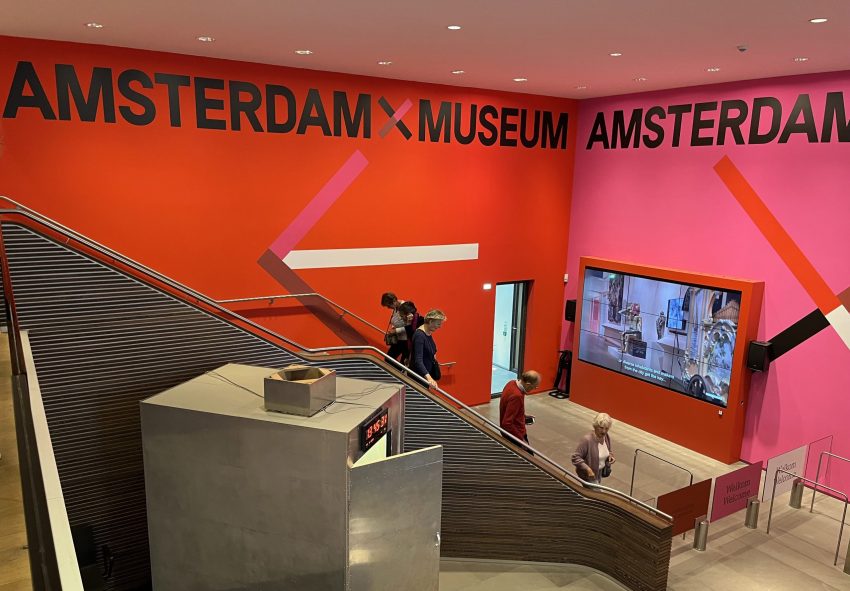
The Amsterdam Museum is the city's go-to place for understanding Amsterdam beyond the postcard views: its people, neighborhoods, social movements, and the everyday stories that shaped the canals, trade routes, and modern culture. In recent years the museum has operated across multiple sites, so a visit often feels like a curated “choose your own chapter” of Amsterdam rather than a single, one-building experience.
Because it sits right in the historic center (and its locations connect naturally with the Canal Ring), it's an easy add-on to a walking tour of Amsterdam's old streets, courtyards, and waterways. Pair it with a stroll through the Grachtengordel, a quick stop at a nearby canal bridge for photos, and you'll have one of the most context-rich museum breaks in the city.
Table of Contents
- History and Significance of the Amsterdam Museum
- Things to See and Do in the Amsterdam Museum
- How to Get to the Amsterdam Museum
- Practical Tips on Visiting the Amsterdam Museum
- Where to Stay Close to the Amsterdam Museum
- Is the Amsterdam Museum Worth Visiting?
- For Different Travelers
- FAQs for Visiting Amsterdam Museum
- Nearby Attractions to the Amsterdam Museum
History and Significance of the Amsterdam Museum
The Amsterdam Museum exists to tell Amsterdam's story in a way that goes beyond “Golden Age greatest hits.” Its focus is the city as a living place: how Amsterdam grew from a small settlement into a global trading hub, how migration and religion shaped neighborhoods, and how civic life evolved through centuries of change.
A key part of its significance is that it treats Amsterdam’s history as layered and sometimes contested. You’ll see themes like wealth and inequality, colonial connections, protest culture, and the city’s constant reinvention placed alongside more familiar heritage touchpoints.
Today, the museum’s multi-location setup means the story is spread across different settings, which can actually deepen the experience: a canal house visit feels intimate and domestic, while other presentations lean more contemporary and citywide.
Things to See and Do in the Amsterdam Museum
Start by deciding what kind of Amsterdam you want to meet. If you're drawn to interiors and atmosphere, the museum's canal-house experience is a standout: period rooms, details you'd miss from the street, and a sense of how the city's wealth and taste showed up at home.
If you're more interested in the city as it moves and changes, look for the museum's more modern, narrative-driven presentations and rotating exhibitions. These tend to connect historical themes to present-day Amsterdam, making it a strong choice even if you've already done the “big three” museums.
To make it feel like a cohesive visit, treat it as a mini-itinerary: museum first for context, then a self-guided walk through the Canal Ring to spot the architecture, bridges, and street patterns you’ve just learned about.
How to Get to the Amsterdam Museum
Most international visitors arrive via Amsterdam Airport Schiphol (AMS); Rotterdam The Hague Airport (RTM) can also work for some routes, but Schiphol is the main hub for the city. For the best deals and a seamless booking experience, check out these flights to Amsterdam on Booking.com.
From Schiphol, trains run directly to Amsterdam Centraal, and from there you can connect easily by tram, metro, or a short taxi ride depending on which museum location you're visiting. Train tickets and schedules are available directly through NS Dutch Railways and NS International for international services. However, for a smoother experience, we recommend using Omio, which simplifies the booking process and lets you compare prices and schedules all in one place.
If you’re driving, expect limited access and expensive parking in the center; it’s usually best to park at a P+R on the outskirts and continue by public transport.
Practical Tips on Visiting the Amsterdam Museum
- Official website: https://www.amsterdammuseum.nl/en
- Entrance fee: Adults: €15; Students/CJP: €7.50; Under 18: free.
- Opening hours: Daily: 10:00–17:00.
- Best time to visit: Aim for a weekday morning for the calmest galleries, then follow up with a canal walk while the streets are still relatively quiet.
- How long to spend: Plan 1–2 hours for a focused visit, or half a day if you’re combining a museum location with a slow Canal Ring wander and nearby stops.
- Accessibility: Accessibility varies by location; historic canal houses may have stairs and limited step-free access, so check the specific site details before you go.
- Facilities: Expect typical museum basics like restrooms and a small shop at main visitor sites; for a longer break, nearby cafés in the Canal District are often the most convenient.
Where to Stay Close to the Amsterdam Museum
The best area to base yourself is the Canal Ring (Grachtengordel) for walkability to museums, canals, and classic Amsterdam streets.
Eden Hotel Amsterdam A reliable central option near the Amstel with easy access to museum sites and a straightforward walk into the historic core.
citizenM Amstel Amsterdam A modern, design-forward stay that’s great if you want smart rooms and quick transit links while still being close to the center.
Hotel Estheréa A classic canal-house style hotel with a cozy, boutique feel that matches the atmosphere of central Amsterdam.
Kimpton De Witt Amsterdam A polished, full-service choice near Amsterdam Centraal that works well if you're balancing museums with day trips by train.
Pulitzer Amsterdam A splurge-worthy canal-side stay with strong sense of place, ideal if you want your hotel to feel like part of the Amsterdam story.
Is the Amsterdam Museum Worth Visiting?
Yes, especially if you want context for what you're seeing on the streets. The Amsterdam Museum is less about a single “must-see masterpiece” and more about understanding the city's identity, which makes the rest of your trip feel richer.
Honest Pivot: If you only have one museum slot and you’re chasing world-famous art, you may be happier prioritizing the Rijksmuseum or Van Gogh Museum. Also, if you strongly prefer one large, all-in-one museum building, the museum’s multi-location format can feel less straightforward.
What Other Travellers Say...

With only one review so far, the sentiment is strongly positive, suggesting visitors leave very satisfied. Specific recurring highlights or drawbacks aren’t clear from a single rating, so it’s best to treat this as an early signal rather than a broad consensus.
For Different Travelers
The Amsterdam Museum can flex to different travel styles because it's story-driven and centrally placed. Whether you want a quick cultural hit between canal walks or a deeper dive into how Amsterdam became Amsterdam, it's easy to shape the visit to your pace.
Families with Kids
Families will appreciate that the museum experience can be broken into manageable chunks, especially if you choose a smaller location rather than committing to a huge, all-day museum. It’s also a good “why does this city look like this?” stop before a canal cruise.
To keep kids engaged, mix the visit with a short scavenger-hunt style walk outside: bridges, gables, and canal houses become more interesting once they have a story attached.
Couples & Romantic Getaways
For couples, the museum pairs beautifully with a slow day in the Canal Ring: museum first, then coffee, then a long walk along the water. The canal-house atmosphere in particular can feel intimate and transportive.
If you’re planning a romantic itinerary, use the museum as the “context anchor,” then choose one scenic canal route to wander without a strict plan.
Budget Travelers
Budget travelers can keep this stop efficient by picking one focused museum visit and pairing it with free sightseeing outside: canals, bridges, courtyards, and neighborhood wandering. The value is in how it helps you read the city without needing constant paid attractions.
Also consider visiting during off-peak times so you can move through at your own pace and avoid feeling pressured to “get your money’s worth” in a rush.
History Buffs
History buffs will get the most out of the museum’s emphasis on civic life, social change, and the city’s evolving identity. It’s a strong complement to Amsterdam’s architecture because it connects buildings and neighborhoods to the people who lived there.
To go deeper, pair it with a walk that deliberately crosses different historical zones: medieval core, Canal Ring expansion, and a modern neighborhood edge.
FAQs for Visiting Amsterdam Museum
Getting There
Tickets & Entry
Visiting Experience
Tours, Context & Itineraries
Photography
Accessibility & Facilities
Food & Breaks Nearby
Safety & Timing
Nearby Attractions to the Amsterdam Museum
- Rijksmuseum: The Netherlands’ flagship museum for Dutch art and history, ideal if you want masterpieces alongside national context.
- Van Gogh Museum: A focused, high-impact visit for Van Gogh’s works and the story of his life.
- Anne Frank House: A powerful, time-slotted visit that adds essential WWII context to a trip.
- Begijnhof: A peaceful historic courtyard that feels like a hidden pocket of old Amsterdam.
- De 9 Straatjes (Nine Streets): A charming canal-side shopping and café area that’s perfect for wandering after museum time.
The Amsterdam Museum appears in our Complete Guide to Visiting Amsterdam!

Moira & Andy
Hey! We're Moira & Andy. From hiking the Camino to trips around Europe in Bert our campervan — we've been traveling together since retirement in 2020!
This website uses affiliate links which may earn a commission at no additional cost to you!
Planning Your Visit
Daily: 10:00-17:00.
Adults: €15; Students/CJP: €7.50; Under 18: free.
Nearby Attractions
- Oude Kerk Amsterdam (1.0) km
- Koninklijk Paleis (1.0) km
Historic Building, Historic Site and Palace - Dam Square (1.1) km
Attraction, Historic Site and Square - Amsterdam Centraal (1.4) km
Historic Building, Railway and Train Station - Anne Frank House (1.6) km
Historic Site, Memorial and Museum - Muiderslot Castle (12.0) km
Castle - Zaanse Schans (13.1) km
Museum - Keukenhof Gardens (26.4) km
Gardens - Castle De Haar (27.8) km
Castle - Slot Loevestein (61.6) km
Castle
