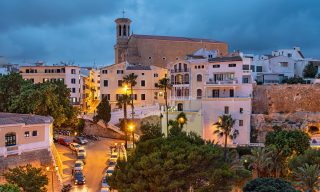
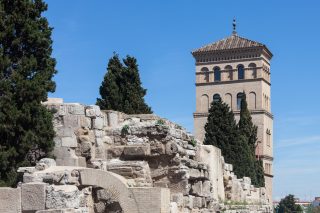
Aljafería Palace, Zaragoza
Castle, Historic Site and Palace in Zaragoza

Aljafería Palace is Zaragoza's standout monument: a fortified 11th-century Islamic palace later reshaped by Christian kings and, today, still used as the seat of Aragón's regional parliament. From the outside it reads as a robust medieval fortress; inside, it opens into delicate courtyards, carved arches, and richly decorated halls that make it one of Spain's most memorable examples of Mudéjar and Islamic-influenced design outside Andalusia.
It's an easy add-on to a Zaragoza walking tour: pair it with the historic center, the Ebro riverfront, and the city's great churches and plazas, then come here for a deep dive into the city's layered past. For the best views and photo angles, take a slow lap around the exterior walls first, then head in for the courtyard-and-halls sequence that reveals the palace's “from fortress to fairytale” contrast.
Table of Contents
- History and Significance of the Aljafería Palace
- Things to See and Do in the Aljafería Palace
- How to Get to the Aljafería Palace
- Practical Tips on Visiting the Aljafería Palace
- Where to Stay Close to the Aljafería Palace
- Is the Aljafería Palace Worth Visiting?
- For Different Travelers
- FAQs for Visiting Aljafería Palace
- Nearby Attractions to the Aljafería Palace
History and Significance of the Aljafería Palace
Built in the 11th century during the Taifa period, the Aljafería began as a fortified palace for Zaragoza’s Islamic rulers. Its original purpose was both practical and symbolic: a secure residence that also projected power through refined architecture, gardens, and ceremonial spaces.
After Zaragoza was incorporated into the Christian kingdoms, the palace evolved rather than disappearing. Successive rulers adapted it, layering Gothic and Mudéjar elements onto the earlier Islamic structure, which is why a single visit can feel like walking through several eras of Iberian history.
In modern times, the Aljafería’s significance is amplified by its living role: it houses Aragón’s parliament. That ongoing civic function is part of the experience, but it can also affect access on certain days, making it smart to plan ahead.
Things to See and Do in the Aljafería Palace
The heart of the visit is the contrast between the palace’s defensive shell and its ornate interior. Look for the horseshoe and interlacing arches, intricate plasterwork, and the way light moves across the courtyard spaces; these details are where the Aljafería quietly outshines many “bigger-name” monuments.
Don’t rush the main courtyard sequence: it’s the best place to slow down, notice symmetry and geometry, and appreciate how Islamic design principles shaped the palace’s atmosphere. If you enjoy architectural storytelling, the transitions between Islamic, Mudéjar, and later royal additions are especially rewarding.
If you can, choose a guided visit (or a structured tour option) to unlock the context behind what you’re seeing. Visitors consistently say the palace becomes far more meaningful once you understand who built it, how it changed hands, and why certain rooms look the way they do.
How to Get to the Aljafería Palace
The nearest airports are Zaragoza Airport (the closest), with larger international options in Madrid and Barcelona if you're building a broader Spain itinerary. For the best deals and a seamless booking experience, check out these flights to Zaragoza on Booking.com.
Zaragoza is well connected by train, and arriving at Zaragoza-Delicias makes it straightforward to continue into the city by local transport or taxi before heading to the palace. Train schedules and bookings can be found on Omio..
If you're traveling by car, Zaragoza is an easy drive from other Aragón towns and from major routes linking Madrid and Barcelona, but parking near the palace can be limited at peak times, so factor in time for a garage or metered street parking. If you are looking to rent a car in Spain I recommend having a look at Discover Cars, first, as they compare prices and review multiple car rental agencies for you.
Practical Tips on Visiting the Aljafería Palace
- Official website: https://reservasonline.aljaferia.com/Default.aspx?lg=en-GB
- Entrance fee: Adults: €7; Reduced: €2; Under 12: free; Guided visit: €9; Special guided visit: €12; Free entry: first Sunday of the month (all day) & first Monday of the month (afternoon).
- Opening hours: (Summer) April 1 – October 31; Daily: 10:00–14:00 & 16:30–20:00. (Winter) November 1 – March 31; Monday – Saturday: 10:00–14:00 & 16:00–18:30; Sunday: 10:00–14:00.
- Best time to visit: Aim for the first entry window of the day for calmer rooms and cleaner photos, especially in peak season. If you’re visiting in summer, late afternoon can also be pleasant once the heat eases.
- How long to spend: Plan 1.5–2 hours for a comfortable visit, longer if you’re joining a guided tour and lingering for photos.
- Accessibility: Expect some historic-building constraints (steps, uneven surfaces, narrow passages), but many key areas are manageable with assistance; check ahead if you need step-free routing.
- Facilities: There is a ticketing setup on-site and basic visitor amenities, but it’s best to use cafés and restaurants in the nearby neighborhoods before or after your visit.
Where to Stay Close to the Aljafería Palace
Base yourself in central Zaragoza for the easiest sightseeing: you'll be well placed for the old town, evening tapas, and quick transport links to the Aljafería.
NH Collection Gran Hotel de Zaragoza A polished, central classic that’s ideal if you want to walk to major sights and return to a comfortable, full-service hotel after a palace visit.
Catalonia El Pilar A strong pick for old-town charm and convenience, great for travelers who want to pair the Aljafería with historic-center wandering and tapas nights.
Hotel Palafox A reliable upscale option with a more “city hotel” feel, useful if you prioritize amenities and an easy taxi ride to the palace.
INNSiDE by Meliá Zaragoza Modern, design-forward, and well positioned for moving between the palace area and the central sights without overthinking logistics.
Hotel Alfonso A practical, central base with a classic Zaragoza location, especially good if you want a straightforward stay close to shopping streets and the old quarter.
Is the Aljafería Palace Worth Visiting?
Yes, it's absolutely worth visiting, and it's one of the clearest “don't leave Zaragoza without it” sights. The palace delivers on both beauty and substance: impressive preservation, striking architecture, and a rare chance to see a historic monument that still plays a role in public life.
Honest Pivot: if you’re not interested in history or architecture and you’re short on time, you might prefer focusing on Zaragoza’s cathedral-and-plaza highlights and a relaxed food crawl instead. Also, if your schedule is inflexible, be aware that occasional on-site activity (like filming or parliamentary restrictions) can affect the feel of the visit.
What Other Travellers Say...

Travelers rate Aljafería Palace very highly overall, praising its beautifully preserved architecture, intricate Islamic-era details, and the sense of deep history packed into a single visit. Many recommend choosing a guided visit to better understand the stories behind the rooms and the palace's changing role over time, and several note it works well even on a rainy day. Common downsides include occasional disruptions or restricted areas (for example, filming or official activity) and some confusion about whether advance tickets are necessary.


For Different Travelers
The Aljafería works well as a “single big sight” day anchor: it’s compact enough not to exhaust you, but layered enough to reward curiosity. The key is choosing the right visit style for your pace, whether that’s guided context or a slow, photo-focused wander.
Families with Kids
For families, the fortress-like exterior and courtyard spaces make the visit feel like stepping into a real-life castle. Kids often engage more when you frame it as a story of different cultures and rulers leaving their mark.
To keep energy up, plan a clear start time and a simple “treasure hunt” approach: arches, patterns, shields, and courtyards. A guided visit can help, but choose one that matches your children’s attention span.
Couples & Romantic Getaways
Couples will love the contrast between the rugged walls and the delicate interior details, especially in quieter morning slots. The courtyards and ornate rooms create a naturally slow, atmospheric visit that feels special without being overly crowded.
Pair it with a sunset walk along the Ebro or an evening in the old town for tapas and wine. It's an easy way to turn a single monument visit into a full, romantic Zaragoza day.
Budget Travelers
Budget travelers get excellent value here because the experience feels premium even if you keep the rest of the day simple. You can combine the palace with free wandering in the historic center and a low-cost tapas route.
To avoid wasted time, plan your timing carefully and consider reserving ahead if you’re visiting on a weekend or holiday. If you’re watching every euro, prioritize the core palace visit and skip extras unless you’re sure they add value for you.
History Buffs
History lovers will appreciate how clearly the Aljafería shows political and cultural change over time, from Taifa-era ambition to later Christian royal additions and modern governance. It’s a rare site where the “timeline” is visible in the building itself.
A guided visit is especially worthwhile for understanding what you’re seeing and why it matters. Bring a notebook mindset: names, dates, and architectural clues come alive when you connect them to Aragón’s broader story.
FAQs for Visiting Aljafería Palace
Getting There
Tickets & Entry
Visiting Experience
Tours, Context & Itineraries
Photography
Accessibility & Facilities
Food & Breaks Nearby
Safety & Timing
Nearby Attractions to the Aljafería Palace
- Basilica of Our Lady of the Pillar: Zaragoza's iconic landmark and a must for architecture, art, and city atmosphere.
- La Seo Cathedral (Cathedral of the Savior): A layered cathedral complex showcasing Zaragoza's long religious and artistic history.
- Plaza del Pilar: The city's grand central square, ideal for people-watching and connecting multiple top sights on foot.
- El Tubo: A lively tapas area where you can sample classic Zaragoza bites after sightseeing.
- Puente de Piedra (Stone Bridge): A scenic crossing with excellent views back toward the basilica and the Ebro riverfront.
The Aljafería Palace appears in our Complete Guide to Visiting Zaragoza!

Moira & Andy
Hey! We're Moira & Andy. From hiking the Camino to trips around Europe in Bert our campervan — we've been traveling together since retirement in 2020!
This website uses affiliate links which may earn a commission at no additional cost to you!
Planning Your Visit
(Summer) April 1 - October 31; Daily: 10:00-14:00 & 16:30-20:00.
(Winter) November 1 - March 31; Monday - Saturday: 10:00-14:00 & 16:00-18:30; Sunday: 10:00-14:00.
Adults: €7; Reduced: €2; Under 12: free; Guided visit: €9; Special guided visit: €12; Free entry: first Sunday of the month (all day) & first Monday of the month (afternoon).
Nearby Attractions
- Zaragoza Central Market (1.1) km
Bazaar, Historic Building and Market - Roman Walls of Zaragoza (1.2) km
- Calle Alfonso I (1.4) km
Area, Street and Walk - Church of Santa Engracia de Zaragoza (1.4) km
Basilica, Church and Religious Building - El Tubo (1.4) km
Area, Street and Walk - Plaza del Pilar (1.5) km
Attraction and Square - Torre Del Pilar Mirador (1.5) km
Religious Building, Tower and Viewing Point - Cathedral-Basilica of Our Lady of the Pillar (1.5) km
Basilica, Cathedral and Religious Building - Goya Museum - Ibercaja Collection (1.6) km
Arts Venue, Gallery and Museum - Museo del Teatro de Caesaraugusta (1.7) km
Museum, Roman Site and Theatre