National History Museum, Tirana
Museum in Tirana
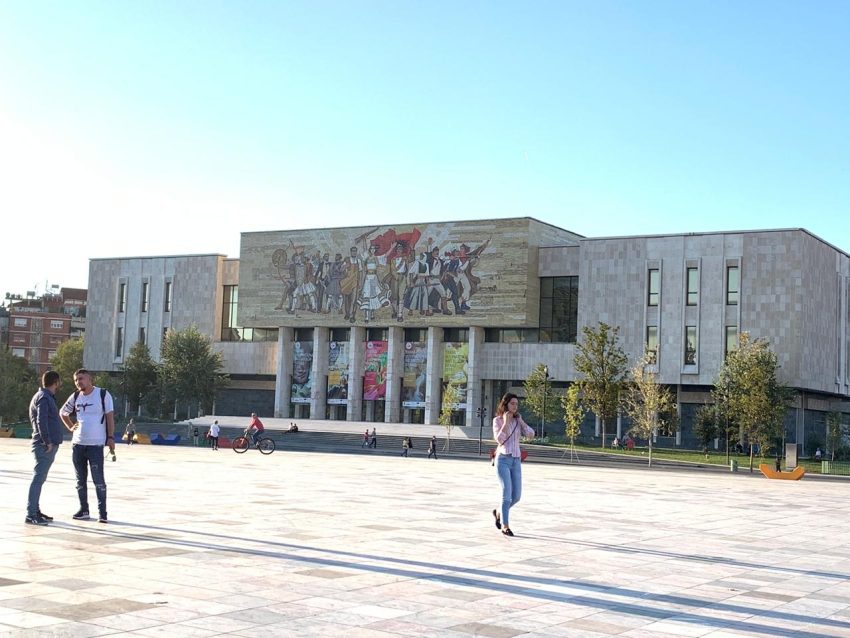
The National Historical Museum dominates Skanderbeg Square, both architecturally and symbolically, as Albania's premier cultural institution. Its façade is adorned with a striking mosaic mural called “The Albanians,” depicting proud and resilient figures from Illyrian warriors to 20th-century partisans-a visual story of national identity and endurance. For visitors arriving at the heart of Tirana, this monumental building offers a compelling introduction to the country's layered past, making it one of the top attractions in Tirana.
Inside, the museum unfolds Albania's history across millennia, from prehistoric artifacts and classical antiquities to medieval treasures and modern political movements. It's a great place to visit on a walking tour of Tirana, inviting travelers to step away from the busy square and explore the stories that shaped the nation.
Table of Contents
- History and Significance of the National Historical Museum
- Things to See and Do in the National Historical Museum
- How to Get There
- Practical Tips on Visiting the National Historical Museum
- Is the National Historical Museum Worth Visiting?
- FAQs for Visiting the National Historical Museum
- Nearby Attractions to the National Historical Museum
History and Significance of the National Historical Museum
Opened in 1981, the National Historical Museum was designed to reflect Albania's national narrative in a single, cohesive space. Its architectural grandeur and central location make it a symbolic anchor for Skanderbeg Square and the country's cultural identity. The mosaic mural “The Albanians” above the entrance remains one of the most recognizable icons of Tirana, portraying figures representing strength, struggle, and unity through the ages.
The museum’s galleries chronologically chart Albania’s evolution-from ancient Illyrian and Greek influences through Roman occupation, the rise of Christianity, Ottoman rule, and the struggle for independence. A special emphasis is placed on national heroes such as Gjergj Kastrioti Skanderbeg, whose legendary sword is replicated here, reminding visitors of the spirit that forged the Albanian state.
Things to See and Do in the National Historical Museum
The museum's exhibits are arranged into several thematic pavilions, each illuminating a distinct era or aspect of Albanian life. The Archaeology Pavilion houses relics from the Bronze and Iron Ages, while the Middle Ages Pavilion showcases Byzantine icons and church artifacts. The Independence Pavilion tells the story of the 1912 declaration of Albanian independence in Vlorë, offering valuable insights into the nation's rebirth.
Among the most moving sections is the Pavilion of Communist Terror, a stark reminder of the human cost of dictatorship. Dedicated to those persecuted under Enver Hoxha’s regime, it displays prison uniforms, photographs, and personal belongings of the victims. Although limited English translations are available, the emotional impact of the exhibits transcends language barriers. Elsewhere, visitors can explore galleries focused on ethnography, iconography, and the post-communist transition-creating a full panorama of Albania’s historical journey.
How to Get There
The National Historical Museum sits directly on Skanderbeg Square in the center of Tirana, easily accessible on foot from most major attractions and hotels. Buses and taxis stop nearby, and parking is available along the surrounding streets. If you are looking to rent a car in Albania I recommend having a look at Discover Cars, first, as they compare prices and review multiple car rental agencies for you.
Travelers arriving from Tirana International Airport can reach the museum in about 25 minutes by taxi or airport shuttle. For the best deals and a seamless booking experience, check out these flights to Tirana on Booking.com. While Tirana lacks an active train network, the central bus terminal provides convenient connections from other Albanian cities.
Practical Tips on Visiting the National Historical Museum
- Best time to visit the National Historical Museum: Morning or late afternoon for quieter visits.
- Entrance fee in Euros: Around €5 for adults; discounts for students and groups.
- Opening hours: 9:00 a.m. to 5:00 p.m. (closed Mondays).
- Official website: Listed under the Albanian Ministry of Culture.
- How long to spend: 1-2 hours to explore the main galleries.
- Accessibility: Wheelchair-accessible entrances and elevators available.
- Facilities: Restrooms, café, and gift shop on-site.
- Photography tip: Capture the mosaic mural “The Albanians” from across the square for the best angle.
- Guided tours: Available in English and French; inquire at reception.
- Nearby food options: Numerous cafés and restaurants around Skanderbeg Square.
Is the National Historical Museum Worth Visiting?
Yes, absolutely. The National Historical Museum is one of the must-see places in Tirana and an essential stop for understanding Albania's past and present. Its vast collection, compelling storytelling, and iconic architecture make it a cornerstone of any cultural itinerary. Whether you're drawn to archaeology, art, or political history, the museum provides context and depth to Albania's national identity.
What Other Travellers Say...

Albania’s largest museum, recognizable by the giant mosaic on its facade, detailing the country’s history from antiquity to the post-communist era.


FAQs for Visiting the National Historical Museum
Nearby Attractions to the National Historical Museum
- Skanderbeg Square - Tirana's central plaza surrounded by key landmarks and government buildings.
- Et'hem Bey Mosque - A historic Ottoman mosque with beautiful interior frescoes.
- Clock Tower of Tirana - Offers panoramic views of the square and cityscape.
- Bunk'Art 2 - A fascinating museum inside a Cold War bunker dedicated to Albania's secret police history.
- Rinia Park - A nearby green escape with cafés, fountains, and walking paths.
The National History Museum appears in our Complete Guide to Visiting Tirana!

Moira & Andy
Hey! We're Moira & Andy. From hiking the Camino to trips around Europe in Bert our campervan — we've been traveling together since retirement in 2020!
This website uses affiliate links which may earn a commission at no additional cost to you!
Planning Your Visit
9am-7pm
200 lekë
Nearby Attractions
- Hotel Dajti (0.2) km
Historic Building - Palace of Culture (0.2) km
Notable Building - Skanderbeg Square (0.2) km
Square - Et’hem Bey Mosque (0.2) km
Mosque - Clock Tower In Tirana (0.3) km
Tower - House of Leaves (0.3) km
Museum - Bunk'Art 2 (0.3) km
Historic Building and Museum - Kapllan Pasha's Tomb (0.4) km
Monument - Statue of the Unknown Partisan (0.4) km
Monument - National Art Gallery (0.4) km
Gallery