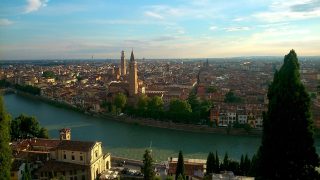
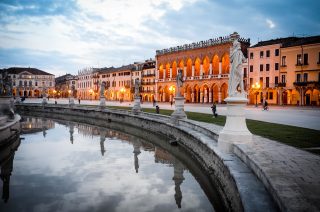
Padova, Italy: The Ultimate Travel Guide 2026

Padova or in English Padua is a city in North Eastern Italy, and the capital of the province of the same name. It is located centrally in the Veneto region, between Venice on one side and Verona on the other.
Famous as the backdrop for Shakespeare’s “The Taming of the Shrew,” Padua is particularly distinguished for its 14th-century Scrovegni Chapel adorned with emotionally resonant frescoes by Giotto. Another notable feature is the expansive Prato della Valle, Italy’s largest square. Established in 1222, Padua University stands as one of the world’s oldest and holds a revered status among scholars as the birthplace of modern medicine.
TIP: If you are visiting Padua for just a day and want to make the most of your visit, you may want to consider taking a walking tour with a local guide. This is one of the most complete and best-rated city tours that covers the main, must-see attractions in about 3 hours. If you prefer exploring at your own pace read our Self-Guided Walking Tour of Padua (with Maps!)
Table of Contents
- History of Padova
- 20 Best places to See in Padova
- Palazzo Bo
- Palazzo della Ragione
- Cafe Pedrocchi
- MUSME - Museum of the History of Medicine
- Torre dell'Orologio
- Piazza dei Signori
- Duomo di Padova
- Chiesa degli Eremitani
- Roman Arena of Padua
- Palazzo Zuckermann
- Piazza del Santo
- Ponte Molino
- Musei Civici di Padova
- Cappella degli Scrovegni
- Basilica di Sant'Antonio
- Giardini dell’Arena
- La Specola
- Orto Botanico
- Prato della Valle
- Riviera del Brenta
- 11 Best Day Trips from Padova
- Where to Stay in Padova
- Best Time to Visit Padova
- How to get to Padova
History of Padova
Padua in Ancient Times: Myth and Roman Glory
Padua, or Padova, is steeped in ancient legend and classical heritage. According to tradition, the city was founded by Antenor, a Trojan prince who fled after the fall of Troy. Archaeological evidence, however, shows that the area was inhabited by the Veneti people as early as the 12th century BCE. In the 3rd century BCE, Padua allied with Rome and soon became a flourishing Roman municipality. It gained prominence as a commercial and cultural center, known for its wool and horse breeding industries. During this time, Padua developed a dense urban layout and impressive structures, including amphitheaters and baths. The Roman writer Livy, one of Padua’s most famous sons, was born here in 59 BCE.
Padua in the Middle Ages: Faith and Knowledge
After the collapse of the Western Roman Empire, Padua was invaded and ruled by various powers, including the Goths, Lombards, and Franks. The early medieval period was turbulent, with the city suffering from raids and fire. However, Padua gradually rebuilt itself as a center of religion and learning. In 1222, the University of Padua was founded, quickly becoming one of Europe’s leading intellectual institutions, attracting scholars such as Galileo Galilei. The construction of the Basilica of Saint Anthony in the 13th century turned Padua into a significant pilgrimage site. During the 14th century, the city came under the rule of the Carraresi family, who promoted the arts and fortified the city’s defenses.
Padua in the Renaissance: Under the Venetian Republic
In 1405, Padua became part of the Republic of Venice, marking the start of a long period of relative peace and prosperity. Under Venetian rule, Padua continued to thrive as a university city and maintained its status as a cultural beacon. The Renaissance period saw the embellishment of the city with elegant architecture, frescoed chapels, and stately palaces. The Scrovegni Chapel, painted by Giotto around 1305, gained renewed attention for its artistic significance. During this time, Padua was also a hub for scientific advancement, with the university expanding its influence in the fields of medicine, astronomy, and philosophy.
Padua in the Modern Era: From Napoleon to Today
The fall of the Venetian Republic in 1797 brought Padua under Napoleonic and then Austrian control. In the 19th century, the city experienced industrialization and was eventually annexed into the Kingdom of Italy in 1866. Padua played a role in both World Wars, suffering damage particularly during the Second World War, though many historic structures were preserved or restored. In the decades that followed, the city expanded and modernized while continuing to celebrate its deep historical roots. Today, Padua is recognized for its academic excellence, vibrant cultural life, and unique blend of medieval, Renaissance, and modern elements that reflect its long and complex history.

Moira & Andy
Hey! We're Moira & Andy. From hiking the Camino to trips around Europe in Bert our campervan — we've been traveling together since retirement in 2020!
Visiting Padova for the first time and wondering what are the top places to see in the city? In this complete guide, I share the best things to do in Padova on the first visit. To help you plan your trip, I have also included an interactive map and practical tips for visiting!
This website uses affiliate links which earn a small commission at no additional cost to you.
20 Best places to See in Padova
This complete guide to Padova not only tells you about the very best sights and tourist attractions for first-time visitors to the city but also provide insights into a few of our personal favorite things to do.
This is a practical guide to visiting the best places to see in Padova and is filled with tips and info that should answer all your questions!
1. Palazzo Bo
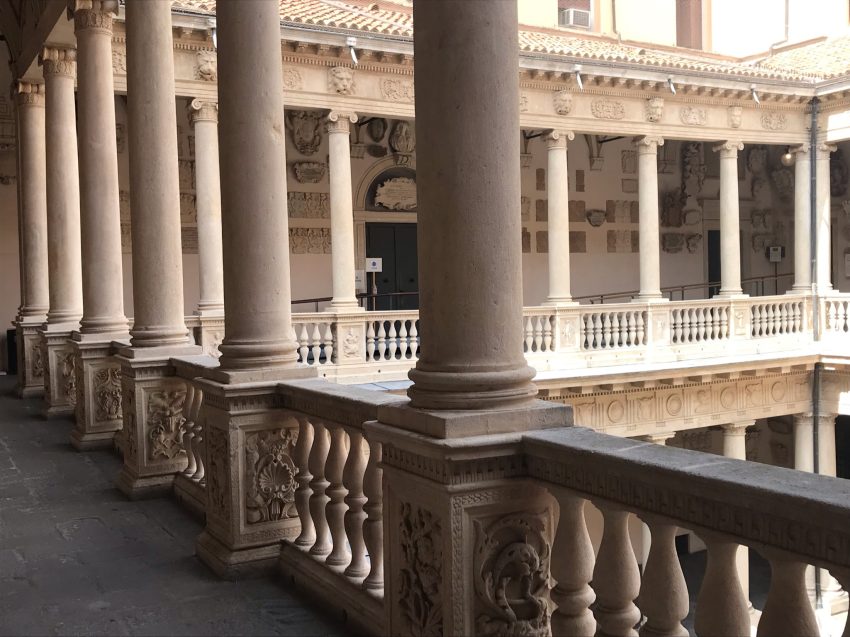
Location: Palazzo Bo, Via VIII Febbraio, Padua, Province of Padua, Italy | Hours: Guided tours. Monday to Friday: 10:30 am (Italian) – 11:30 am (English) – 12:30 pm (Italian) - 3:30 pm (Italian) - 4:30 pm (English) – 5:30 pm (Italian) | Price: Adult: €8.00 | Website | Distance: 0.1km

2. Palazzo della Ragione
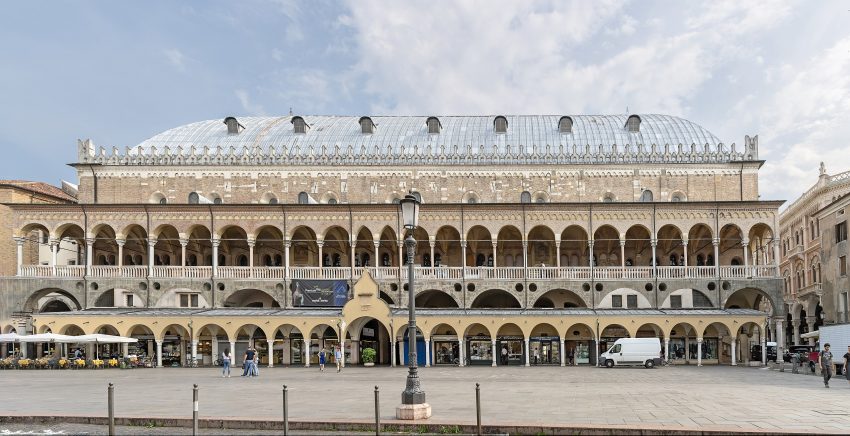
Location: Palazzo della Ragione, Piazza delle Erbe, Padua, Province of Padua, Italy | Hours: Daily: 9:00-19:00 | Price: Adults: €7.00 | Website | Distance: 0.1km
3. Cafe Pedrocchi
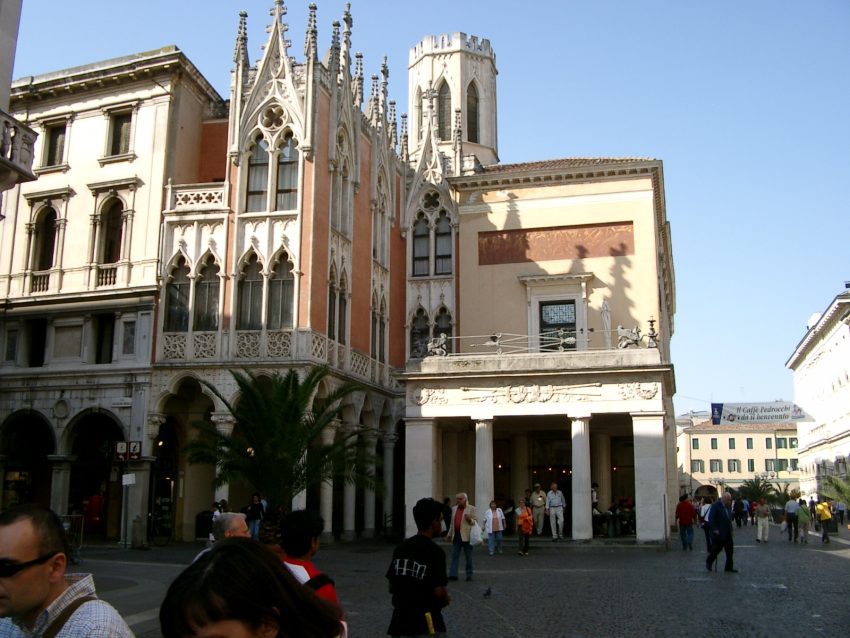
Location: Caffè Pedrocchi, Via VIII Febbraio, Padua, Province of Padua, Italy | Hours: 8.00am to Middnight | Price: There is no entrance fee; you simply pay for what you order in the café or restaurant. | Website | Distance: 0.2km
4. MUSME - Museum of the History of Medicine
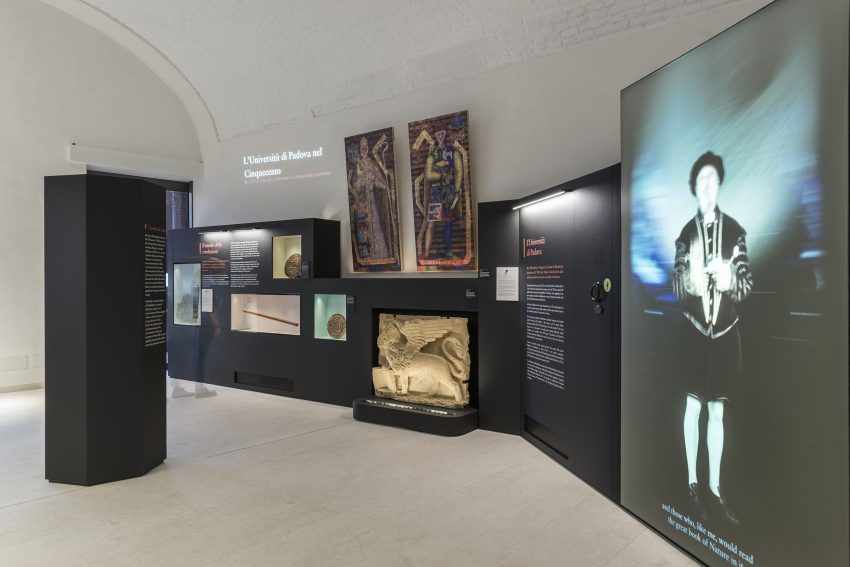
Location: MUSME, Via San Francesco, Padua, Province of Padua, Italy | Hours: Tuesday to Friday: 2:30 to 19:00; Weekends and Holidays: 9:30 – 19:00 | Price: Adults: €12.00 | Website | Distance: 0.3km
5. Torre dell'Orologio
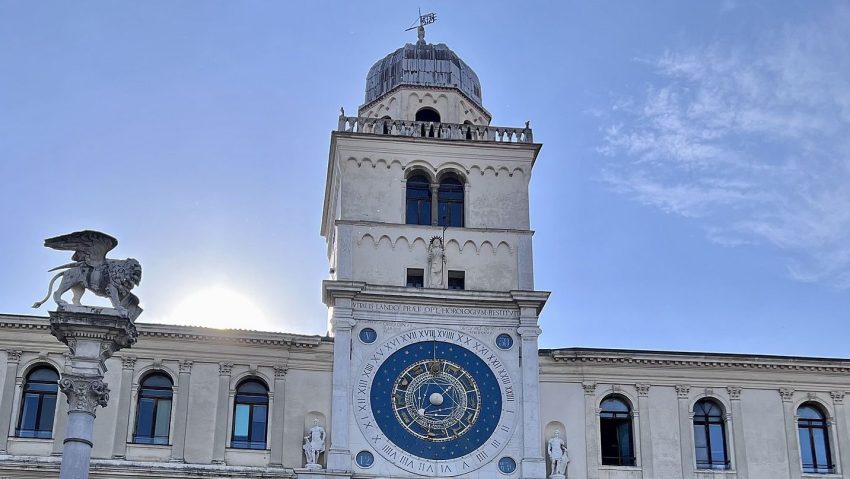
Location: Torre dell'Orologio, Piazza dei Signori, Padua, Province of Padua, Italy | Hours: VISIT IN ENGLISH Mondays at 11.00 and 14.00 Tuesdays and Wednesday at 12.00 and 14.00 Thursdays at 12.00 Fridays at 11.00, 14.00 and 16.00 Saturdays at 14.00 and 16.00 Sundays at 11.00 | Price: Adult 14,00€ | Website | Distance: 0.3km
6. Piazza dei Signori
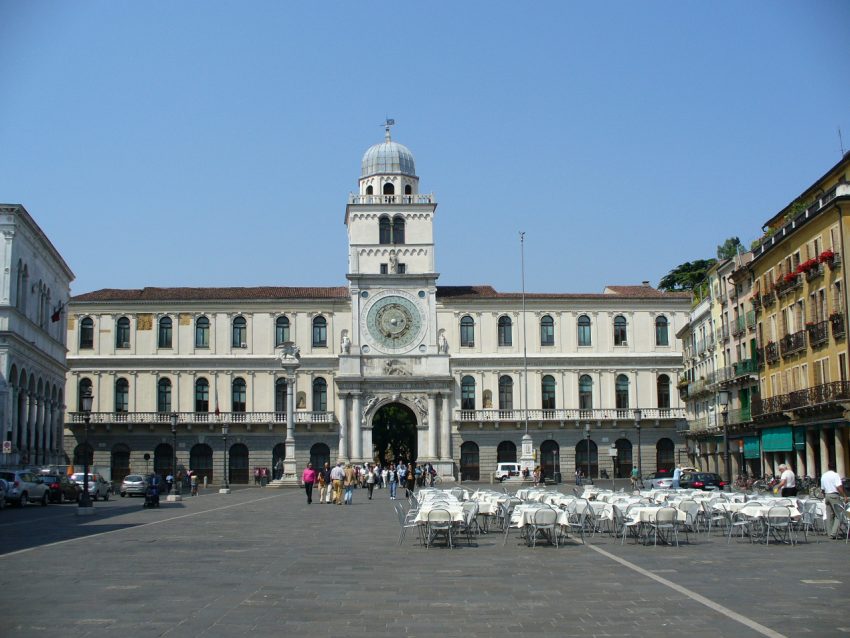
Location: Piazza dei Signori, Piazza dei Signori, Padua, Province of Padua, Italy | Hours: 24 House | Price: Free | Distance: 0.3km
7. Duomo di Padova
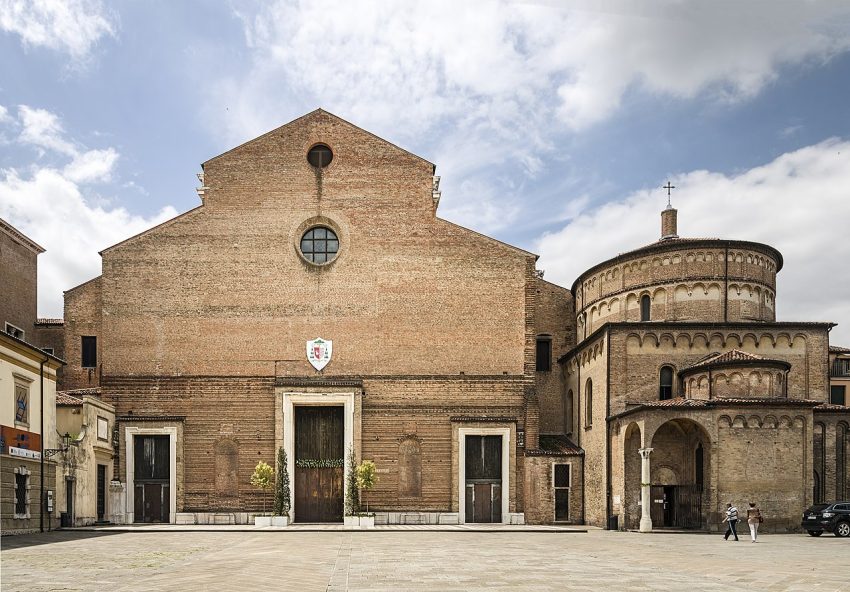
Location: Padua Cathedral, Piazza Duomo, Padua, Province of Padua, Italy | Hours: Daily 10.00 to 13.00 and 14.00 to 18.00 (Monday afternoon only) | Price: Bishop's Palace & Diocesan Museum: Full ticket €8.00; Baptistry with Audio Guide: €15.00 | Website | Distance: 0.4km
8. Chiesa degli Eremitani

Location: Chiesa degli Eremitani, Piazza Eremitani, Padua, Province of Padua, Italy | Hours: Hours can vary by season and liturgical calendar, but the church is generally open daily with a midday break; check current times locally or via Padua’s tourist information. | Price: Entry to the church itself is typically free, though donations are welcome; combined tickets apply only to nearby museums and the Scrovegni Chapel. | Distance: 0.5km
9. Roman Arena of Padua
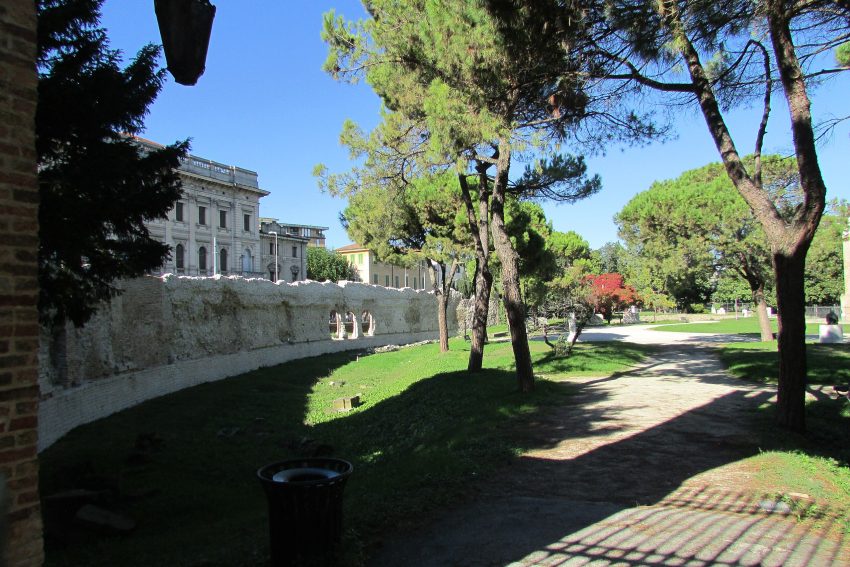
Location: Arena Romana di Padova, Piazza Eremitani, Padua, Province of Padua, Italy | Hours: The surrounding gardens keep standard daylight hours, typically opening in the morning and closing around dusk; check local information for seasonal variations. | Price: Access to view the arena ruins within Giardini dell’Arena is generally free, though charges apply for nearby museums and the Scrovegni Chapel. | Distance: 0.6km
10. Palazzo Zuckermann
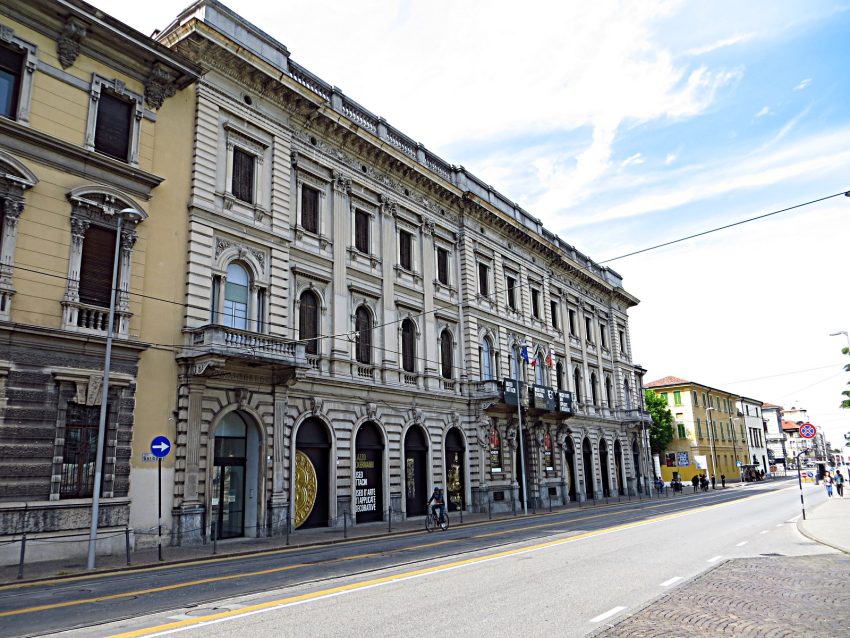
Location: Palazzo Zuckermann, Corso Giuseppe Garibaldi, Padua, Province of Padua, Italy | Hours: 10am-7pm Tue-Sun | Price: adult/reduced €10/8 | Website | Distance: 0.6km
11. Piazza del Santo
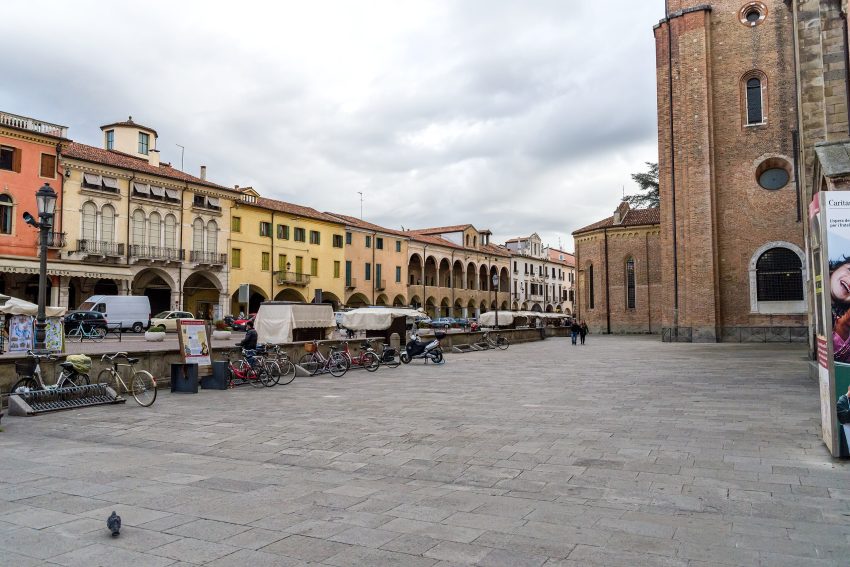
Location: Piazza del Santo, Padua, Province of Padua, Italy | Hours: The square is accessible at all times; the basilica, Museo Antoniano, Scuola di Sant’Antonio and Oratorio San Giorgio each have their own visiting hours, usually posted on site. | Price: Piazza del Santo is free to enter; the basilica is free, while some adjoining museums and chapels may charge a small entrance fee or request a donation. | Distance: 0.6km
12. Ponte Molino
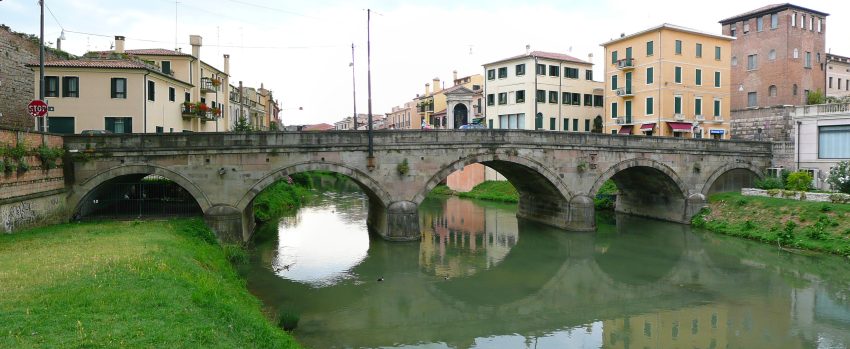
Location: Ponte Molino, Via Dante Alighieri, Padua, Province of Padua, Italy | Hours: Accessible at all times as a public thoroughfare, though visiting during daylight is best for appreciating details and views. | Price: Free (public bridge with no admission charge). | Distance: 0.6km
13. Musei Civici di Padova
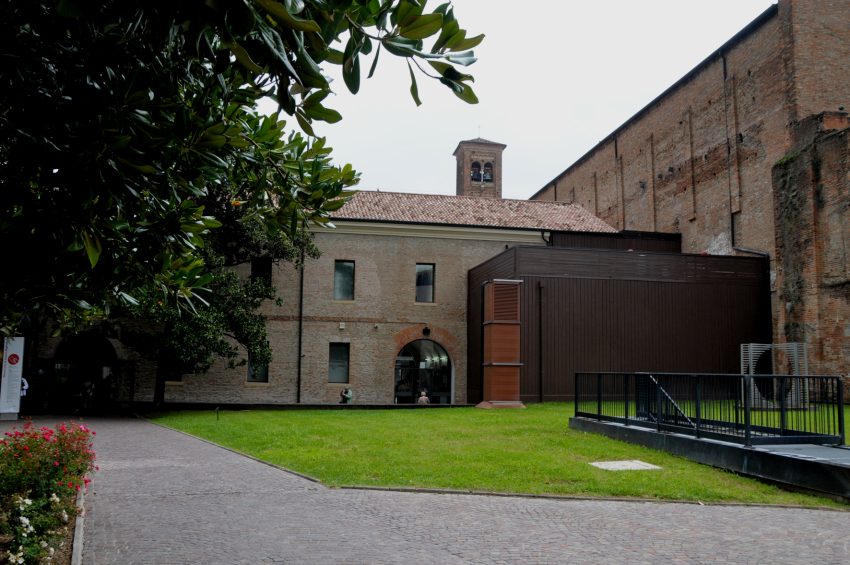
Location: Musei Civici Eremitani, Piazza Eremitani, Padua, Province of Padua, Italy | Hours: 9am-7pm Tue-Sun | Price: adult/reduced €10/8 | Website | Distance: 0.6km
14. Cappella degli Scrovegni
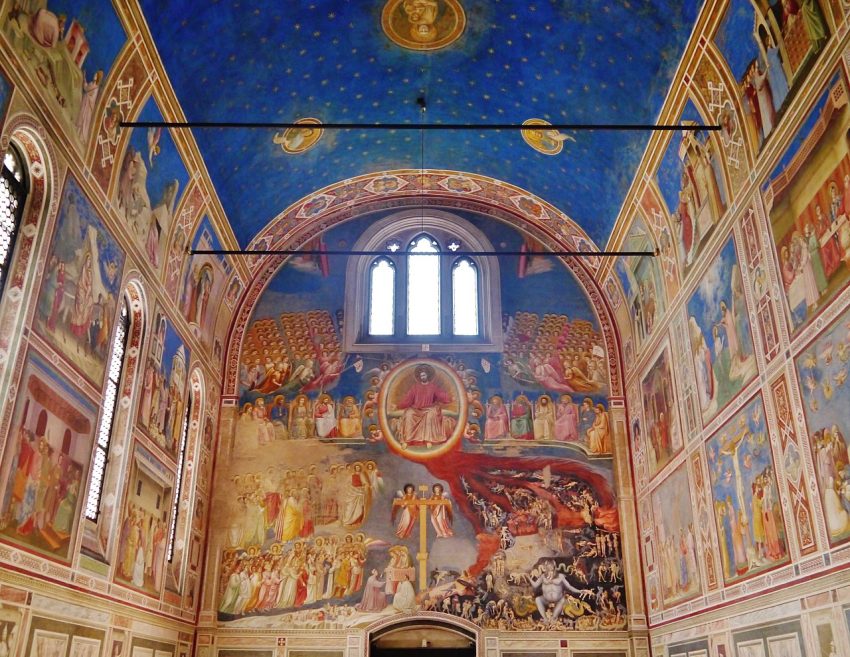
Location: Cappella degli Scrovegni, Piazza Eremitani, Padua, Province of Padua, Italy | Hours: Daily: 9:00-19:00, Closed Mondays | Price: Adults €8.00 | Website | Distance: 0.6km
15. Basilica di Sant'Antonio
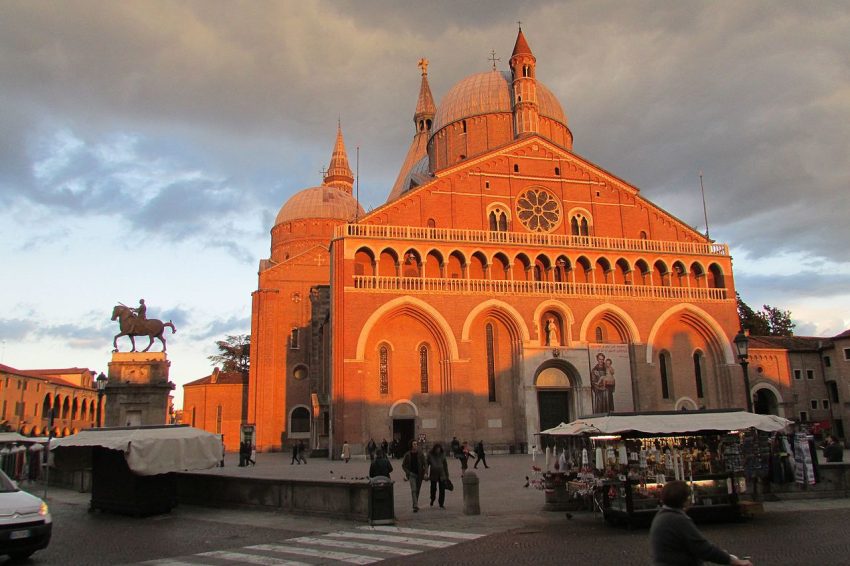
Location: Basilica di Sant'Antonio di Padova, Piazza del Santo, Padua, Province of Padua, Italy | Hours: 6.20am-6.45pm Mon-Sat, to 7.45pm Sun | Price: Entry to the basilica is free; donations are appreciated, and there may be separate charges for specific museum areas or guided tours. | Website | Distance: 0.6km
16. Giardini dell’Arena
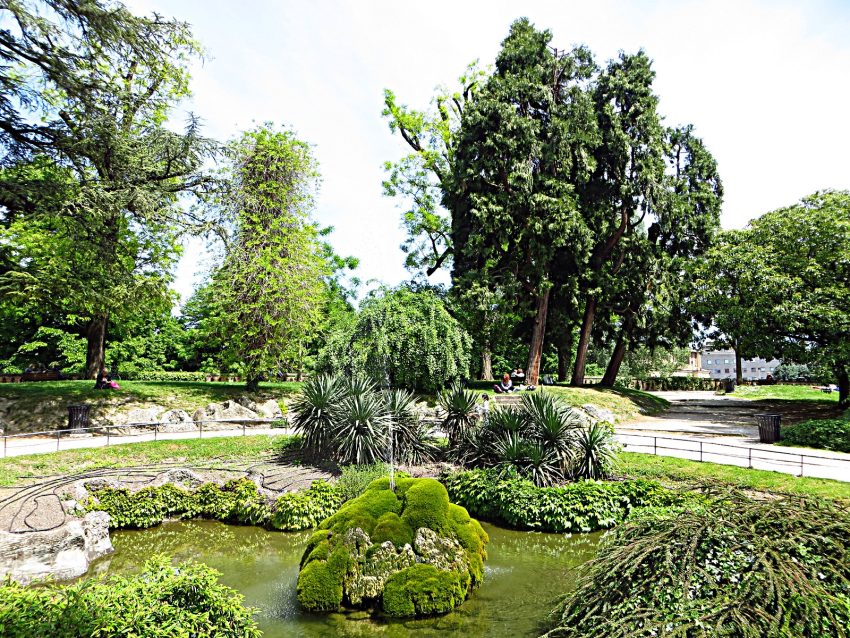
Location: Giardini dell'Arena, Corso Giuseppe Garibaldi, Padua, Province of Padua, Italy | Hours: 7:00 am - 6:00 pm | Price: Free | Website | Distance: 0.7km
17. La Specola
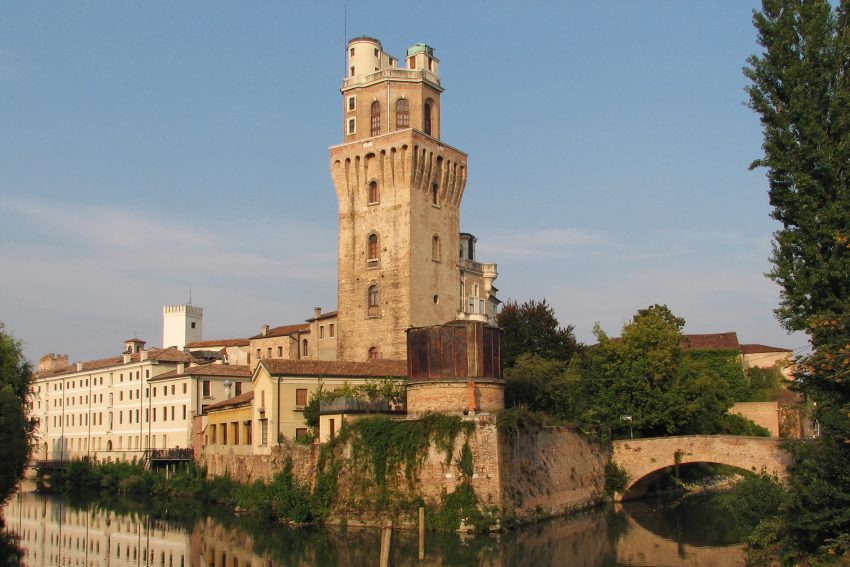
Location: Museo La Specola, Vicolo dell'Osservatorio, Padua, Province of Padua, Italy | Hours: Saturday & Sunday 4:00 – 5:00 PM | Price: Adults €7.00 | Website | Distance: 0.8km
18. Orto Botanico
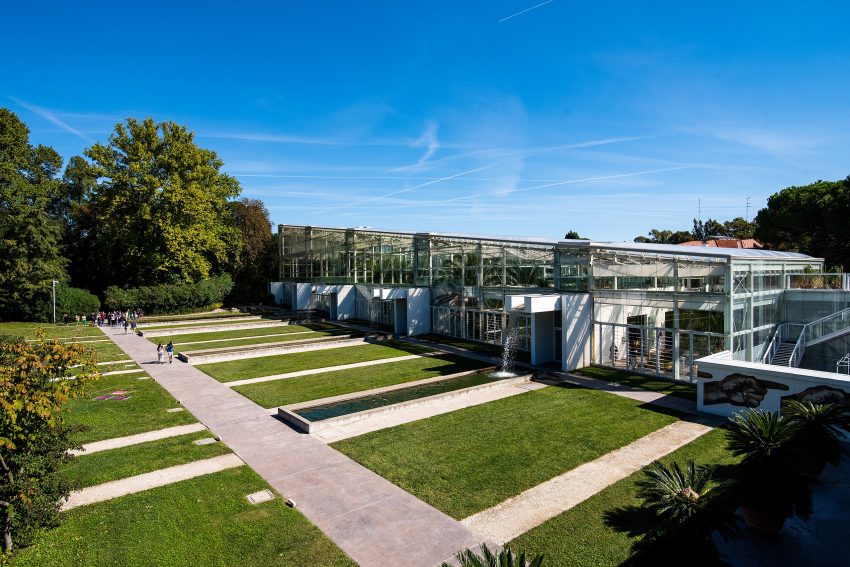
Location: Orto botanico dell'Università degli Studi di Padova, Via Orto Botanico, Padua, Province of Padua, Italy | Hours: Winter: 10:00 to 17:00; Summer: 10:00 to 19:00 | Price: Adults: €10, with PadovaCard €5 | Website | Distance: 0.8km
19. Prato della Valle
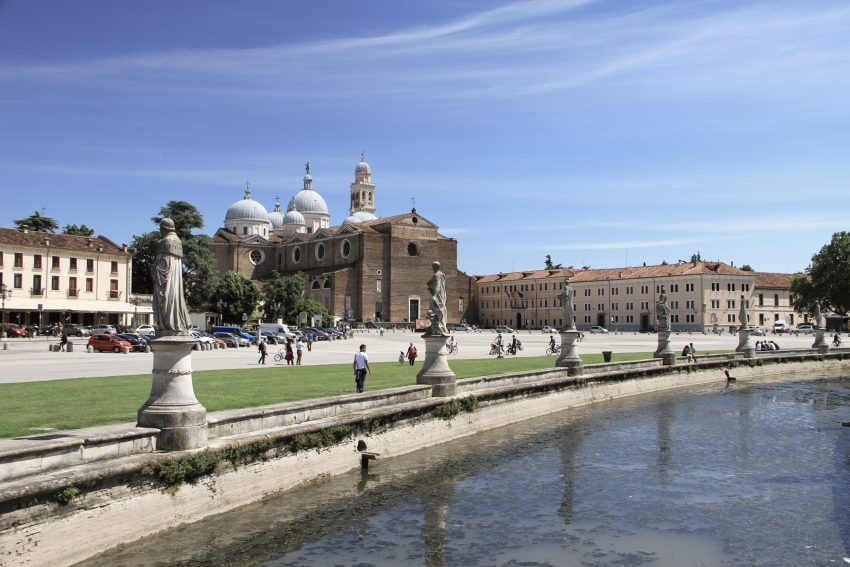
Location: Prato della Valle, Prato della Valle, Padua, Province of Padua, Italy | Hours: Open at all hours; markets usually run from around 7:30 to early afternoon on weekdays and into the early evening on Saturdays. | Price: Free public square with no entrance fee. | Distance: 0.9km
20. Riviera del Brenta
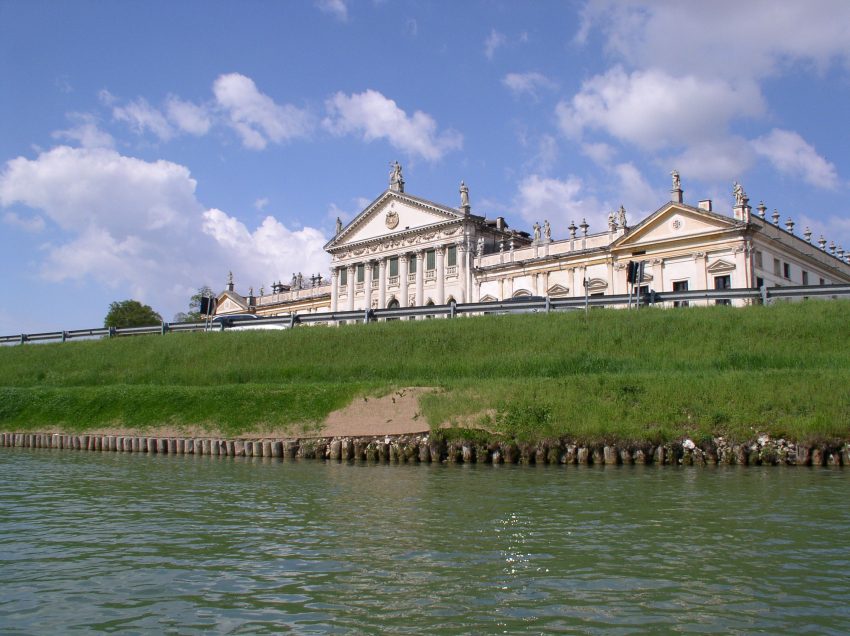
Location: Lungargine del Piovego, 3, 35131 Padova PD, Italy | Hours: Canal paths and towns are always accessible; individual villas and cruise companies have their own seasonal timetables, so check times in advance. | Price: Exploring the Riviera itself is free; Cruise: From €100 | Website | Distance: 1.4km
Best Day Trips from Padova
A day trip from Padova offers the perfect opportunity to escape the urban rhythm and discover the surrounding region's charm. Whether you're drawn to scenic countryside, historic villages, or cultural landmarks, the area around Padova provides a variety of easy-to-reach destinations ideal for a one-day itinerary. If you are looking to rent a car in Italy I recommend having a look at Discover Cars, first, as they compare prices and review multiple car rental agencies for you.
1. Villa Pisani, Stra
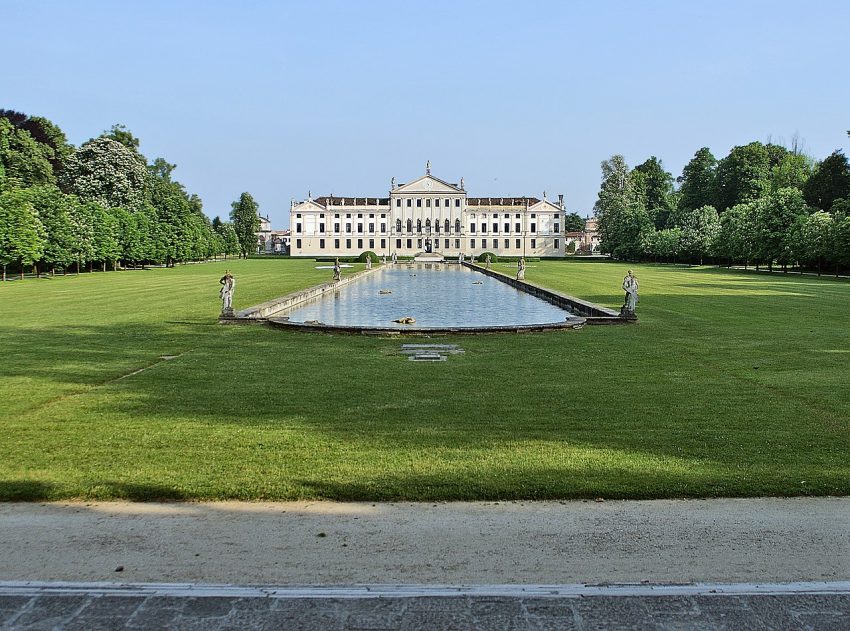
Location: Villa Pisani, Via Doge Pisani, Stra, Metropolitan City of Venice, Italy | Hours: Summer: 09:00 to 18:00 Winter: Tuesday to Thursday From 09:00 to 14:00 | Price: Adults: €10.00 | Website | Distance: 10.6km
Visiting Villa Pisani, Stra
2. Vicenza
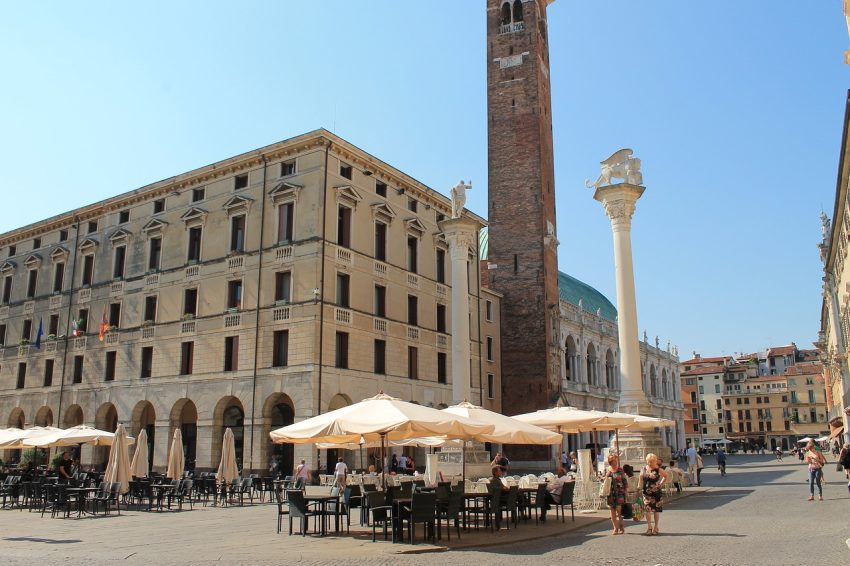
Visiting Vicenza
3. Venice
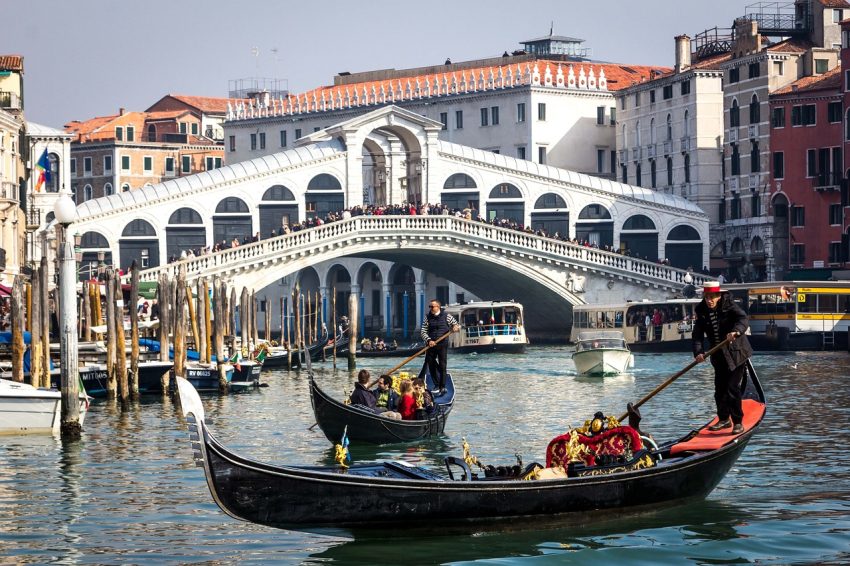
Visiting Venice
4. Ferrara
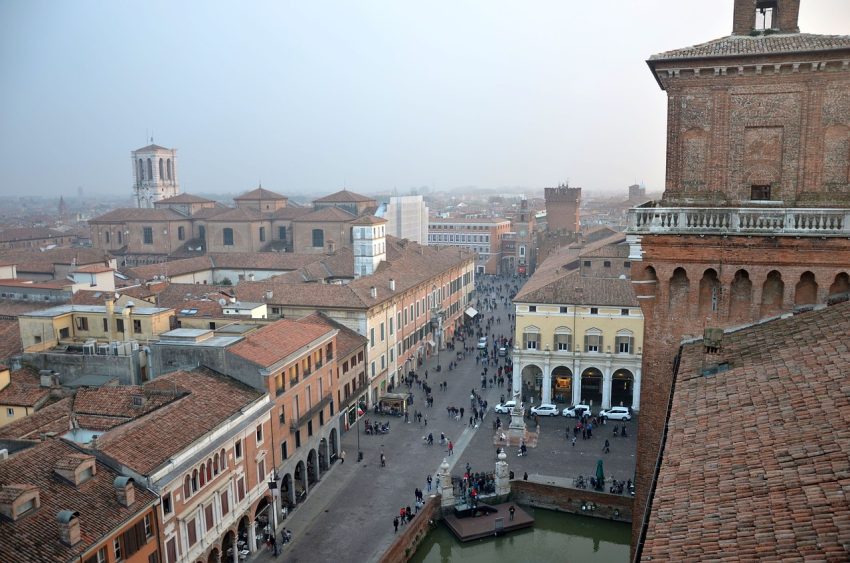
Visiting Ferrara
5. Verona
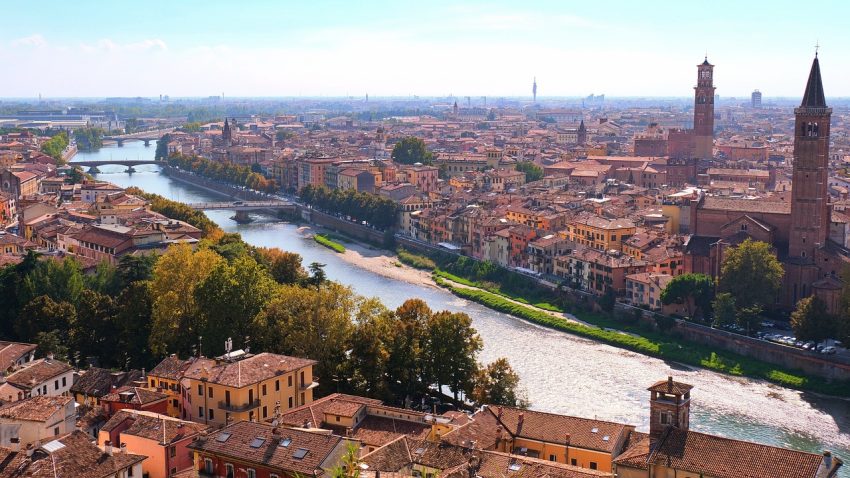
Visiting Verona
6. Bologna
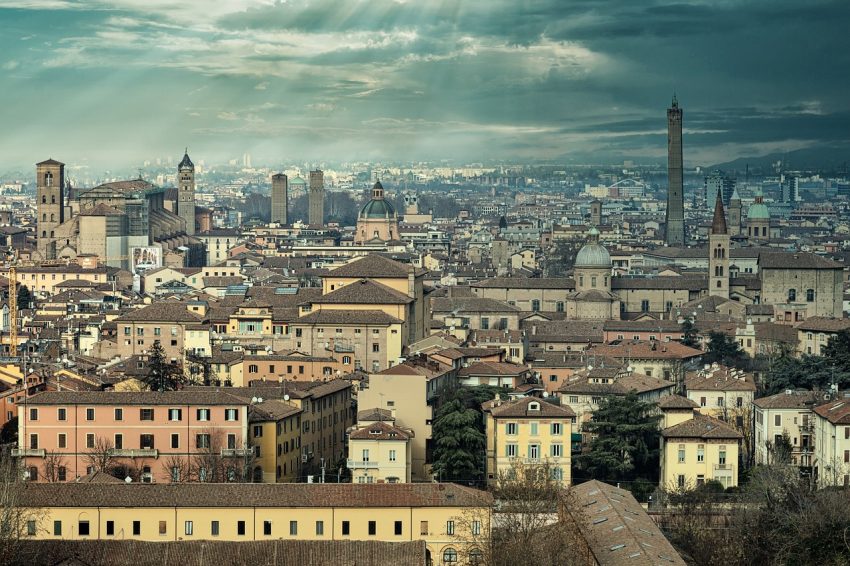
Visiting Bologna
7. Modena
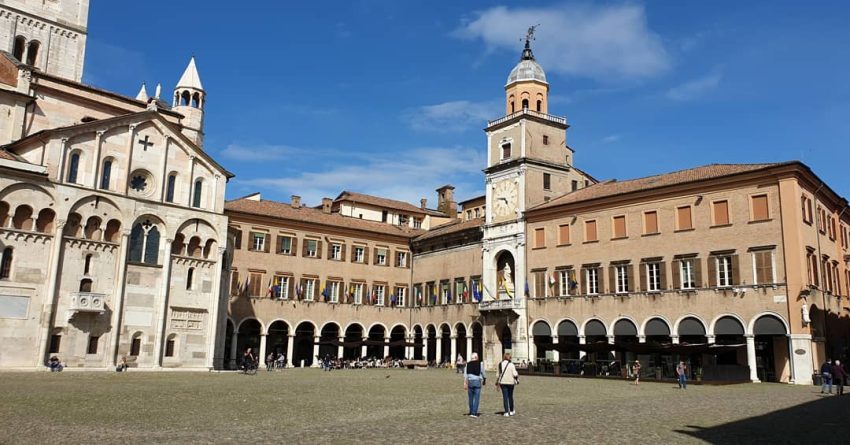
Visiting Modena
8. Ravenna
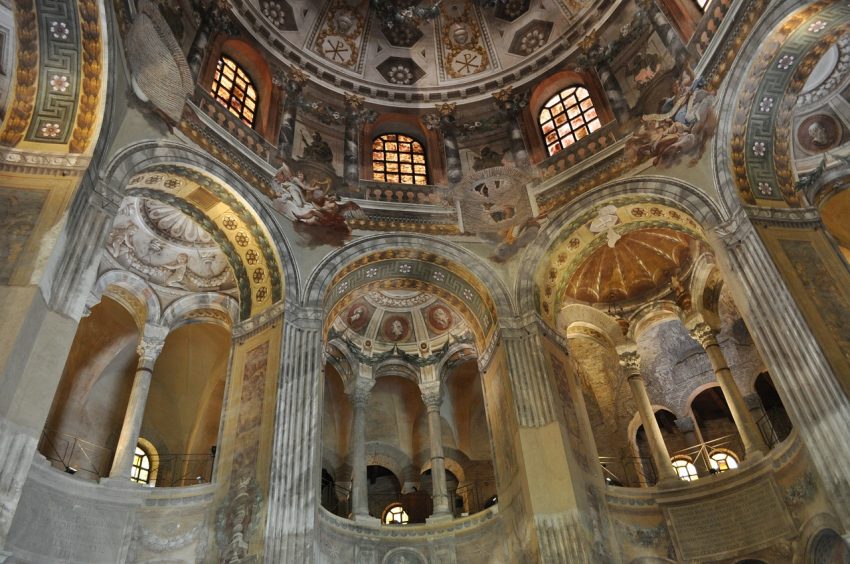
Visiting Ravenna
9. Udine
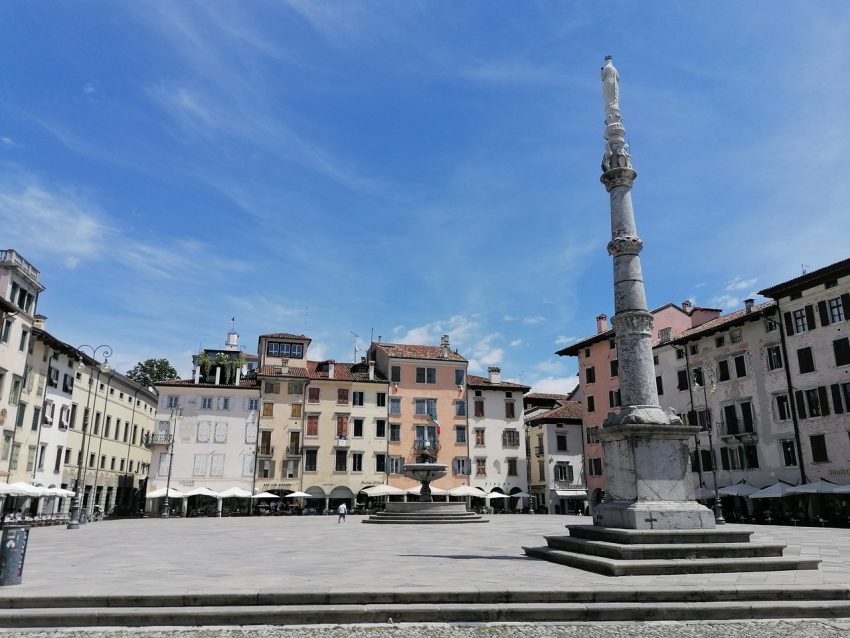
Visiting Udine
10. Brescia
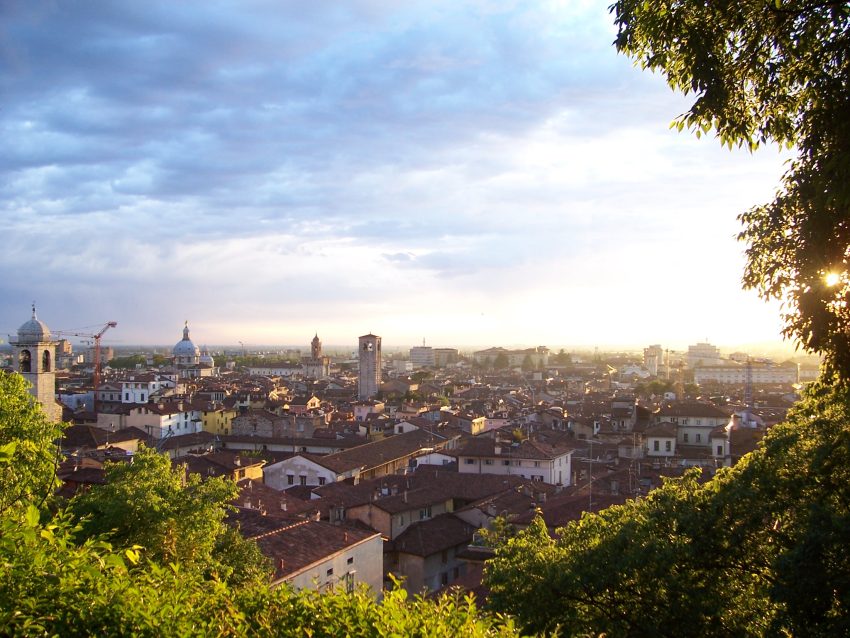
Visiting Brescia
11. Parma
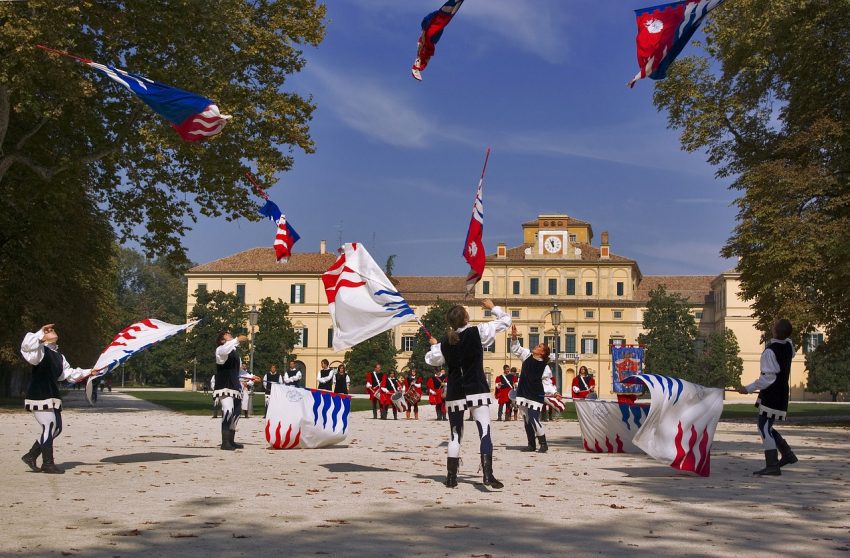
Visiting Parma
Where to Stay in Padova
Padova (Padua), a beautiful university city in northern Italy, offers a range of inviting areas for visitors to stay, each suited to different travel styles and interests. One of the most popular and convenient areas is the Historic City Center, particularly around Piazza delle Erbe and Piazza dei Signori. Staying here puts you within walking distance of the Scrovegni Chapel, the University of Padua, and the Basilica of Saint Anthony. The narrow cobbled streets are lined with cafés, shops, and architectural landmarks, making it a lively and atmospheric base. For elegant comfort right in the heart of the city, consider Hotel Majestic Toscanelli, a boutique hotel that offers easy access to both culture and cuisine.
For travelers who prefer a quieter yet still central experience, the Prato della Valle area is a strong choice. This enormous elliptical square—one of the largest in Europe—is surrounded by peaceful residential streets, green spaces, and impressive monuments. The nearby Basilica of Saint Anthony adds to the historic charm of the neighborhood. It’s an ideal location for those who want to enjoy leisurely walks and visit sacred sites while staying close to restaurants and tram lines. A stylish and welcoming option in this area is Hotel Al Prato, known for its spacious rooms and serene atmosphere.
If you’re arriving by train or planning frequent day trips to Venice or Verona, the Padova Railway Station area is worth considering. While it’s more modern and functional than picturesque, the area offers excellent transport connections and is only a short walk from the city center. It’s also typically more budget-friendly, with a good selection of mid-range hotels and business accommodations. One reliable option for comfort and convenience is Hotel Grand’Italia, a refined hotel housed in a historic building just opposite the station.
Using the our Hotel and Accomodation map, you can compare hotels and short-term rental accommodations in Padova. Simply insert your travel dates and group size, and you’ll see the best deals for your stay.
Padova Accommodation Map
Best Time to Visit Padova
Padua in Spring: March to May (Best)
Spring is the best time to visit Padua. The city awakens with mild temperatures, blooming gardens, and a pleasant energy that makes exploring on foot particularly enjoyable. Daytime highs range from 15°C in March to around 23°C by May. Outdoor spaces like the Botanical Garden and Prato della Valle become especially inviting during this time. Padua also hosts cultural events such as the Fiera di Primavera (Spring Fair) and various university-sponsored festivals, celebrating the city’s vibrant academic life. Tourist crowds remain light, and prices for accommodation are generally reasonable compared to peak summer.
Padua in Summer: June to August
Summer in Padua is warm and lively, with temperatures often climbing above 30°C in July and August. The long daylight hours and open-air cafés create a festive atmosphere. While many locals leave for the seaside in August, the city remains active with cultural programming. Visitors can enjoy events like the Padova Jazz Festival Summer Edition and outdoor film screenings in the piazzas. However, the heat and increased tourist numbers make midday sightseeing less appealing. Early morning walks and evening strolls are the best ways to enjoy the city in this season.
Padua in Autumn: September to November
Autumn is a charming and quieter time to visit Padua. September still carries a summer-like warmth, while October and November bring cooler temperatures and golden foliage. Highs range from 26°C in early autumn to about 11°C in November. The city celebrates the harvest season with food and wine events, including local markets showcasing chestnuts, mushrooms, and regional wines. Cultural institutions launch new exhibitions and academic events as the university term begins. The crowds are thinner, making it an ideal time for those who prefer a relaxed pace.
Padua in Winter: December to February
Winter in Padua is cool, with average temperatures between 0°C and 8°C. While snow is rare, crisp air and festive decorations give the city a magical charm during the holidays. December is particularly atmospheric with the Fiera di Santa Lucia and Christmas markets in Piazza Capitaniato. Epiphany processions and winter concerts also draw both locals and visitors. January and February are the quietest months for tourism, ideal for museum visits and enjoying Padua’s café culture without the crowds. It’s a peaceful season for reflective travel and indoor cultural exploration.
Annual Weather Overview
- January 8°C 50°F
- February 11°C 55°F
- March 16°C 64°F
- April 19°C 71°F
- May 23°C 78°F
- June 29°C 87°F
- July 29°C 92°F
- August 30°C 90°F
- September 26°C 83°F
- October 22°C 75°F
- November 13°C 60°F
- December 8°C 50°F
How to get to Padova
Getting to Padua (Padova) in Italy is quite straightforward due to its well-connected transport network. Whether you’re coming from within Italy or from international locations, here are the best ways to reach Padua:
By Air
- Nearest Airports: The nearest major airport is Venice Marco Polo Airport, which is about 40 kilometers away. Treviso Airport, mainly served by low-cost airlines, is also relatively close, about 50 kilometers from Padua.
- Airport Transfers: From Venice Marco Polo Airport, you can take a direct bus or a combination of a bus and a train to reach Padua. The journey typically takes about an hour. From Treviso Airport, you can take a bus to Treviso train station and then a train to Padua.
By Train
- From Major Cities: Padua is well-served by Italy's extensive train network. High-speed trains (Frecciarossa and Italo) and regional trains connect Padua to major cities like Venice (about 25 minutes), Milan (about 2 hours), Florence (about 2 hours), and Rome (about 3-4 hours). The train station in Padua is centrally located and connects you to various parts of the city.
- International Connections: There are also direct international trains from cities like Munich, Germany.
By Bus
- Domestic and International Buses: Numerous bus companies operate services to Padua from various Italian cities as well as from other European countries. This can be a cost-effective option, especially for those traveling from nearby countries.
By Car
- Driving: If you prefer to drive, Padua is accessible via the A4 motorway, which is one of the main motorways in northern Italy, connecting Turin, Milan, Verona, Venice, and Trieste. Padua has several exits off the A4, making it easy to get into the city.
- If you are looking to rent a car in Italy I recommend having a look at Discover Cars, first, as they compare prices and review multiple car rental agencies for you.
By Boat
- Canal Navigation: Though less common, Padua is connected by canals to the Venetian Lagoon, and it's possible to reach the city by boat from Venice. This makes for a scenic but less conventional route.
Once in Padua, the city’s compact historical center makes it easy to explore on foot, or you can use local buses and trams to get around. The city is pedestrian-friendly, with many of the main sights located within walking distance from the train station.