Denia, Spain: The Ultimate Travel Guide 2026
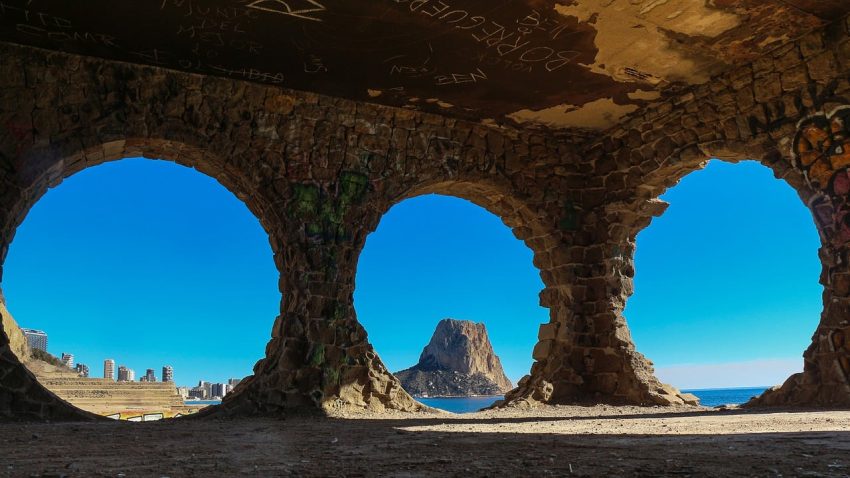
costa blanca Denia.pg

Dénia is a relaxed coastal town on Spain's Costa Blanca, in the northern part of Alicante province within the Valencian Community. It sits between the Mediterranean and the foothills of the Montgó Natural Park, so you get a rare mix of sea views and mountain scenery in the same frame. The town feels like a working port as much as a resort, which gives it an easy, lived-in atmosphere-especially around the marina and the streets where locals are out for coffee, tapas, and evening strolls.

For visitors, the pleasure of Dénia is how many different “days” it can offer without much effort. You can start with a walk up toward the castle area for sweeping views over the rooftops and coastline, then drift back down into the old town for simple bars and markets. The marina is a natural base for a leisurely promenade, and if you want a beach day, you have choices on both sides of town: long sandy stretches to the north and more sheltered coves and rockier inlets as you head south.

Dénia is also a strong choice if you want to slow your itinerary down and anchor yourself in one place for a couple of nights. It is well placed for day trips along the Costa Blanca, and the connection by ferry to the Balearic Islands adds a little extra energy to the port area. Whether you come for swimming and seafood, gentle hikes near Montgó, or simply the rhythm of a small Mediterranean town, Dénia has a low-friction appeal that fits easily into a wider Alicante region trip.

History of Denia

Denia: Ancient roots and the Roman era

Long before Dénia became a recognisable medieval town, it was valued for its natural harbour and coastal access, which made it attractive to early settlers and traders. Under Roman influence, the settlement developed as part of a wider Mediterranean network where coastal towns served as logistical points for shipping, fishing, and regional commerce. Roman-era activity left a lasting imprint on local place identity, and even as later powers arrived, the strategic logic that drew Rome to the coastline continued to shape Dénia’s role for centuries.

Denia: Islamic rule and the Taifa period

The city’s most formative medieval chapter began under Islamic governance, when Dénia grew into an important urban centre with strong maritime connections. During the 10th and 11th centuries it became a significant base for seafaring trade and naval activity, and in the Taifa period it rose to particular prominence as a political and cultural hub. This era shaped the core of the old town’s defensive character, strengthening the hilltop fortress and establishing patterns of settlement that would influence later Christian and early modern development.

Denia: The Christian reconquest and a medieval frontier town

Following the Christian reconquest in the 13th century, Dénia entered a new phase of political administration and urban reorganisation. The castle and its surrounding defences remained central, adapted over time to changing military realities and the shifting priorities of new rulers. Like many towns of the period, Dénia experienced moments of growth and disruption as power consolidated, landholdings were reorganised, and the religious and civic institutions of the Christian kingdom took root.

Denia: Early modern fortification and coastal insecurity

From the 16th to 18th centuries, Dénia’s fortunes were shaped by the instability that often affected coastal communities, including the need to guard against raids and the wider conflicts that periodically reached the shoreline. Defensive works were maintained and upgraded, and the town’s identity remained closely tied to its ability to protect people, goods, and maritime approaches. This was a period when security concerns could strongly influence everyday life, trade rhythms, and the physical maintenance of fortifications and lookout points.

Denia: The 19th century and commercial change

The 19th century brought economic and social shifts that altered many Spanish towns, including changes in trade patterns, agriculture, and industry. Dénia developed new commercial momentum and civic energy, shaped by the era’s broader reforms and by the increasing integration of regional economies. This was also a century of transformation in public life, as modern municipal structures strengthened and the town’s built environment evolved to reflect new economic priorities.

Denia: The 20th century to today

In the 20th century, Dénia’s trajectory increasingly reflected the wider Spanish story of modernisation, improved transport connections, and the growth of leisure travel. While older quarters and defensive landmarks remained part of its identity, the town expanded and adapted to new economic realities, balancing heritage with everyday contemporary life. Today, Dénia’s history is best understood as a sequence of maritime chapters—ancient foundations, medieval prominence, early modern defence, and modern reinvention—each leaving visible traces in the town’s evolving character.

Moira & Andy
Moira & Andy

Hey! We're Moira & Andy. From hiking the Camino to trips around Europe in Bert our campervan — we've been traveling together since retirement in 2020!

Read our full story here

Visiting Denia for the first time and wondering what are the top places to see in the city? In this complete guide, I share the best things to do in Denia on the first visit. To help you plan your trip, I have also included an interactive map and practical tips for visiting!

This website uses affiliate links which earn a small commission at no additional cost to you.
Powered by GetYourGuide

Best things to do and See in Denia

1. Explore Denia Castle

Discover the historic Denia Castle, perched on a hill overlooking the town and the sea. The castle offers stunning views and houses the Archaeological Museum, which provides insights into Denia’s rich history.

2. Visit the Montgó Natural Park

Hike through the Montgó Natural Park, a beautiful nature reserve with diverse flora and fauna. The park’s trails offer breathtaking views of the coastline and the Mediterranean Sea.

3. Relax on Las Marinas Beach

Enjoy the sandy shores and clear waters of Las Marinas Beach. This popular beach is perfect for sunbathing, swimming, and a variety of water sports.

4. Wander the Old Town

Stroll through Denia’s charming Old Town, with its narrow streets, traditional houses, and vibrant squares. The area is filled with shops, cafes, and restaurants, offering a taste of local culture.

5. Discover the Toy Museum

Visit the Toy Museum, located in the old train station. The museum showcases a fascinating collection of toys from the early 20th century, reflecting Denia’s history as a toy manufacturing center.

6. Explore the Marina

Take a walk around Denia’s Marina, where you can admire luxury yachts and enjoy waterfront dining. The marina is also a departure point for boat trips and excursions to nearby islands.

7. Visit the Ethnological Museum

Learn about Denia’s cultural heritage at the Ethnological Museum. The museum exhibits traditional clothing, tools, and artifacts that illustrate the daily life and customs of the region’s past inhabitants.

8. Enjoy Local Cuisine

Savor the flavors of Denia’s culinary scene, particularly its famous seafood and rice dishes. Visit local restaurants and tapas bars to experience traditional dishes like paella and red prawns.

9. Experience the Fallas Festival

If visiting in March, don’t miss the Fallas Festival, a vibrant celebration featuring elaborate sculptures, fireworks, and parades. This lively event is a highlight of Denia’s cultural calendar.

10. Take a Boat Trip to Ibiza

Embark on a boat trip from Denia to the nearby island of Ibiza. The journey offers stunning sea views and the opportunity to explore one of the Mediterranean’s most famous islands.

Best Day Trips from Denia

A day trip from Denia offers the perfect opportunity to escape the urban rhythm and discover the surrounding region's charm. Whether you're drawn to scenic countryside, historic villages, or cultural landmarks, the area around Denia provides a variety of easy-to-reach destinations ideal for a one-day itinerary. If you are looking to rent a car in Spain I recommend having a look at Discover Cars, first, as they compare prices and review multiple car rental agencies for you.

1. Alicante

Alicante
Alicante
Alicante is a vibrant Mediterranean city that offers a perfect mix of coastal beauty, urban charm, and cultural experiences. Its seafront promenade, Explanada de España, is a must-visit, featuring palm-lined walkways, lively cafés, and stunning ocean views. The city’s main beach, Playa del Postiguet, provides golden sands and clear waters, ideal for sunbathing or enjoying a sunset stroll. Whether relaxing…
Visiting Alicante

We recommend to rent a car in Spain through Discover Cars, they compare prices and review multiple car rental agencies. Book your rental car here.

Powered by GetYourGuide

2. Valencia

Valencia
Valencia
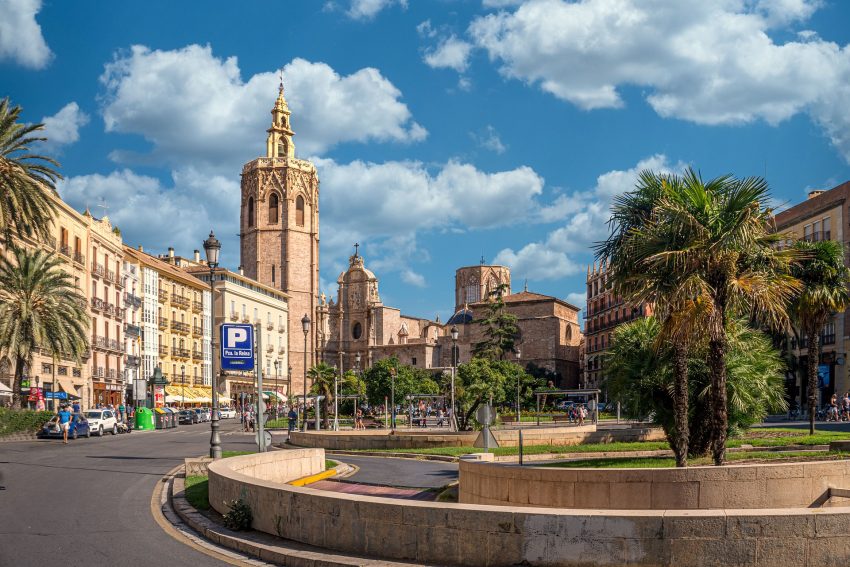
Valencia, the capital of the Valencian Community, is a dynamic city that seamlessly blends historical charm with modern innovation. Its Ciutat Vella (Old Town) is a treasure trove of architectural wonders, where visitors can stroll through Plaza de la Virgen, admire the Valencia Cathedral, and explore the atmospheric streets of Barrio del Carmen. Meanwhile, the futuristic City of Arts and…
Visiting Valencia

Here is a complete selection of hotel options in Denia. Feel free to review each one and choose the stay that best suits your needs.

Powered by GetYourGuide

3. Ibiza Town

ibiza town
ibiza town
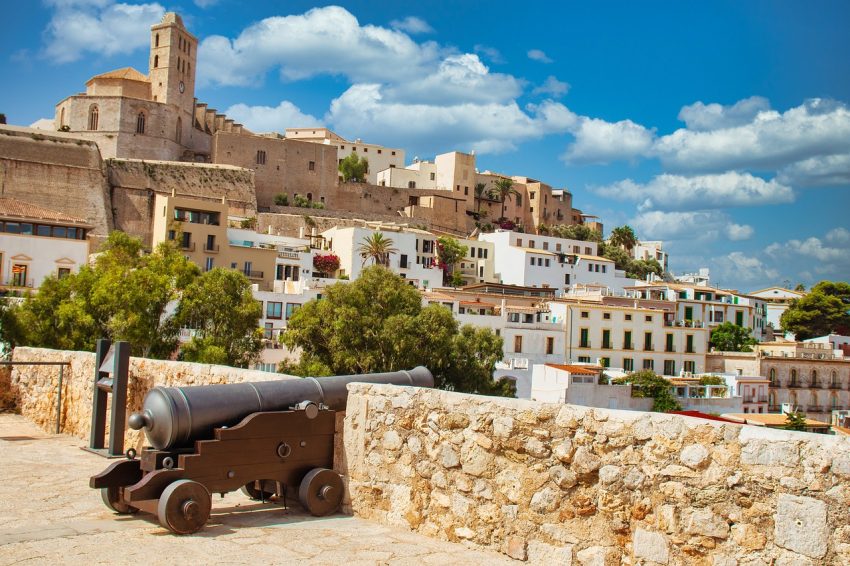
Ibiza Town, the capital and largest city on the island, overlooks the Mediterranean and truly offers something for everyone. The nightlife is legendary, featuring world-class restaurants and a diverse selection of bars in the charming Old Town and the trendy Marina Botafoch. Known as Eivissa in Catalan, it is also home to the iconic Pacha nightclub, where the world's top…
Visiting Ibiza Town

Traveling to a country with a different currency? Avoid ATM transaction fees and pay in local currency with a Wise Card. Having used it for over 5 years, we've saved loads on fees!

Powered by GetYourGuide

4. Ibiza

Ibiza Town
Ibiza Town
Ibiza Town sits on the island’s south-east coast, in the municipality of Eivissa (Vila), and it’s the main hub for shopping, dining, and nightlife on Ibiza in the Balearic Islands. It works well as a base because you can do a lot on foot: the harbour promenade, the old streets above it, and the beach areas all link together without…
Visiting Ibiza

5. Castellón de la Plana

Castellon de la Plana
CC BY-SA 3.0 / velomartinez
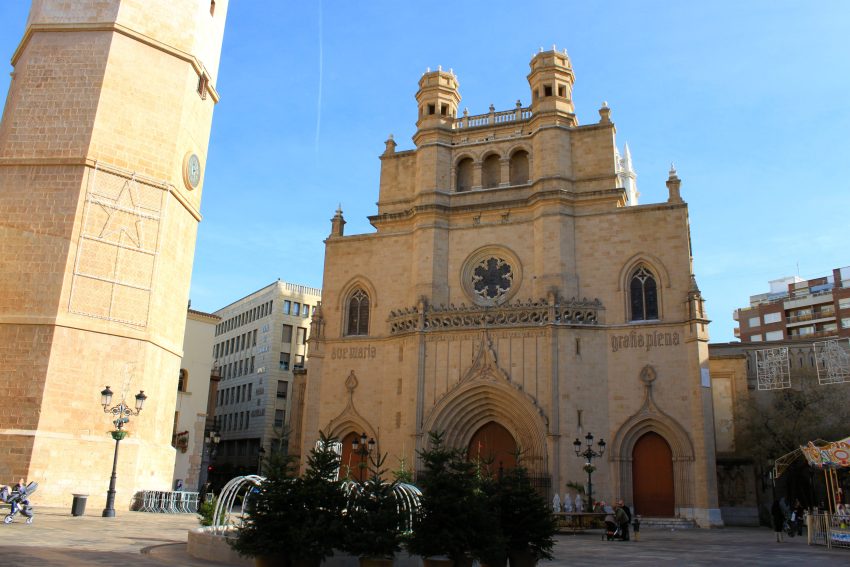
Castellón de la Plana, located in the Valencian Community, offers visitors a delightful mix of coastal charm, vibrant city life, and cultural treasures. The city’s historic center provides an inviting atmosphere, with tree-lined boulevards, charming plazas, and architectural highlights such as Plaza Mayor and the striking Concatedral de Santa María. A leisurely stroll through the city reveals lively markets, boutique…
Visiting Castellón de la Plana
Powered by GetYourGuide

6. Murcia

cathedral mercia
cathedral mercia
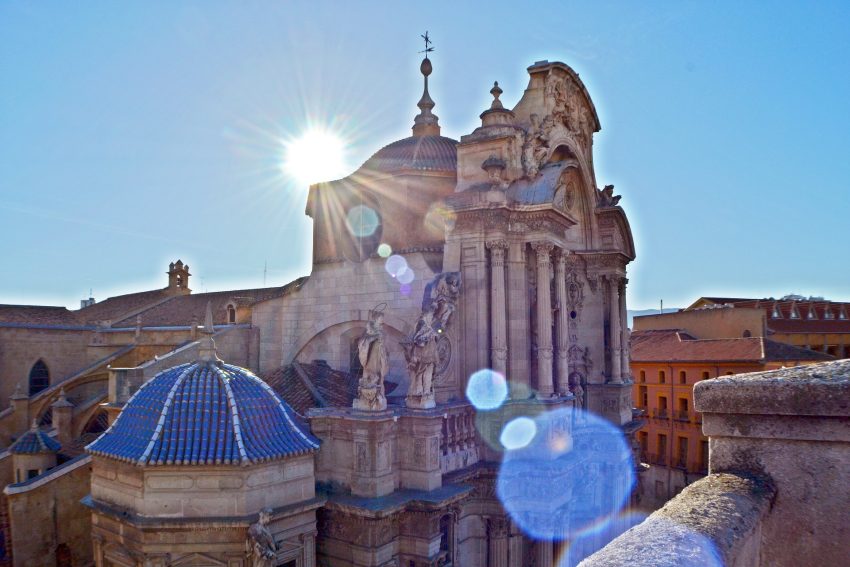
Murcia is a city in southeastern Spain and serves as the capital of the Autonomous Community of the Region of Murcia. As of 2018, it is the country's seventh-largest city with a population of 447,182, and its metropolitan area had 689,591 inhabitants in 2010. Situated along the Segura River on the southeast of the Iberian Peninsula, Murcia is characterized by…
Visiting Murcia

Where to Stay in Denia

If your priority is to be able to walk everywhere and keep your days flexible, the best base is the central area between the Old Town, Calle Loreto/Marqués de Campo, and the port-side marina. You can start early without transport, dip back to your hotel during the hottest part of the day, and finish with dinner and an evening stroll without needing taxis. In this zone, Hotel Nou Romà is a strong choice for a characterful, old-town stay close to the castle-side streets, while Hotel Adsubia works well if you want a straightforward, good-value base that stays convenient for both the centre and the harbour area. For a more “treat yourself” feel right by the water, La Posada del Mar gives you a marina-front setting that is ideal for evening walks and easy dining.

If you prefer being near the waterfront and want a slightly more resort-style setup while still staying close to the action, the marina and southern seafront are a practical compromise. Port Dénia is well placed for the port, beach walks, and quick access back into town, making it a good all-rounder if you want facilities on-site as well as walkability. For travellers who want a quieter, more scenic stay with a “coast and nature” feel, look toward the Les Rotes side, where the shoreline is calmer and the atmosphere is more secluded; Hotel MR Les Rotes suits couples and slow-travel stays where the setting is part of the appeal.

If your trip is primarily about beach time and you do not mind being a little more spread out from the historic centre, Las Marinas is the classic sandy-beach zone and can work well with a short taxi or a longer walk into town. Hotel Daniya Dénia is a practical option here because it sits in that useful middle ground between the beach and the centre, so you can do mornings on the sand and still reach the old streets for afternoons and evenings without it feeling like a full commute.

Using the our Hotel and Accomodation map, you can compare hotels and short-term rental accommodations in Denia. Simply insert your travel dates and group size, and you’ll see the best deals for your stay.

Denia Accommodation Map

Best Time to Visit Denia

Dénia: Spring (March to May)

Spring is a strong choice if you want warm, bright days without peak-summer crowds, and it is also when Dénia’s festival calendar starts to feel lively again. March is the standout for Fallas, with the most intense days typically around March 15–19, when monuments, fireworks, parades, and the final burn (la Cremà) create a city-wide atmosphere that can be your entire trip in itself. April and May are generally calmer and more comfortable for sightseeing, long lunches, and coastal walks, with a more local pace before summer pricing and beach crowds fully arrive.

Dénia: Summer (June to August)

Summer is for beach-first trips and late evenings, but you should expect higher prices, fuller accommodation, and hotter days, especially in July and August. If you want to travel specifically for big local celebrations, early July is known for Bous a la Mar (part of the Festa Major), which concentrates activity near the port and draws large crowds. Mid-August is typically the headline period for the Moors and Christians festivities (often linked with Sant Roc), with parades, music, and port-side set pieces that give the city a very different energy compared with a standard beach break.

Dénia: Autumn (September to November) (Best)

Autumn is often the most balanced season overall: the sea is usually still warm enough for swimming in early autumn, the light is excellent, and the town tends to feel less pressured than in July and August. September and October are particularly good if you want an easy rhythm of beaches, food, and day trips without constantly booking ahead, while November shifts into a quieter, more local pace that suits slow travel and relaxed dining. If your priority is atmosphere over heat, this is the season when Dénia typically feels most comfortable for an all-round visit.

Dénia: Winter (December to February)

Winter is the calmest time to visit, best suited to travellers who want lower prices, fewer people, and a more authentic, everyday feel rather than a classic beach holiday. Days are generally mild compared with much of northern Europe, but evenings can be cool, and you should plan around shorter daylight and the possibility of windier conditions. If you like quiet promenades, long lunches, and exploring without queues, winter delivers, but for festival-focused trips, spring and summer offer the biggest set-piece events.

Annual Weather Overview

  • January 15°C
  • February 15°C
  • March 16°C
  • April 18°C
  • May 20°C
  • June 26°C
  • July 28°C
  • August 29°C
  • September 26°C
  • October 22°C
  • November 19°C
  • December 15°C

How to get to Denia

Getting to Dénia by air

Nearest airports: Alicante–Elche Airport (ALC) and Valencia Airport (VLC) are the two main options. From either airport, you can continue by a combination of intercity bus, shared/private transfer, or car hire. Alicante often has broader international coverage; Valencia can be quicker depending on where you are staying and the time of day.
Airport transfers: For the simplest door-to-door option, book a private transfer in advance (useful if you are arriving late, travelling with luggage, or staying outside the centre). If you prefer public transport, plan on at least one connection before reaching Dénia.

Getting to Dénia by train

Main rail reality: Dénia does not have direct long-distance rail services, so most travellers arrive by train to a larger hub and then continue by bus or transfer. The most common approach is to train to Alicante or Valencia (depending on your starting point), then connect onward by road.
Useful train operators: For Spanish rail services, start with Renfe . If you are travelling via Valencia and need regional planning across operators, the transport authority site is also useful for metro/regional connections within the Valencia area before you continue by road.

Getting to Dénia by Car

Driving routes: Driving is often the most straightforward way to reach Dénia, especially if you are combining it with coastal towns or planning beach-hopping and day trips. The AP-7 corridor is the principal north–south motorway spine along this part of the Mediterranean, with secondary roads feeding into Dénia from inland and nearby resorts.
Parking and access: In peak season, parking in central areas can be limited, so paid car parks are usually the least stressful option. If your accommodation is in a restricted or narrow street zone, confirm access and unloading instructions in advance. If you are looking to rent a car in Spain I recommend having a look at Discover Cars, first, as they compare prices and review multiple car rental agencies for you.

Travelling around Dénia

On foot: The centre is easy to navigate on foot, and walking is often the quickest way to move between the old town, marina area, and central dining streets.
Local buses and taxis: Local buses are useful for reaching outer beach areas, while taxis are practical at night or when temperatures are high.
Ferries and day trips: If you are planning a ferry connection, book ahead in summer and check check-in times carefully, as port areas can be busy at peak hours.

Similar Blogs