Cagliari, Italy: The Ultimate Travel Guide 2026
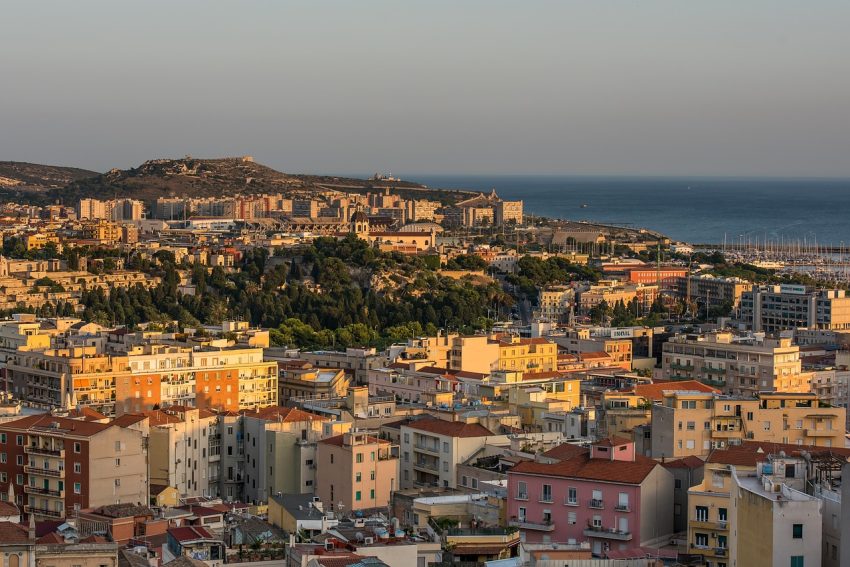
Cagliari is the capital of Sardinia and sits on the island's southern coast, looking out over the Gulf of Cagliari in the Mediterranean. It works especially well as a base because you get a compact, walkable city with sea views, good food, and quick access to beaches and day trips without needing to constantly move hotels. Plan on at least two nights if you want the city to feel unhurried, and three if you also want a proper beach day or an outing beyond town.
The centre is made for slow, scenic walking: start up in Castello for viewpoints and atmospheric lanes, then drift down through Villanova and into the Marina for cafés and dinner. Cagliari is at its best when you keep your schedule light-pick one or two “anchor” sights, then let the rest of the day be shaped by stops for coffee, browsing small shops, and lingering over a long meal. Evenings are easy here: you can stay central and still feel like you're in a local city rather than a resort.
If you’re building a short itinerary, give the city one full day for the old quarters and waterfront, then add either a beach block at Poetto or a nature-and-viewpoint outing at Molentargius (often with flamingos) depending on your mood. Practicalities are straightforward: it’s a comfortable place to travel without a car if you’re staying central, and it’s also a good arrival/departure point for exploring southern Sardinia by train, bus, or a short car hire. Spring and early autumn are the sweet spots for weather and crowds, while summer brings the liveliest evenings but also the hottest walking hours.
Table of Contents
- History of Cagliari
- Cagliari in the Nuragic and Prehistoric Era
- Cagliari Under Phoenician and Punic Influence
- Cagliari as a Roman City
- Cagliari in the Vandal and Byzantine Periods
- Cagliari in the Giudicati and Medieval Transformations
- Cagliari Under Pisan Control
- Cagliari Under Aragonese and Spanish Rule
- Cagliari in the Savoyard Era
- Cagliari and Italian Unification
- Cagliari in the Twentieth Century and World War II
- Cagliari in the Contemporary Period
- 34 Best places to See in Cagliari
- Civic Market of San Benedetto
- Giardini Pubblici
- Galleria Comunale d'Arte
- Cittadella dei Musei
- Cagliari Archaeological Museum
- Torre di San Pancrazio
- Palazzo Regio
- Cattedrale di Santa Maria Assunta e Santa Cecilia
- Roman Amphitheatre of Cagliari
- Torre dell'Elefante
- Biblioteca Universitaria di Cagliari
- Cripta di Santa Restituta
- Chiesa di San Michele
- Bastione di Saint Remy
- Torre dello Sperone
- Orto Botanico di Cagliari
- Basilica di San Saturnino
- MUTSEU - Museo del Tesoro e Area Archeologica di Sant'Eulalia
- Via Roma
- Parco di Monte Urpinu
- Palazzo Civico di Cagliari
- Nuragica Mostra Experience
- Monte Claro Park
- Marina Portus Karalis
- Monumental Cemetery of Bonaria
- Santuario di Nostra Signora di Bonaria
- Tuvixeddu Necropolis
- Castello di San Michele
- Parco Naturale Molentargius Saline
- Parco Terramaini
- Poetto
- Spiaggia di Calamosca
- Porticciolo Turistico Marina Piccola
- Sella del diavolo
- 6 Best Day Trips from Cagliari
- Where to Stay in Cagliari
- Best Time to Visit Cagliari
- How to get to Cagliari
History of Cagliari
Cagliari in the Nuragic and Prehistoric Era
Long before written records, the wider area around Cagliari was inhabited by communities connected to Sardinia’s Nuragic civilisation, known for stone towers (nuraghi), village sites, and a maritime outlook. Archaeological traces from this deep period point to settlement continuity and an early relationship with trade routes that linked Sardinia to the broader western Mediterranean.
Cagliari Under Phoenician and Punic Influence
Cagliari’s earliest urban development is typically associated with Phoenician expansion and, later, Carthaginian (Punic) control. In this phase the city grew as a port-oriented centre with commercial and defensive priorities, shaped by seafaring networks and the strategic logic of competing Mediterranean powers. Elements of Punic-era culture and burial practices left durable archaeological signatures that still frame how scholars understand the city’s earliest city-life.
Cagliari as a Roman City
After Rome consolidated control in Sardinia, Cagliari became an important Roman urban hub. Roman administration brought new civic structures, legal organisation, and infrastructure, while the city’s harbour-facing economy supported movement of goods and people across the empire. Over time, Christian communities also took root, and the late Roman period began to layer religious and institutional change onto an already established city.
Cagliari in the Vandal and Byzantine Periods
With the decline of Western Roman authority, Cagliari passed through upheaval and new rule, including the Vandal period and then Byzantine reconquest. Byzantine governance reconnected the city to an eastern Mediterranean world of imperial administration and church influence. This era is often discussed in terms of continuity under new elites, with the city adapting to shifting military and economic realities.
Cagliari in the Giudicati and Medieval Transformations
In the medieval centuries, Sardinia developed its distinctive local polities known as the Giudicati. Cagliari’s role evolved amid alliances, rivalries, and the pressures of maritime republics seeking influence. The city’s political fortunes could change quickly as competing powers pursued control over strategic ports, taxation, and trade, setting the stage for more direct external domination.
Cagliari Under Pisan Control
Pisa’s ascendancy marked a major reshaping of Cagliari’s medieval identity, with fortification and urban reorganisation reflecting the priorities of a powerful maritime state. Administrative systems, architectural forms, and defensive works from this period influenced the city’s long-term layout and elite culture. The imprint of Pisan rule is often treated as a turning point in how the city was physically and institutionally structured.
Cagliari Under Aragonese and Spanish Rule
Cagliari later came under Aragonese control and, as political structures merged, became part of the Spanish sphere. This long phase brought new layers of governance, legal tradition, and social hierarchy, with the city functioning as an administrative centre within a wider Mediterranean empire. The period also involved recurring pressures: external threats, economic fluctuation, and the gradual evolution of civic institutions.
Cagliari in the Savoyard Era
In the early eighteenth century, Sardinia (and Cagliari as its principal civic centre) moved under the House of Savoy, linking the city to a dynastic state that would later play a central role in Italian unification. Reforms and administrative modernisation unfolded unevenly, often balancing local realities with centralising ambitions. Cagliari’s political importance within Sardinia remained strong, even as broader European currents reshaped governance and society.
Cagliari and Italian Unification
During the nineteenth century, Cagliari experienced changes tied to modern state-building, including shifts in administration, education, and infrastructure. As Italy unified, the city’s institutions were integrated into national frameworks, while local economic and social life adjusted to new markets and political structures. This era is less about a single rupture and more about accelerating transformation under the pressures of modernisation.
Cagliari in the Twentieth Century and World War II
The twentieth century brought rapid change, including industrial and demographic shifts, and the disruptions of war. Cagliari suffered significant damage during World War II, followed by substantial reconstruction that altered parts of the urban fabric and living patterns. Post-war decades focused on rebuilding, expanding services, and reorienting the city toward new economic realities and mobility.
Cagliari in the Contemporary Period
In recent decades, Cagliari has continued to evolve as a regional capital with a growing emphasis on culture, services, and year-round city life. Urban renewal, heritage conservation, and changes in tourism have helped reframe how the city presents itself, while everyday life remains shaped by the interplay between historic neighbourhoods and modern development. The result is a city whose history reads as layered rather than linear – each era leaving traces that still influence identity and atmosphere today.

Moira & Andy
Hey! We're Moira & Andy. From hiking the Camino to trips around Europe in Bert our campervan — we've been traveling together since retirement in 2020!
Visiting Cagliari for the first time and wondering what are the top places to see in the city? In this complete guide, I share the best things to do in Cagliari on the first visit. To help you plan your trip, I have also included an interactive map and practical tips for visiting!
This website uses affiliate links which earn a small commission at no additional cost to you.

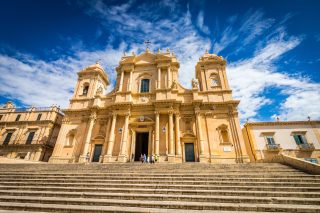
34 Best places to See in Cagliari
This complete guide to Cagliari not only tells you about the very best sights and tourist attractions for first-time visitors to the city but also provide insights into a few of our personal favorite things to do.
This is a practical guide to visiting the best places to see in Cagliari and is filled with tips and info that should answer all your questions!
1. Civic Market of San Benedetto

Location: Piazza Amedeo Nazzari, 09128 Cagliari CA, Italy | Hours: Monday – Friday: 07:00–14:00. Saturday: 07:00–15:00. Closed on Sunday. | Price: Free. | Website | Distance: 0.1km

2. Giardini Pubblici

Location: Largo Giuseppe Dessì, 09123 Cagliari CA, Italy | Hours: (Winter) October 1 – April 30; Daily: 06:30–24:00. (Summer) May 1 – September 30; Daily: 05:30–24:00. | Price: Free. | Website | Distance: 0.3km
3. Galleria Comunale d'Arte
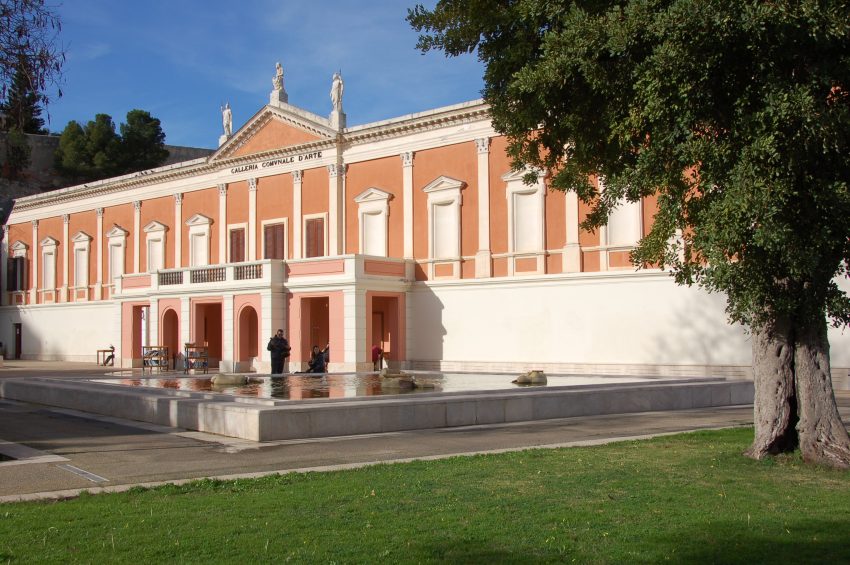
Location: Viale S. Vincenzo, 2, 09123 Cagliari CA, Italy | Hours: Tuesday – Sunday: 10:00–18:00. Closed on Monday. | Price: Adults: €6; Reduced: €3; Children under 6: free. | Website | Distance: 0.5km
4. Cittadella dei Musei

Location: Piazza Arsenale, 1, 09123 Cagliari CA, Italy | Hours: Monday: 08:30–19:30. Tuesday: Closed. Wednesday – Sunday: 08:30–19:30. | Price: Adults: €10; Reduced: €5; EU ages 18–24: €2; Under 18: free. | Website | Distance: 0.5km
5. Cagliari Archaeological Museum
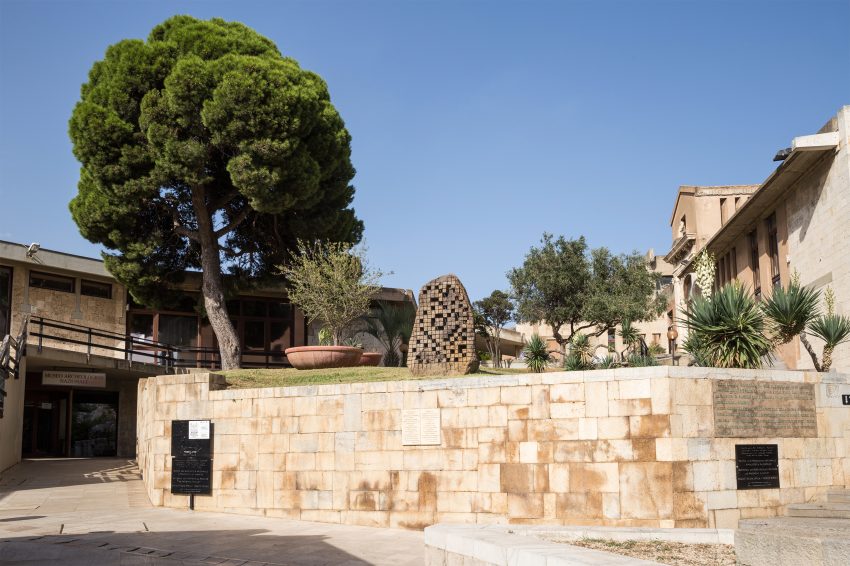
Location: Piazza Arsenale, 1, 09124 Cagliari CA, Italy | Hours: Wednesday – Monday: 08:30–19:30. Tuesday: Closed. Ticket office closes at 18:45. | Price: Adults: €10; Reduced: €5; EU citizens 18–24: €2; Under 18: free. Free entry on the first Sunday of each month. | Website | Distance: 0.5km
6. Torre di San Pancrazio
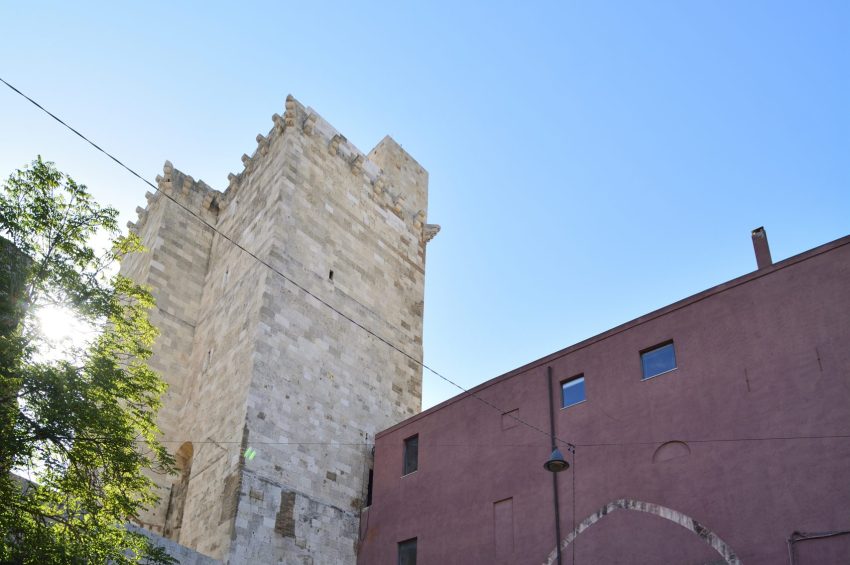
Location: Piazza dell' Indipendenza, 09124 Cagliari CA, Italy | Hours: Check official website. | Price: Check official website. | Website | Distance: 0.5km
7. Palazzo Regio
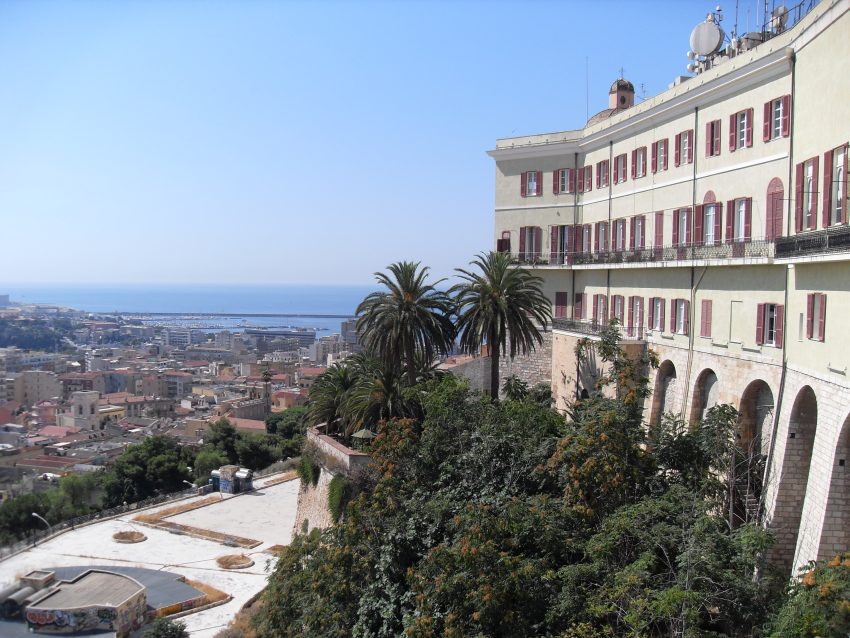
Location: Piazza Palazzo, 1, 09124 Cagliari CA, Italy | Hours: (Summer) May 1 – October 31; Daily: 10:00–19:00. (Winter) November 1 – April 30; Daily: 10:00–18:30. | Price: Palace visit: €3; Palace + temporary exhibitions (if any): €4; Guided visit: €5. | Distance: 0.6km
8. Cattedrale di Santa Maria Assunta e Santa Cecilia
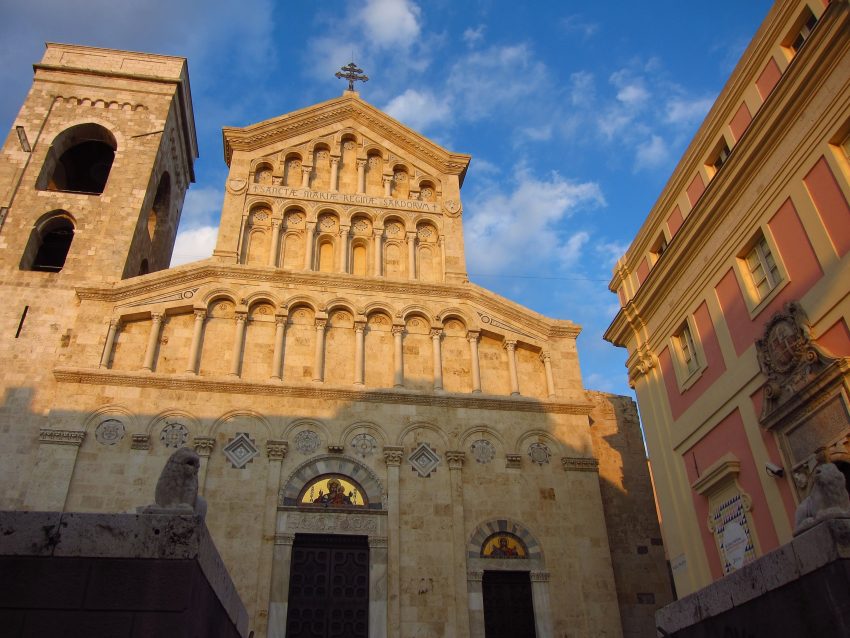
Location: Piazza Palazzo, 4/a, 09124 Cagliari CA, Italy | Hours: Monday – Saturday: 09:00–20:00. Sunday: 08:00–13:00 & 16:00–20:30. Monday – Saturday (Bell Tower): 13:00–16:00. | Price: Free; donations appreciated. | Website | Distance: 0.7km
9. Roman Amphitheatre of Cagliari
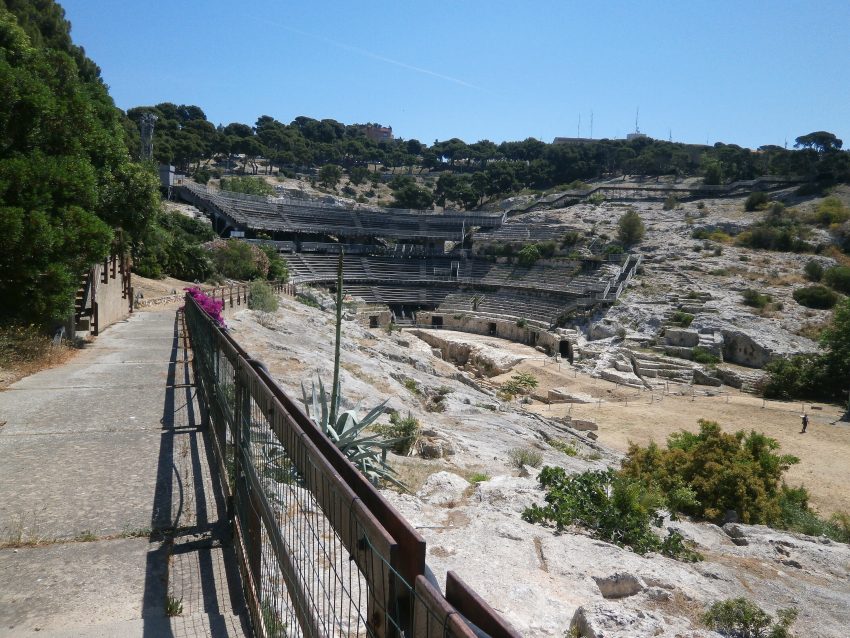
Location: Via Sant'Ignazio da Laconi, 09123 Cagliari CA, Italy | Hours: (Summer) April 28 – September 30; Daily: 10:00–13:00 & 15:00–19:00. (Winter) October 1 – April 27; Daily: 10:00–17:00. | Price: Adults: €3 | Website | Distance: 0.8km
10. Torre dell'Elefante
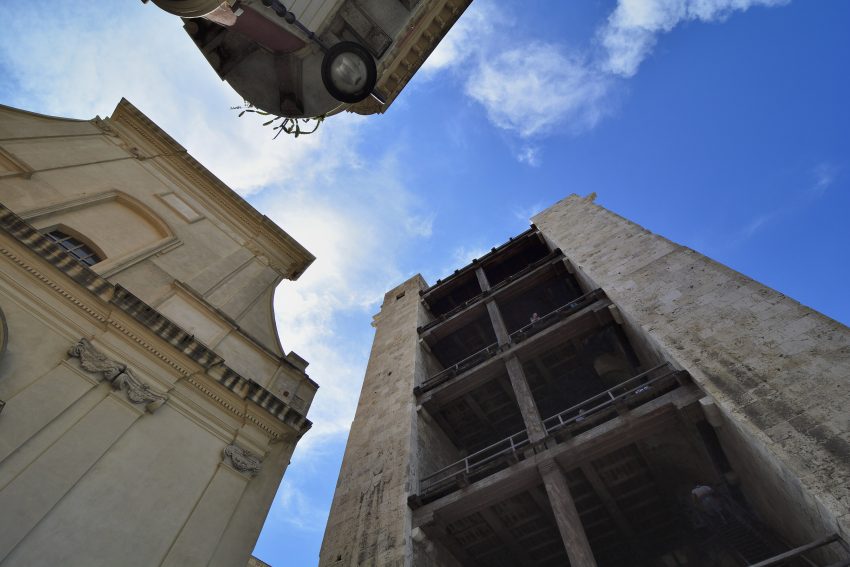
Location: Piazza S. Giuseppe, 5, 09124 Cagliari CA, Italy | Hours: (Summer) April 28 – September 30; Monday – Sunday: 10:00–13:00 & 15:00–19:00. (Winter) October 1 – April 27; Monday – Sunday: 10:00–17:00. | Price: Adults: €3; Reduced: €2; School groups: €1; Combined cultural-sites ticket: €8; Free for people with disabilities and one companion. | Website | Distance: 0.9km
11. Biblioteca Universitaria di Cagliari
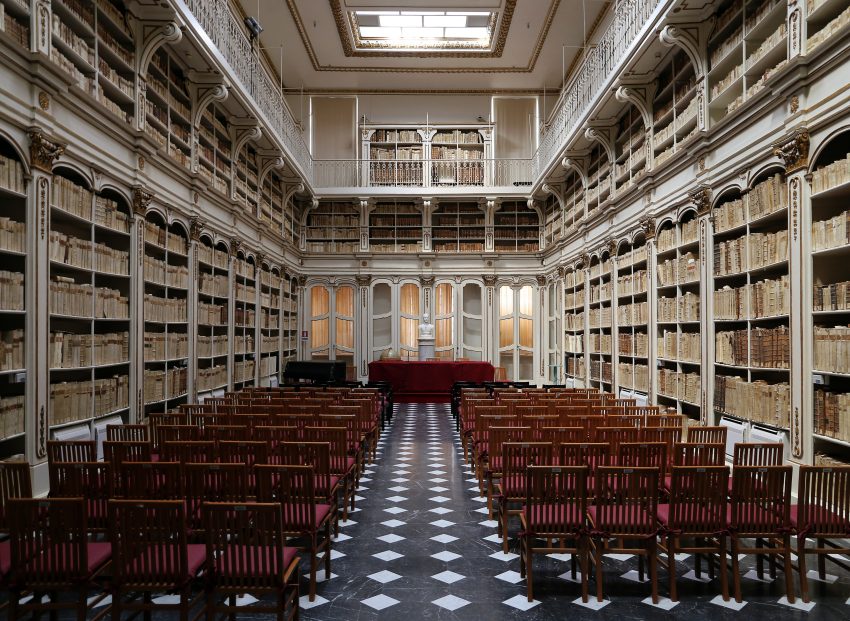
Location: Via Università, 32, 09124 Cagliari CA, Italy | Hours: Monday: 08:30–13:30. Tuesday: 08:30–17:00. Wednesday: 08:30–13:30. Thursday: 08:30–17:00. Friday: 08:30–13:30. Saturday: 08:30–13:30. Sunday: Closed. | Price: Free. | Website | Distance: 0.9km
12. Cripta di Santa Restituta
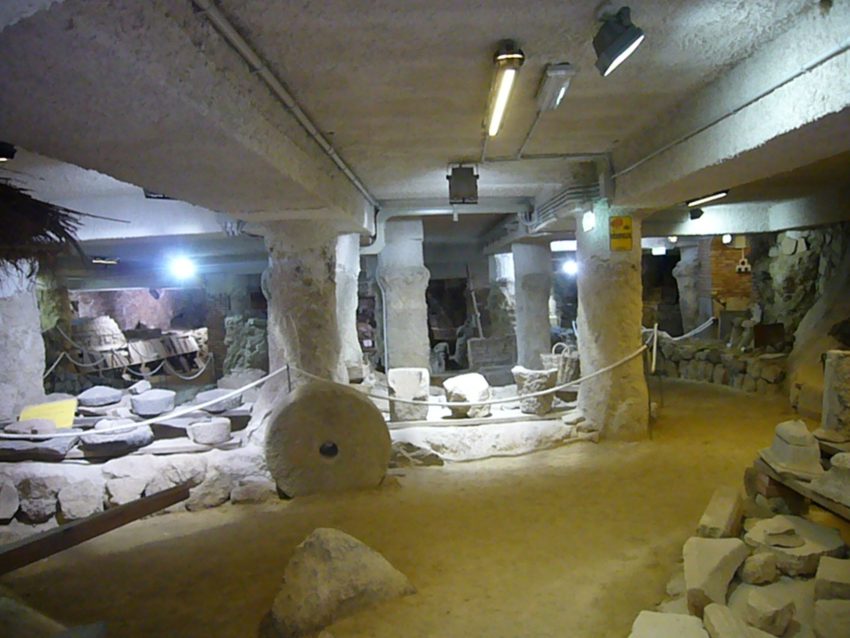
Location: Via Sant'Efisio, 14, 09124 Cagliari CA, Italy | Hours: (Summer) April 28 – September 30; Daily: 10:00–13:00 & 15:00–19:00. (Winter) October 1 – April 27; Daily: 10:00–17:00. | Price: Adults: €3; Reduced: €2; School groups: €1; Under 4: free; People with disabilities + carers: free; Combined cultural-sites ticket: €8. | Website | Distance: 0.9km
13. Chiesa di San Michele
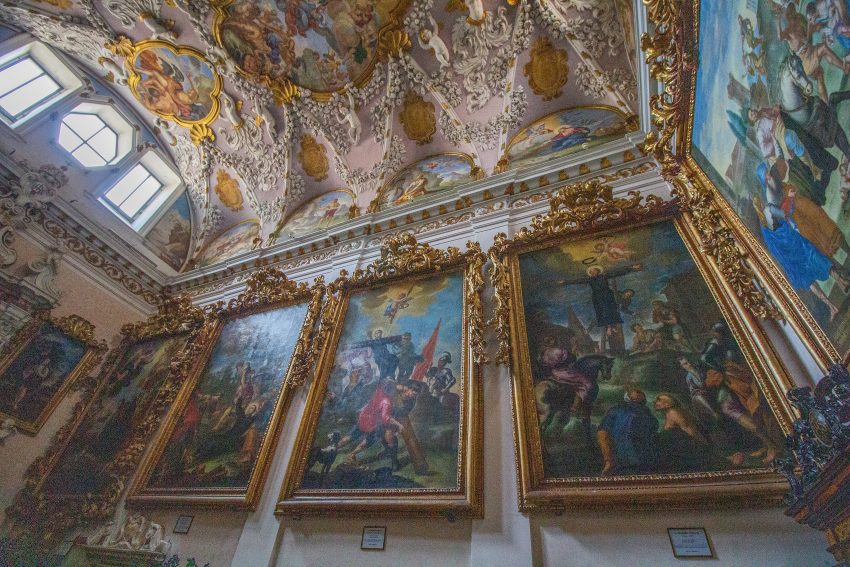
Location: Via Ospedale, 2, 09123 Cagliari CA, Italy | Hours: Monday – Friday: 10:30–12:30 & 17:00–20:30. Saturday: 10:30–12:30 & 19:00–21:00. Sunday: 10:00–12:00 & 19:00–21:00. | Price: Free; donations appreciated. | Website | Distance: 1km
14. Bastione di Saint Remy
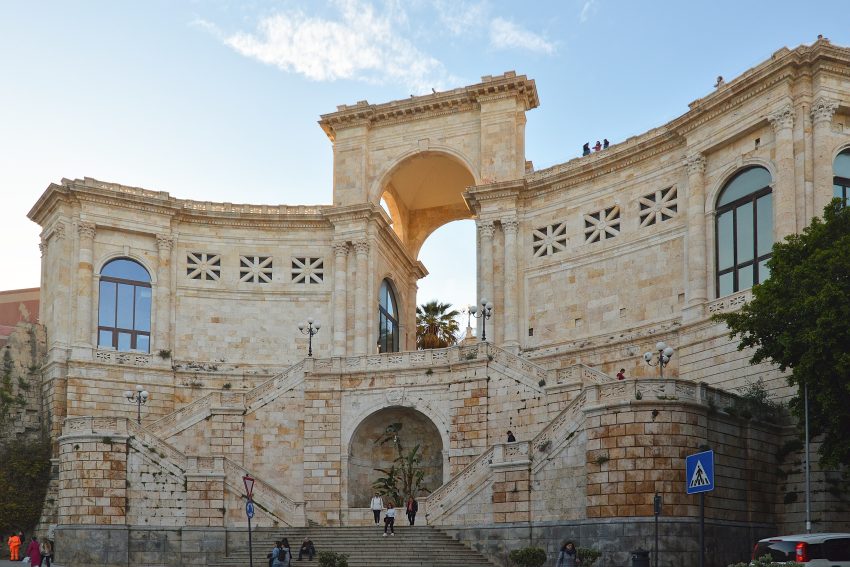
Location: Piazza Costituzione, 09121 Cagliari CA, Italy | Hours: (Summer) April 28 – September 30; Daily: 10:00–13:00 & 15:00–19:00. (Winter) October 1 – April 27; Daily: 10:00–17:00. | Price: Terraces: Free. Covered Walkway + Sperone Gallery: Adults from €3; Reduced from €2; School groups €1; Under 6: free. | Website | Distance: 1km
15. Torre dello Sperone

Location: Via Ospedale, 1, 09123 Cagliari CA, Italy | Hours: 24 Hours. | Price: Free. | Distance: 1.1km
16. Orto Botanico di Cagliari
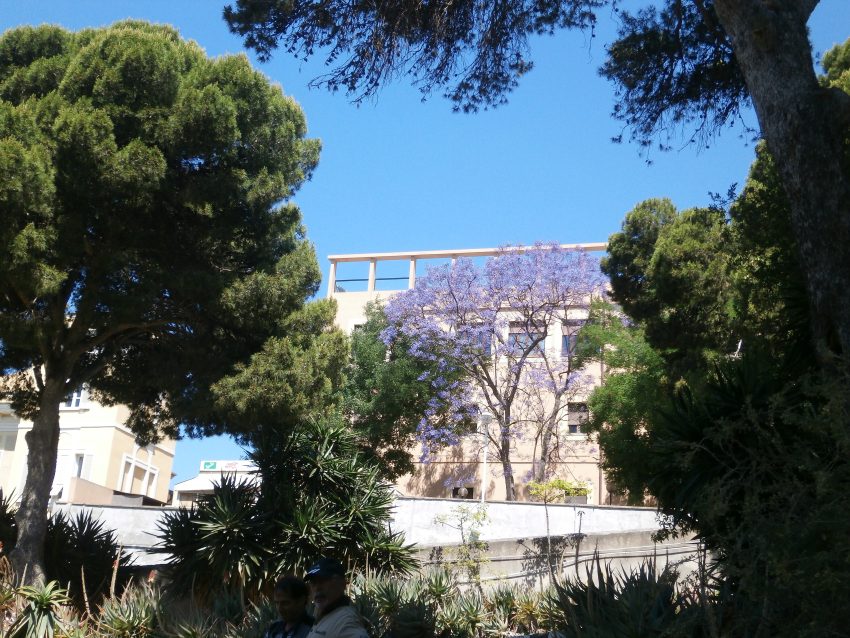
Location: Via Sant'Ignazio da Laconi, 11, 09123 Cagliari CA, Italy | Hours: (Summer) April 1 – October 31; Tuesday – Sunday: 09:00–18:00. Closed on Monday. (Winter) November 1 – March 31; Tuesday – Sunday: 09:00–16:00. Closed on Monday. | Price: Adults: €6; Reduced: €4; Under 6: free. | Website | Distance: 1.1km
17. Basilica di San Saturnino

Location: Piazza S. Cosimo, 09127 Cagliari CA, Italy | Hours: Monday – Saturday: 09:00–14:00. Sunday: Closed. | Price: Free | Website | Distance: 1.1km
18. MUTSEU - Museo del Tesoro e Area Archeologica di Sant'Eulalia
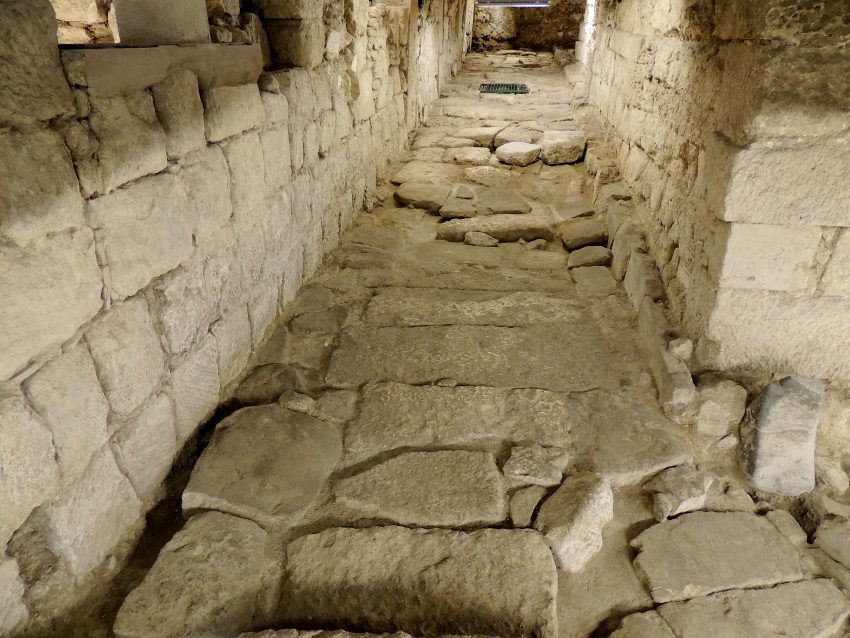
Location: V. del Collegio, 2, 09124 Cagliari CA, Italy | Hours: Monday – Sunday: 09:30–13:00 & 16:00–19:00. | Price: Adults: €5.00; Reduced (children aged 6+, students up to 26): €2.50; Under 6 & visitors with disabilities: free. | Website | Distance: 1.2km
19. Via Roma
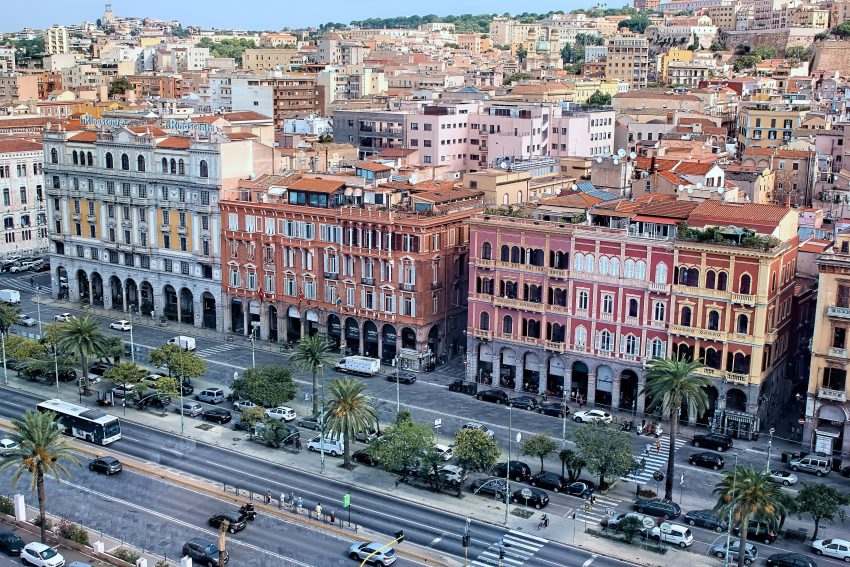
Location: Via Roma, Cagliari CA, Italy | Hours: 24 Hours. | Price: Free. | Distance: 1.4km
20. Parco di Monte Urpinu

Location: Viale Europa, 09129 Cagliari CA, Italy | Hours: (January – March) Daily: 06:30–21:00. (April) Daily: 06:00–22:00. (May – September) Daily: 05:30–23:00. (October – December) Daily: 06:30–22:00. | Price: Free. | Website | Distance: 1.4km
21. Palazzo Civico di Cagliari
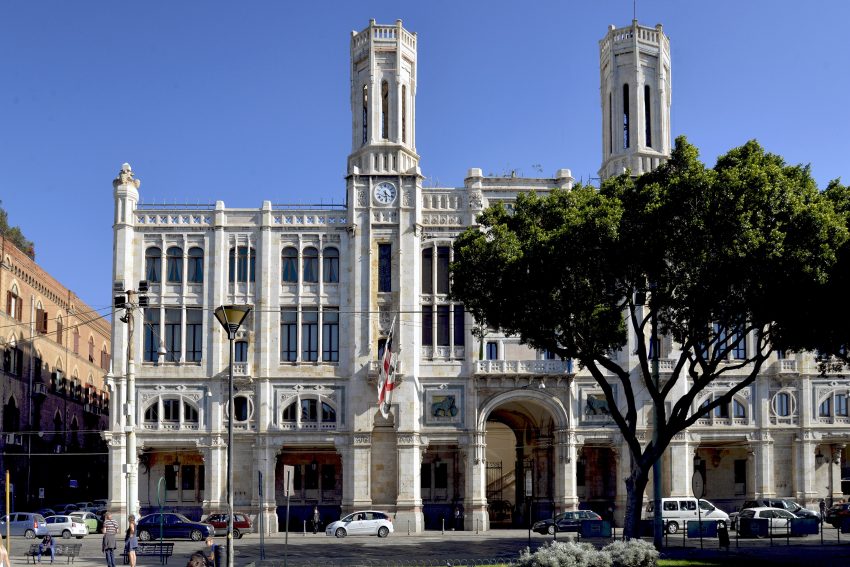
Location: Via Roma, 145, 09124 Cagliari CA, Italy | Hours: (Summer) Daily: 09:00–20:00. (Winter) Monday – Saturday: 10:00–13:00 & 14:00–18:00; Sunday: 10:00–13:00. | Price: Check official website. | Website | Distance: 1.4km
22. Nuragica Mostra Experience
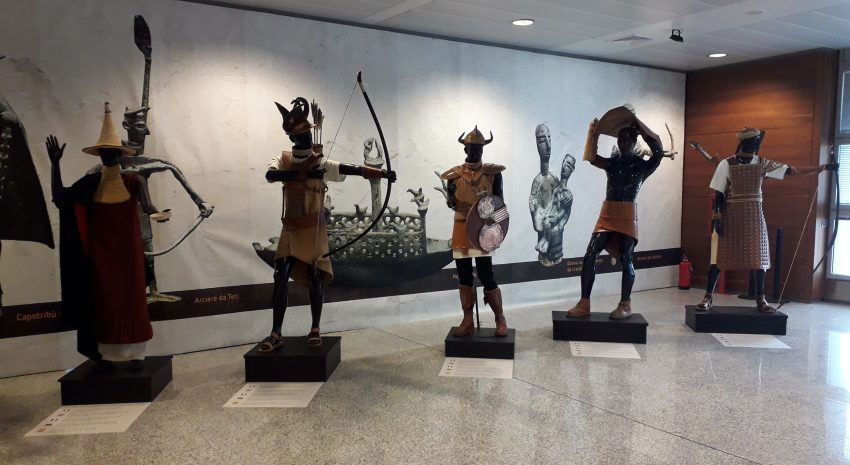
Location: Via Roma, 191, 09125 Cagliari CA, Italy | Hours: Daily: 10:00–13:00 & 17:00–21:00. Closed on Thursday. | Price: Adults: €15; Ages 6–18: €10; Under 5: free. | Website | Distance: 1.4km
23. Monte Claro Park

Location: Via Diego Cadello, 11, 09121 Cagliari CA, Italy | Hours: (Summer) May 1 – October 31; Daily: 07:00–22:00. (Winter) November 1 – April 30; Daily: 07:00–20:00. | Price: Free. | Website | Distance: 1.5km
24. Marina Portus Karalis
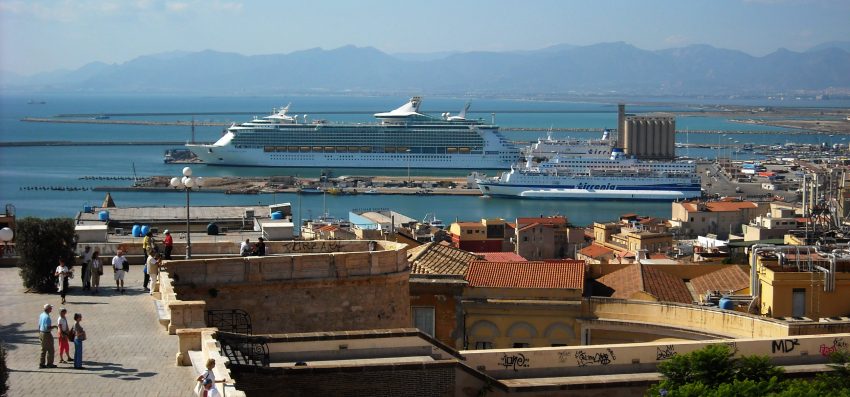
Location: Molo Dogana, 09125 Cagliari CA, Italy | Hours: 24 Hours. | Price: Free. | Website | Distance: 1.5km
25. Monumental Cemetery of Bonaria

Location: Viale Cimitero, 09100 Cagliari CA, Italy | Hours: Wednesday: 08:00–13:00. Thursday: 14:30–18:00. Saturday: 08:00–13:00. Sunday: 08:00–13:00. Closed on Monday, Tuesday, Friday. | Price: Free. | Distance: 1.6km
26. Santuario di Nostra Signora di Bonaria

Location: Piazza Bonaria, 2, 09125 Cagliari CA, Italy | Hours: Monday – Friday: 06:30–11:45 & 16:00–18:30. Saturday – Sunday: 06:30–12:30 & 16:00–20:00. | Price: Free; donations appreciated. | Website | Distance: 1.7km
27. Tuvixeddu Necropolis

Location: Via Falzarego, 09123 Cagliari CA, Italy | Hours: (Winter) January – March: 06:00–21:00; October – December: 06:30–22:00. (Summer) April – September: 05:30–22:30. | Price: Free. | Website | Distance: 1.8km
28. Castello di San Michele

Location: Via Giovanni Cinquini, 09121 Cagliari CA, Italy | Hours: Tuesday – Thursday: 10:00–18:00. Saturday – Sunday: 10:00–18:00. Closed on Monday, Friday. | Price: Adults: €4; Reduced: €2; Children 0–6: free; Guided visit: €8 (reduced €5). | Website | Distance: 2.5km
29. Parco Naturale Molentargius Saline

Location: Via la Palma, 9a, 09126 Cagliari CA, Italy | Hours: 24 Hours. | Price: Free. | Website | Distance: 2.9km
30. Parco Terramaini

Location: Via Andrea Vesalio, 09121 Cagliari CA, Italy | Hours: (Summer) April 1 – September 30; Daily: 05:30–00:00. (Winter) October 1 – March 31; Daily: 06:00–22:00. | Price: Free. | Website | Distance: 3km
31. Poetto

Location: Poetto, Italy | Hours: 24 Hours. | Price: Free. | Website | Distance: 4.6km
32. Spiaggia di Calamosca

Location: 09126 Calamosca CA, Italy | Hours: 24 Hours. | Price: Free. | Website | Distance: 4.9km
33. Porticciolo Turistico Marina Piccola

Location: Porticciolo di Marina Piccola, 09126 Cagliari CA, Italy | Hours: 24 Hours. | Price: Free. | Website | Distance: 4.9km
34. Sella del diavolo

Location: Viale Calamosca, 50, 09126 Cagliari CA, Italy | Hours: 24 Hours. | Price: Free. | Website | Distance: 5.4km
Best Day Trips from Cagliari
A day trip from Cagliari offers the perfect opportunity to escape the urban rhythm and discover the surrounding region's charm. Whether you're drawn to scenic countryside, historic villages, or cultural landmarks, the area around Cagliari provides a variety of easy-to-reach destinations ideal for a one-day itinerary. If you are looking to rent a car in Italy I recommend having a look at Discover Cars, first, as they compare prices and review multiple car rental agencies for you.
1. Chiesa di Santa Maria di Sibiola

Location: Chiesa Romanica di Santa Maria di Sibiola, Serdiana, Metropolitan City of Cagliari, Italy | Hours: Daily: Exterior accessible at any time. Interior open only during services, weddings & special openings. | Price: Free. | Website | Distance: 16km
Visiting Chiesa di Santa Maria di Sibiola
2. Acquafredda Castle

Location: Castello di Acquafredda, Strada Statale 293 di Giba, Siliqua, Metropolitan City of Cagliari, Italy | Hours: Daily: 09:30–17:30. Last entry: 16:15. | Price: €8 guided tour; €5 entry without the guided tour; €3.50 reduced (typically children 6–13 and over 65). | Website | Distance: 26.6km
Visiting Acquafredda Castle
3. Nora Archaeological Site

Location: Nora Archaeological Park, Viale Nora, Pula, Metropolitan City of Cagliari, Italy | Hours: January – February: Daily: 09:00–17:00. March: Daily: 09:00–18:00. April – May: Daily: 09:00–19:00. June – September: Daily: 09:00–20:30. October: Daily: 09:00–19:00. November – December: Daily: 09:00–17:00. | Price: Adults: €10 | Website | Distance: 27.9km
Visiting Nora Archaeological Site
4. Su Nuraxi di Barumini

Location: Su Nuraxi di Barumini, Viale Su Nuraxi, Barumini, Province of South Sardinia, Italy | Hours: January – February: 09:00–17:00; March: 09:00–17:30; April: 09:00–19:30; May – August: 09:00–20:00; September: 09:00–19:30; October: 09:00–18:30; November – December: 09:00–17:00. | Price: €16 (adults 18+); €14 (ages 13–17); €12 (ages 7–12); free (ages 0–6). | Website | Distance: 54.8km
Visiting Su Nuraxi di Barumini
5. Tempio di Antas

Location: Tempio di Antas - Sardus Pater, Strada Comunale Antas, Fluminimaggiore, Province of South Sardinia, Italy | Hours: (Summer) April – June: Daily: 09:30–17:30; July – 15 September: Daily: 09:30–19:30; 16 – 30 September: Daily: 09:30–18:30; October: Daily: 09:30–17:30. (Winter) November: Wednesday – Friday: 10:00–14:00; Saturday – Sunday: 09:30–16:30. Closed on Monday – Tuesday. December – February: Friday: 10:00–14:00; Saturday – Sunday: 09:30–16:30. | Price: €6 standard; €5 reduced; €4 schools & children 6–13; free for children up to 5, over 80, and some visitors with disabilities (site policy varies by category). | Website | Distance: 56.7km
Visiting Tempio di Antas
6. Terme Romane di Fordongianus

Location: Terme Romane di Fordongianus, SP33, Fordongianus, Province of Oristano, Italy | Hours: Daily: 09:30–13:00 & 14:30–17:00. Closed on 25 December and 1 January. | Price: €6 full; €3 reduced (ages 6–14); free (ages 0–5); groups (20+): €5. | Website | Distance: 90.1km
Visiting Terme Romane di Fordongianus
Where to Stay in Cagliari
If you want to do Cagliari on foot and have the most “Cagliari” atmosphere outside your door, base yourself in the historic core: Castello and Villanova. Castello is the hilltop old town (views, small lanes, quick access to the cathedral and bastions), while Villanova is a little calmer and more residential but still central for evenings. In Castello, Birkin Castello works well if you want to sleep right inside the historic quarter and step straight into the sights. Just outside the busiest lanes, Hotel Villa Fanny is a strong boutique choice when you want a quieter, more refined base that’s still walkable into the centre.
For restaurants, bars, and straightforward logistics (port/train/buses), the Marina and the lower centre around Via Roma are usually the easiest. You’re close to the waterfront promenades, plenty of dining, and you can get in and out of town without fuss. Hotel Miramare Cagliari is a good fit if you like character and being in the middle of the action, while Hotel Regina Margherita is a dependable central option when you want comfort and a very practical location between the historic areas and the harbour.
If you prefer a more “hotel-as-a-destination” feel, or you want a slightly more polished, upscale base, look at the modern centre near the main shopping streets and civic areas rather than deep inside the old lanes. Palazzo Doglio suits travellers who want a higher-end stay with an on-site courtyard scene and an easy walk into the centre. If you want contemporary rooms and a proper spa-style reset after sightseeing, UNA HOTELS T Hotel Cagliari is a strong pick. And if your priority is beach time with the city still reachable by taxi or bus, Poetto is the simplest base—Hotel Nautilus is well-placed for mornings on the sand and sunset walks on the promenade.
Using the our Hotel and Accomodation map, you can compare hotels and short-term rental accommodations in Cagliari. Simply insert your travel dates and group size, and you’ll see the best deals for your stay.
Cagliari Accommodation Map
Best Time to Visit Cagliari
Cagliari in Spring (Best)
Spring is the most balanced time to visit Cagliari: warm, bright days for walking the old quarters, but not yet the heavy summer heat. April through early June is particularly good for combining city sightseeing with early beach time, and you’ll generally find better value and easier restaurant reservations than peak summer. A key highlight is the Festa di Sant’Efisio at the start of May, when processions, traditional dress, music, and events bring a big surge of atmosphere and crowds—book accommodation early if you want to be in town for it.
Cagliari in Summer
Summer in Cagliari is for beach-first trips, late dinners, and a lively evening scene, but it can be very hot for midday walking—plan your sightseeing early and save the middle of the day for the sea. June is often the easiest “summer” month for combining city and coastline without peak-season pressure, while July and August are busiest and most expensive. Mid-August (Ferragosto) is a focal point for local events and a general holiday buzz, which is great if you want energy, but it also means higher prices and more crowded beaches.
Cagliari in Autumn
Early autumn is a strong alternative to spring: the sea stays inviting, the heat eases, and the city feels more relaxed while still very much “open” for visitors. September is the sweet spot if you want beach days without high-summer intensity, and October is better if your priority is urban exploring with comfortable walking temperatures. Festival-wise, autumn is a good season for food-and-craft culture on the island, with events such as Autumn in Barbagia (weekends from September into December) making a worthwhile add-on as a day trip if you want traditional villages, local produce, and artisan work alongside your time in Cagliari.
Cagliari in Winter
Winter is quieter and often good value, with a calmer, more local feel and plenty of time to enjoy the city without queues. Expect cooler evenings and a higher chance of rain, so it suits travellers who prioritise museums, long lunches, and unhurried neighbourhood wandering rather than beach time. If you want Cagliari at its most low-key—and you don’t mind trading swimming weather for space and prices—winter can work very well.
Annual Weather Overview
- January 13°C 59°F
- February 14°C 61°F
- March 17°C 66°F
- April 18°C 68°F
- May 23°C 77°F
- June 30°C 90°F
- July 31°C 97°F
- August 29°C 92°F
- September 28°C 86°F
- October 24°C 79°F
- November 18°C 68°F
- December 16°C 65°F
How to get to Cagliari
Getting to Cagliari by air
Nearest airport: Cagliari Elmas Airport (CAG) is the main gateway and the closest airport to the city. It has the broadest range of domestic routes (especially from Milan and Rome) and seasonal international services.
Airport to the city centre: the simplest option is the direct airport train to Cagliari station (fast, frequent, and avoids traffic). Taxis and rides are available outside arrivals; they’re convenient if you have luggage or you’re staying up in the older quarters where the final walk can be steep.
Arriving via other Sardinia airports: Olbia Costa Smeralda Airport (OLB) and Alghero-Fertilia Airport (AHO) can work if flights are cheaper, but you'll need a longer onward transfer (typically several hours) by train/bus combinations or a car.
Getting to Cagliari by train
Mainline routes on the island: Cagliari is the southern hub of Sardinia’s rail network, with regular services north via Oristano and onward connections toward Sassari, Porto Torres, and Olbia-area stations (via interchanges depending on the route and timetable). This is the best option if you’re linking Cagliari with other towns without driving, but it’s worth planning around the island’s slower rail speeds compared with the mainland.
Airport rail link: the airport train is part of the same rail system, so you can step off a flight and be at Cagliari station quickly, then continue on to other destinations if needed.
Train operators (links): Trenitalia (national rail, including Sardinia services) — trenitalia.com
ARST (regional transport in Sardinia, including rail/bus services) — arst.sardegna.it
Getting to Cagliari by Car
Driving within southern Sardinia: if you’re already on the island, Cagliari is straightforward to reach by main roads, and a car is useful if you plan to explore beaches and small coastal towns where public transport is limited. The trade-off is city parking, limited-access traffic areas, and narrower streets near the historic quarters—many travellers prefer to park once and walk.
Arriving “by car” from mainland Italy: you’ll typically combine driving with a ferry crossing to Sardinia, then drive onward to Cagliari. Common ferry operators include Grimaldi Lines, Tirrenia, and Moby; availability varies by season, and some routes arrive at ports other than Cagliari, which adds drive time.
Practical car notes: choose accommodation with parking if possible, and confirm whether your hotel is inside a restricted traffic zone (ZTL) or on streets where access is limited. If you are looking to rent a car in Italy I recommend having a look at Discover Cars, first, as they compare prices and review multiple car rental agencies for you.
Travelling around Cagliari
On foot and by local transit: central Cagliari is compact and walkable, especially between Castello, Villanova, and the Marina, but expect hills and steps. For longer hops (Poetto beach, outlying neighbourhoods, or evening returns), the city bus network is usually the most practical option.
Local operators (links): CTM Cagliari (urban buses) — ctmcagliari.it
For regional day trips by rail/bus, use the operator links above (Trenitalia and ARST). Taxis are easy for short door-to-door journeys, and car hire becomes valuable if you want to string together multiple beaches or rural stops in a single day.