Amboise, France: The Ultimate Travel Guide 2026
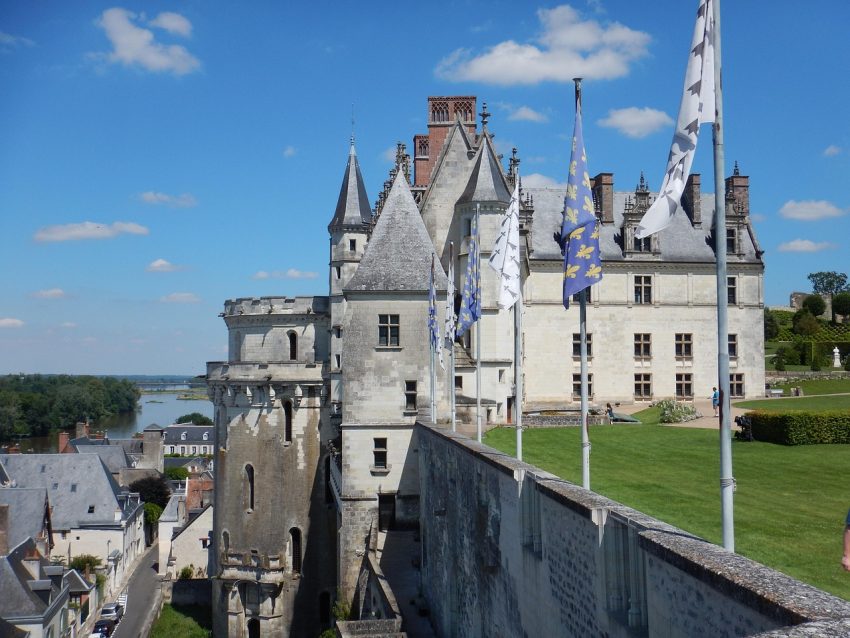
Amboise is a charming town located along the Loire River, offering visitors a peaceful yet lively atmosphere with its beautiful streets, markets, and stunning views. The town is known for its impressive Renaissance architecture, particularly the grand Château d'Amboise, which overlooks the river and the town below. Strolling through its historic center, visitors can explore quaint cafes, local shops, and the vibrant Place Michel Debré, where many events and festivals are held throughout the year.
For those interested in nature, Amboise is surrounded by picturesque landscapes, making it perfect for outdoor activities like cycling and hiking. The town also serves as a great base for exploring the nearby Loire Valley vineyards, with many local wineries offering tours and tastings. Whether you're exploring the historic châteaux, enjoying a leisurely walk along the riverbanks, or relaxing in the lush parks, Amboise provides a serene yet dynamic experience for all types of travelers.
History of Amboise
Early History of Amboise
Amboise’s origins date back to the Roman period, but it gained significance during the medieval era as a small fortress town. By the 9th century, it became an important stronghold for the kings of France. Its strategic position along the Loire River made it an essential location for military defense and trade during this time.
Amboise in the Middle Ages
In the Middle Ages, Amboise flourished as a royal residence. The construction of Château d’Amboise, which began in the late 15th century, solidified the town’s status as an important center of power. The castle was the residence of several French kings, including Charles VIII, who made Amboise his primary residence and expanded the royal domain.
Amboise in the Renaissance
The Renaissance was a period of great transformation for Amboise, as it became a hub for cultural and artistic developments. Under King Francis I, the town became a center for Renaissance art and intellectual thought. The Château d’Amboise underwent significant renovations, and Leonardo da Vinci, who was invited by the king, spent the final years of his life in the town.
Amboise in the 17th and 18th Centuries
During the 17th century, Amboise’s importance began to wane as the French monarchy focused more on Paris. The château fell into disrepair, and much of the royal attention shifted elsewhere. However, the town continued to thrive as a market town and remained an important part of the Loire Valley region. By the 18th century, it had established itself as a popular stop for travelers exploring the Loire region.
Amboise in the 19th and 20th Centuries
The 19th century saw the restoration of Château d’Amboise, which had suffered neglect during previous centuries. The town became increasingly popular as a tourist destination, particularly after it was connected by railway to other major cities. During the 20th century, Amboise continued to attract visitors drawn to its historical significance, the majestic château, and the town’s charming atmosphere, which has been carefully preserved to this day.

Moira & Andy
Hey! We're Moira & Andy. From hiking the Camino to trips around Europe in Bert our campervan — we've been traveling together since retirement in 2020!
Visiting Amboise for the first time and wondering what are the top places to see in the city? In this complete guide, I share the best things to do in Amboise on the first visit. To help you plan your trip, I have also included an interactive map and practical tips for visiting!
This website uses affiliate links which earn a small commission at no additional cost to you.
2 Best places to See in Amboise
This complete guide to Amboise not only tells you about the very best sights and tourist attractions for first-time visitors to the city but also provide insights into a few of our personal favorite things to do.
This is a practical guide to visiting the best places to see in Amboise and is filled with tips and info that should answer all your questions!
1. Royal d’Amboise
Location: Château royal d'Amboise, Montée de l'Emir Abd el Kader, Amboise, France | Hours: Summer: 9:00 AM – 6:30 PM Winter: 9:00 AM – 4:30 PM (Check Website) | Price: Adults: €16.40 | Website | Distance: 0.6km

2. Château du Clos Lucé
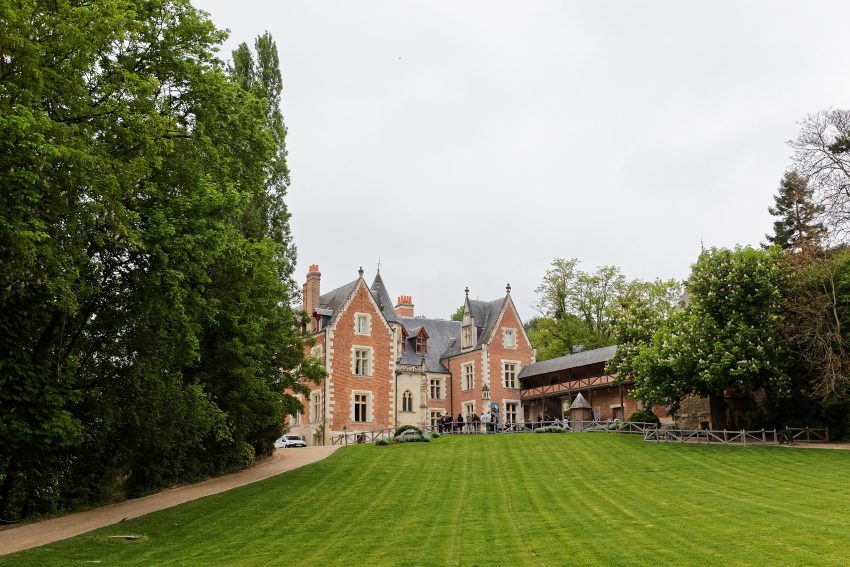
Location: Château du Clos Lucé, Rue du Clos Lucé, Amboise, France | Hours: Winter: 10.00 am to 6.00 pm Summer: 9.00 am to 8.00 pm | Price: Adults: €19,50 | Website | Distance: 0.9km
Best Day Trips from Amboise
A day trip from Amboise offers the perfect opportunity to escape the urban rhythm and discover the surrounding region's charm. Whether you're drawn to scenic countryside, historic villages, or cultural landmarks, the area around Amboise provides a variety of easy-to-reach destinations ideal for a one-day itinerary. If you are looking to rent a car in France I recommend having a look at Discover Cars, first, as they compare prices and review multiple car rental agencies for you.
1. Tours (Loire)
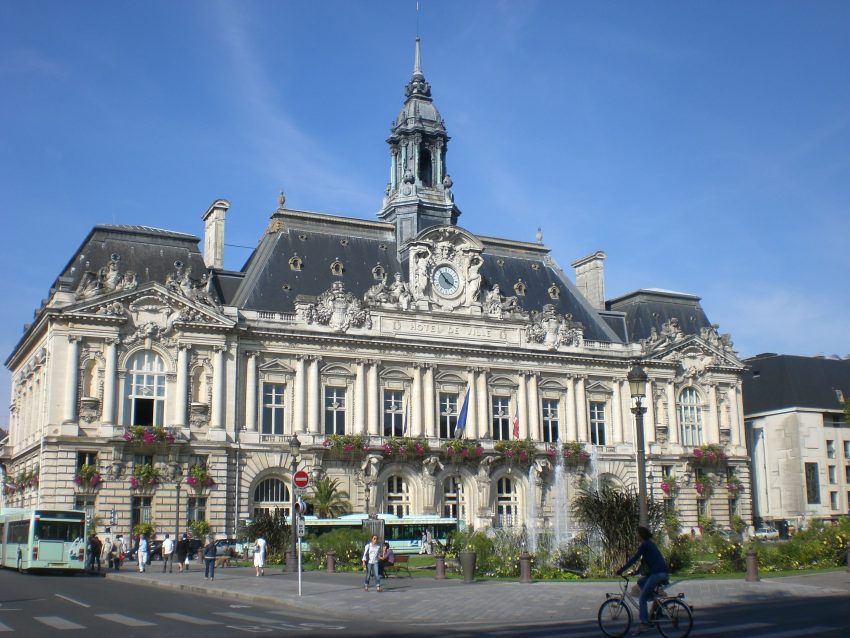
Visiting Tours (Loire)
2. Blois
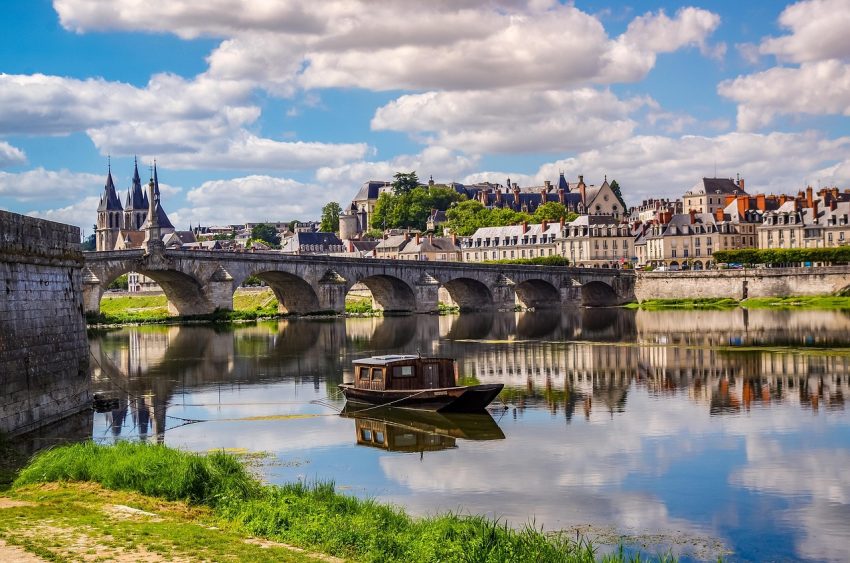
Visiting Blois
3. Château de Chambord
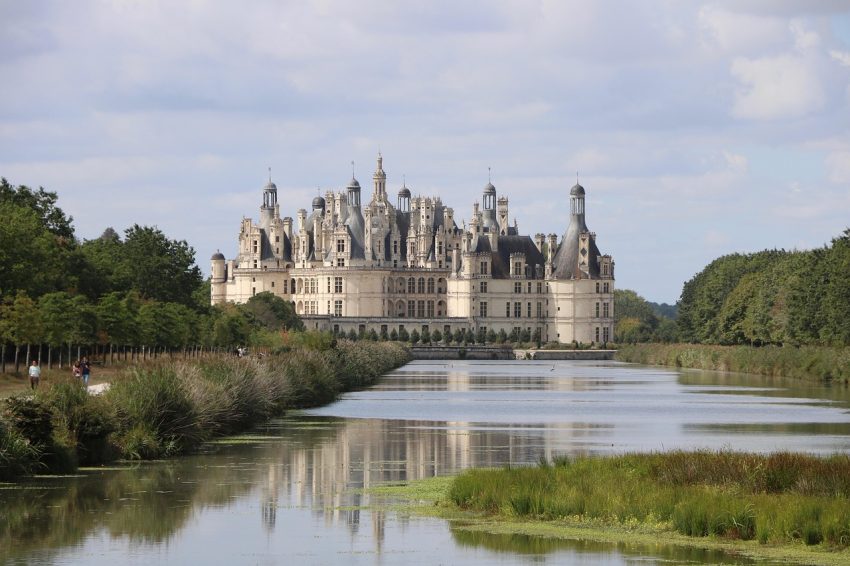
Location: Château de Chambord, Chambord, France | Hours: January 5 to March 28: 9:00 AM – 5:00 PM March 29 to October 26: 9:00 AM – 6:00 PM October 27 to December 20: 9:00 AM – 5:00 PM December 21 to January 4: 9:00 AM – 6:00 PM | Price: Full Price: €19 | Website | Tickets | Distance: 46.4km
Visiting Château de Chambord
4. Le Mans
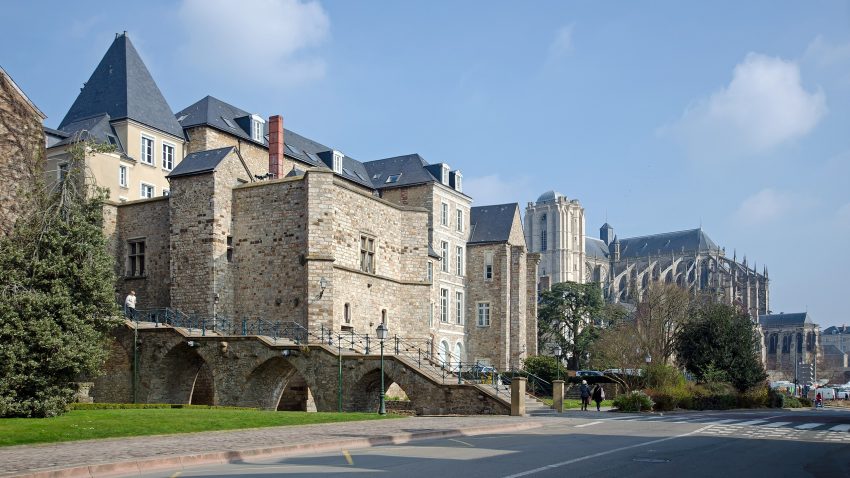
Visiting Le Mans
5. Orléans

Visiting Orléans
6. Poitiers
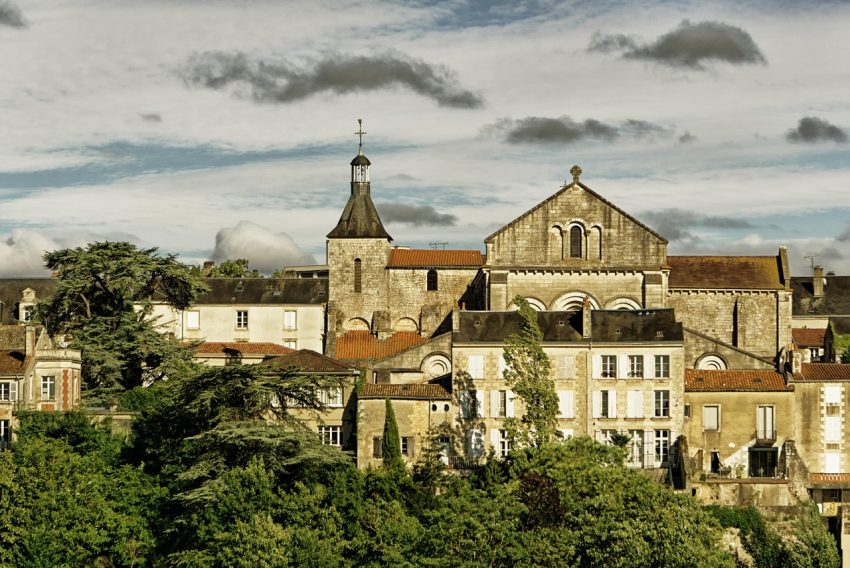
Visiting Poitiers
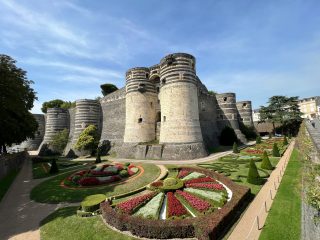
7. Angers
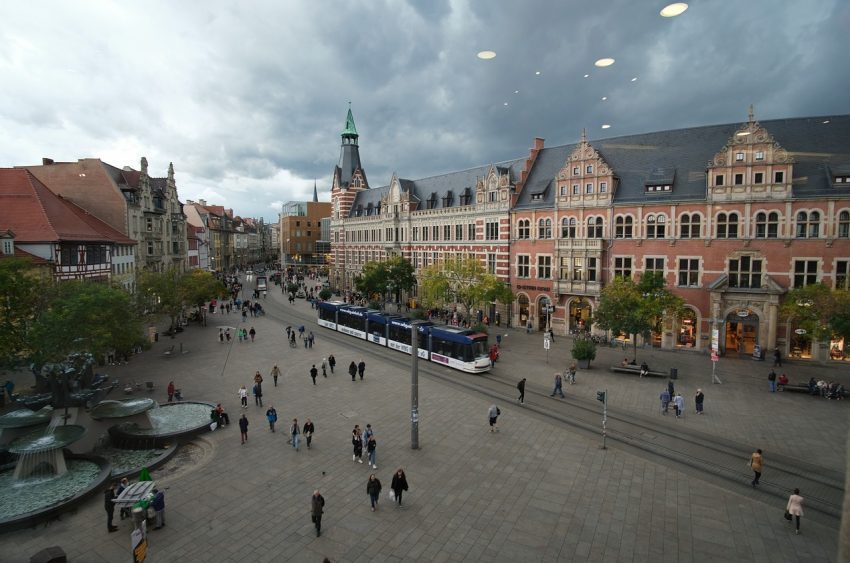
Visiting Angers
Where to Stay in Amboise
In the winding streets around the Château Royal, a handful of elegant townhouses have been converted into intimate boltholes. Hôtel Le Choiseul sits on a quiet square just steps from the drawbridge, its rooms blending exposed stone walls with velvet armchairs and champagne minibars. A block away, Le Manoir Les Minimes occupies a former 17th-century convent; its cloistered courtyard and vaulted lounges lend a sense of serene history, while polished wood floors and four-poster beds ensure modern comfort.
Along the Loire banks, riverside lodgings capture the ebb and flow of the water and the golden light that shimmers across the town. Hôtel Anne d’Anjou boasts balconies overlooking passing bateaux and a terrace café for lazy breakfasts by the river. Just around the bend, Le Clos d’Amboise is set in a troglodyte cave house planted into the hillside; its garden is a hidden oasis where you can sip evening wine beneath climbing roses.
A short drive or cycle ride from the centre brings you to country estates and spa retreats set amid the vineyards and forests of the Loire Valley. Château de Pray opens its 16th-century salons and manicured parterres to guests, with rooms overlooking parkland and a Michelin-starred restaurant on site. Nearby, Les Hautes Sources – Relais & Châteaux perches above the Cisse River, offering spa therapies, an indoor pool and suites designed like elegant country cottages, making it an ideal base for exploring the châteaux trail.
Using the our Hotel and Accomodation map, you can compare hotels and short-term rental accommodations in Amboise. Simply insert your travel dates and group size, and you’ll see the best deals for your stay.
Amboise Accommodation Map
Best Time to Visit Amboise
Visiting Amboise in Spring
Spring (March to May) is one of the best times to visit Amboise, as the weather is mild and the town’s gardens and parks come to life with blooming flowers. The pleasant temperatures make it ideal for exploring the town’s outdoor attractions, such as Château d’Amboise and the scenic riverside. Spring also marks the start of the local festival season, adding a vibrant atmosphere to the town.
Visiting Amboise in Summer
Summer (June to August) is the peak tourist season in Amboise, with warm weather perfect for enjoying outdoor activities like cycling or boat tours on the Loire River. The town comes alive with tourists, local markets, and outdoor events, making it a lively time to experience Amboise’s charm. However, it is also the busiest time, so expect larger crowds and higher accommodation prices.
Visiting Amboise in Autumn
Autumn (September to November) is a great time to visit Amboise, as the weather remains pleasant, and the autumn foliage creates beautiful colors around the town and its surrounding vineyards. The crowds begin to thin out, allowing for a more relaxed and peaceful visit to the château and other attractions. It’s also harvest season in the Loire Valley, so visitors can enjoy wine tastings and local culinary delights.
Visiting Amboise in Winter
Winter (December to February) in Amboise is quieter and offers a peaceful atmosphere, ideal for those looking for a more tranquil escape. The cooler temperatures make it perfect for exploring the town’s indoor attractions, such as museums and the historic Château d’Amboise. The holiday season also brings festive markets and decorations, creating a cozy and charming ambiance in the town.
Annual Weather Overview
- January 8°C 50°F
- February 10°C 54°F
- March 13°C 59°F
- April 18°C 67°F
- May 20°C 71°F
- June 24°C 79°F
- July 27°C 85°F
- August 27°C 85°F
- September 26°C 82°F
- October 19°C 70°F
- November 12°C 58°F
- December 9°C 52°F
How to get to Amboise
Getting to Amboise
Amboise is a charming town in the Loire Valley, easily accessible by various modes of transportation. Whether you're arriving by air, train, or car, the town is well-connected and convenient for visitors.
By Air
The nearest major airport to Amboise is Tours Val de Loire Airport (TUF), which is about 25 kilometers away. The airport offers domestic flights and some international routes. From there, visitors can take a taxi or rent a car to reach Amboise in approximately 30 minutes.
By Train
Amboise is well-connected by train, with the Gare d'Amboise station offering regular services from Tours and other major cities in the Loire Valley. The train ride offers scenic views of the countryside, and the station is located just a short distance from the town center. The train is a convenient option for visitors traveling from Paris or other nearby cities. You can use SNCF Connect to check schedules, compare routes, and purchase tickets for National (SNCF ) and regional trains (TER). For a more streamlined experience, we recommend using Omio, which allows you to easily compare prices, schedules, and book tickets for both National and Regional travel across all of Europe, all in one place.
By Car
Driving to Amboise is easy, as it is accessible via the A10 and A85 highways. The town is approximately a 2-hour drive from Paris, making it a perfect day trip or weekend getaway. Renting a car allows you to explore the surrounding vineyards and picturesque towns in the Loire Valley at your own pace. If you are looking to rent a car in France I recommend having a look at Discover Cars, first, as they compare prices and review multiple car rental agencies for you.
Getting Around Amboise
Amboise is a compact town, and many of its attractions can be easily explored on foot. The town’s charming streets, Château d’Amboise, and other sites are within walking distance from each other. For those wanting to explore the surrounding countryside, renting a bike or using a taxi can be a convenient option. Public transportation in Amboise is limited, but the town’s small size makes it easy to navigate.