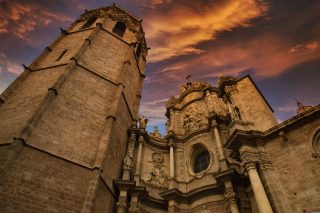
Alicante, Spain: The Ultimate Travel Guide 2026
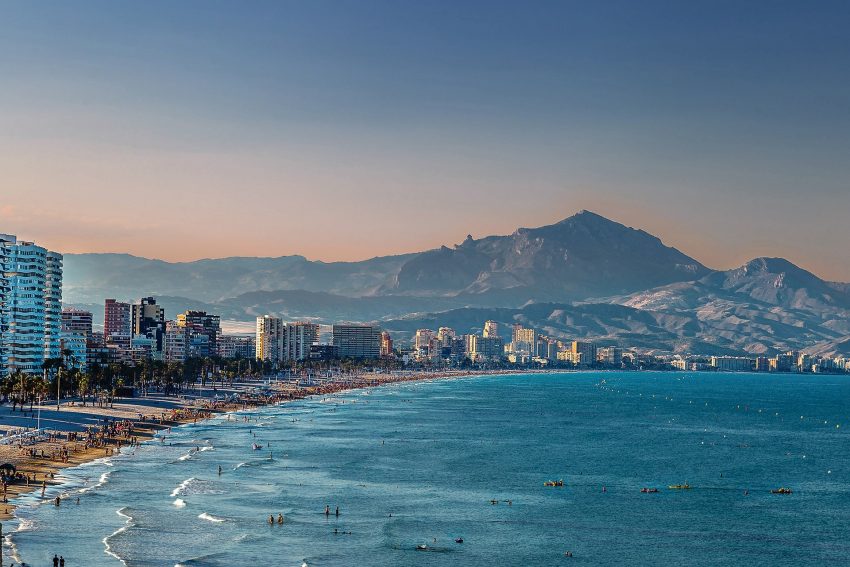
Alicante is a vibrant Mediterranean city that offers a perfect mix of coastal beauty, urban charm, and cultural experiences. Its seafront promenade, Explanada de España, is a must-visit, featuring palm-lined walkways, lively cafés, and stunning ocean views. The city's main beach, Playa del Postiguet, provides golden sands and clear waters, ideal for sunbathing or enjoying a sunset stroll. Whether relaxing along the coastline or exploring the picturesque streets of the Old Town, Alicante presents a dynamic yet laid-back atmosphere that makes it an appealing destination for all travelers.
For those seeking panoramic views and adventure, a visit to Castillo de Santa Bárbara is essential. This impressive medieval fortress, perched atop Mount Benacantil, offers breathtaking vistas of Alicante and the Mediterranean Sea. Visitors can reach the castle by foot, elevator, or car, each route providing its own unique perspective of the city's skyline. Once inside, travelers can explore ancient fortifications, discover historical exhibitions, or simply admire the scenic surroundings from its terraces. Whether embracing Alicante's rich heritage or natural beauty, this castle remains one of the city's most iconic landmarks.
Alicante's gastronomic scene adds another layer to its charm, featuring traditional flavors influenced by Mediterranean and Valencian cuisine. The city's local markets, such as Mercado Central, provide an excellent opportunity to sample fresh produce, artisanal cheeses, and seafood delights. Visitors should also indulge in arroces (rice dishes), particularly the famous arroz a banda, which showcases Alicante's coastal culinary traditions. Paired with locally produced wines or refreshing horchata, the city's food offerings provide an authentic taste of Mediterranean culture. Whether drawn to beachfront relaxation, historical exploration, or flavorful cuisine, Alicante delivers a truly unforgettable experience.
Table of Contents
- History of Alicante
- 13 Best places to See in Alicante
- Mercat Central d'Alacant
- Museo de Arte Contemporáneo de Alicante
- Archaeological Museum of Alicante
- Rambla de Méndez Núñez
- Castell de Santa Bàrbera
- Alicante City Hall
- Cocatedral de Sant Nicolau
- Basilica of St Mary of Alicante
- Playa del Postiguet
- Casa Carbonell
- Passeig Esplanada d'Espanya
- Albufereta Beach
- Lucentum Archaeological Site
- 7 Best Day Trips from Alicante
- Where to Stay in Alicante
- Best Time to Visit Alicante
- How to get to Alicante
History of Alicante
Early History of Alicante
Alicante’s history dates back to ancient times when the area was inhabited by Iberian tribes. The town, originally known as Akra Leuka, meaning “White Summit,” was founded by the Greeks in the 4th century BC. It later became an important trading post for the Carthaginians.
Roman Era in Alicante
During the Roman period, Alicante was known as Lucentum. It flourished as a Roman town, benefiting from its strategic coastal location and becoming a significant center for commerce and trade. Remains of this era, including the Roman city of Lucentum, can still be seen today in the Tossal de Manises archaeological site.
Alicante Under Moorish Rule
In the 8th century, the Moors conquered Alicante, renaming it Al-Laqant. The town prospered under Moorish rule, with advancements in agriculture, architecture, and trade. The construction of the Castle of Santa Bárbara during this period provided a strong defensive fortification, which remains a prominent landmark.
The Christian Reconquest of Alicante
In 1246, Alicante was captured by King Alfonso X of Castile during the Christian Reconquest. The town was officially incorporated into the Kingdom of Castile in 1308. This period saw the construction of significant Christian structures, including churches and the expansion of the Castle of Santa Bárbara.
Alicante in the Modern Era
The 15th and 16th centuries marked a period of growth and development for Alicante. The town became an important port, facilitating trade with the rest of Europe and the Mediterranean. In 1490, King Ferdinand II granted Alicante city status, further boosting its economic and political significance.
The War of Spanish Succession and Alicante
During the War of Spanish Succession in the early 18th century, Alicante faced significant turmoil. The city was besieged and heavily damaged, particularly during the siege of 1709. However, it quickly recovered and continued to grow in the subsequent years.
Alicante in the 19th and 20th Centuries
The 19th century brought industrialization to Alicante, with the development of industries such as textiles, agriculture, and tobacco. The construction of the railway in 1858 connected Alicante to the rest of Spain, enhancing its role as a major port and trade center.
In the 20th century, Alicante continued to expand, with significant urban development and modernization. The city’s port became one of the busiest in Spain, and tourism emerged as a vital industry, driven by Alicante’s beautiful beaches and favorable climate.
Contemporary Alicante
Today, Alicante is a vibrant and modern city that seamlessly blends its rich historical heritage with contemporary amenities. The city is a major tourist destination, known for its cultural festivals, historic sites, and stunning coastline. The annual Hogueras de San Juan festival, with its spectacular bonfires and fireworks, is one of the most significant cultural events in Alicante.
Alicante’s history is a testament to its resilience and adaptability, making it a fascinating destination for those interested in exploring Spain’s diverse historical and cultural landscape.

Moira & Andy
Hey! We're Moira & Andy. From hiking the Camino to trips around Europe in Bert our campervan — we've been traveling together since retirement in 2020!
Visiting Alicante for the first time and wondering what are the top places to see in the city? In this complete guide, I share the best things to do in Alicante on the first visit. To help you plan your trip, I have also included an interactive map and practical tips for visiting!
This website uses affiliate links which earn a small commission at no additional cost to you.
13 Best places to See in Alicante
This complete guide to Alicante not only tells you about the very best sights and tourist attractions for first-time visitors to the city but also provide insights into a few of our personal favorite things to do.
This is a practical guide to visiting the best places to see in Alicante and is filled with tips and info that should answer all your questions!
Mercat Central d'Alacant
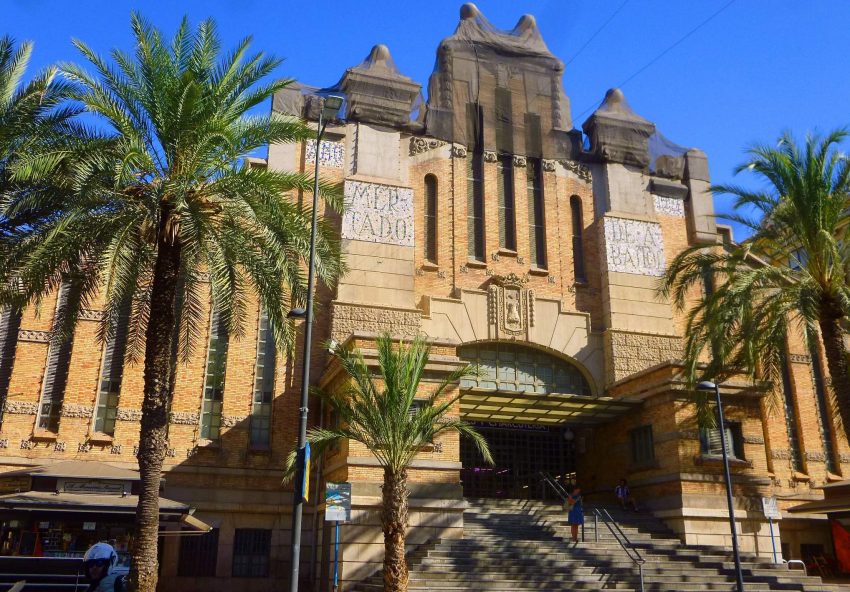
Location: Av. Alfonso El Sabio, nº 10, 03004 Alicante (Alacant), Alicante, Spain | Hours: Monday – Friday: 07:00–14:30. Saturday: 07:00–15:00. Closed on Sunday. | Price: Free. | Website | Distance: 140.3km

Museo de Arte Contemporáneo de Alicante
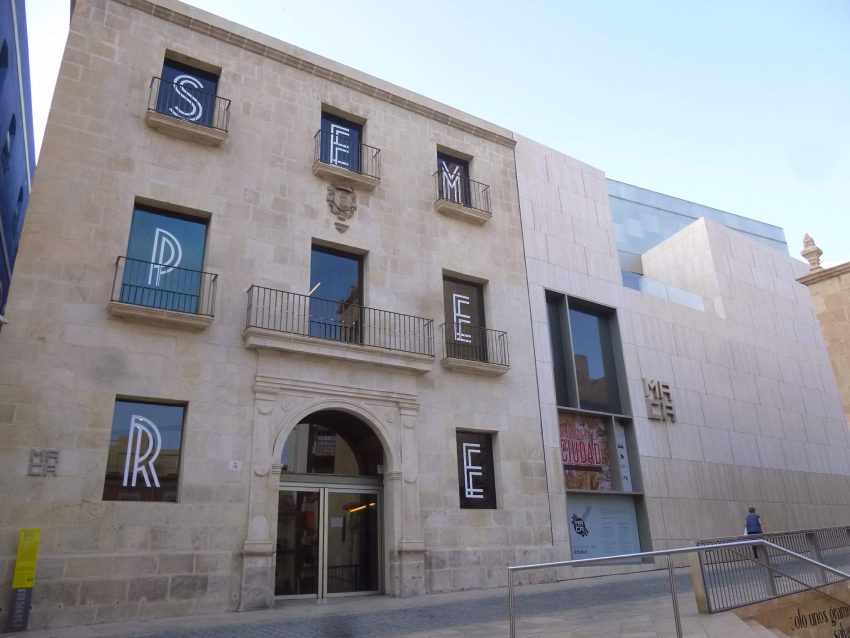
Location: Museo de Arte Contemporáneo de Alicante MACA, Plaza Santa María, Alicante, Spain | Hours: (Summer) 1 July – 30 September. Tuesday – Friday: 10:00–20:00. Saturday: 11:00–20:00. Sunday & Public holidays: 10:00–14:00. Monday: Closed. (Winter) 1 October – 30 June. Tuesday – Friday: 10:00–20:00. Saturday: 11:00–20:00. Sunday & Public holidays: 10:00–14:00. Monday: Closed. | Price: Free | Website | Distance: 140.3km
Archaeological Museum of Alicante
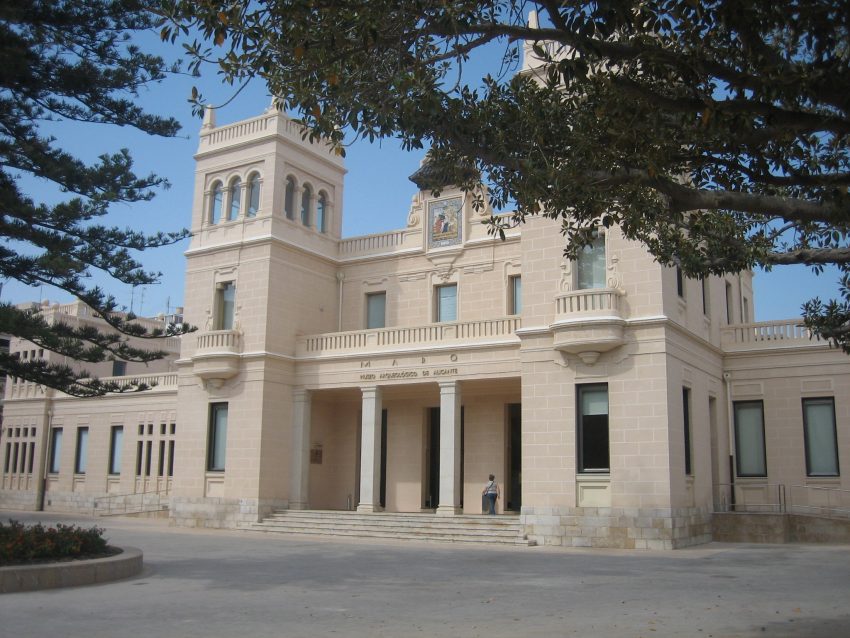
Location: Pl. Dr. Gómez Ulla, S/N, 03013 Alacant, Alicante, Spain | Hours: (Summer) June 17 – September 14; Tuesday – Saturday: 10:00–22:00. Sunday: 10:00–14:00. Closed on Monday. (Winter) September 16 – June 16; Tuesday – Saturday: 10:00–19:00. Sunday: 10:00–14:00. Closed on Monday. | Price: Adults: €6; Sundays & public holidays: €3. | Website | Distance: 140.3km
Rambla de Méndez Núñez
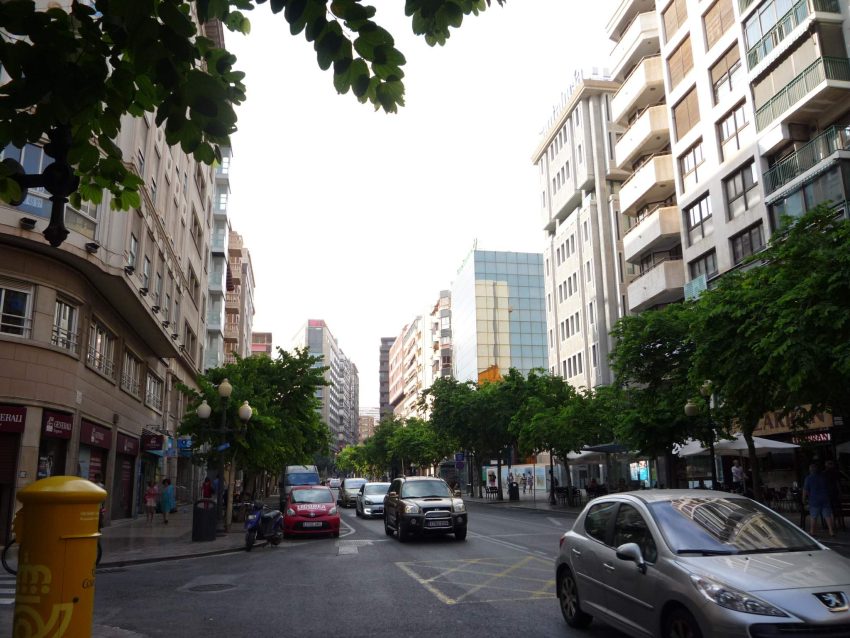
Location: Rbla. de Méndez Núñez, Alicante (Alacant), Alicante, Spain | Hours: 24 Hours. | Price: Free. | Distance: 140.3km
Castell de Santa Bàrbera
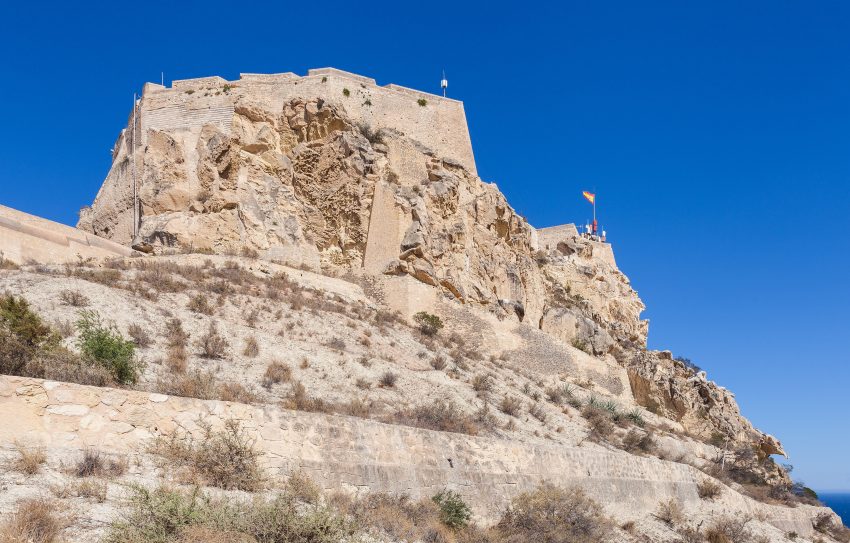
Location: Castillo de Santa Bárbara, 03002 Alicante (Alacant), Alicante, Spain | Hours: (November 15 – February 27) Monday – Sunday: 10:00–18:00. (February 28 – June 16) Monday – Sunday: 10:00–20:00. (June 17 – September 4) Monday – Sunday: 10:00–23:00. (September 5 – November 14) Monday – Sunday: 10:00–20:00. | Price: Free entry; lift: €2.70. | Website | Distance: 140.3km
Alicante City Hall
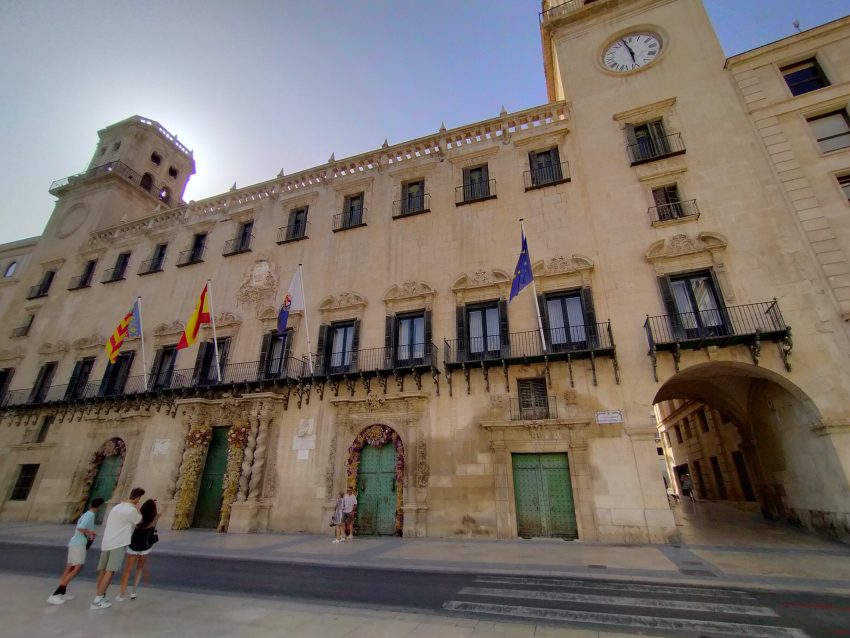
Location: Plaça de l'Ajuntament, 1, 03002 Alacant, Alicante, Spain | Hours: (October – June) Monday – Friday: 09:00–14:00. Closed on Saturday, Sunday. (July – September) Monday – Friday: 09:00–13:00. Closed on Saturday, Sunday. | Price: Free. | Website | Distance: 140.3km
Cocatedral de Sant Nicolau
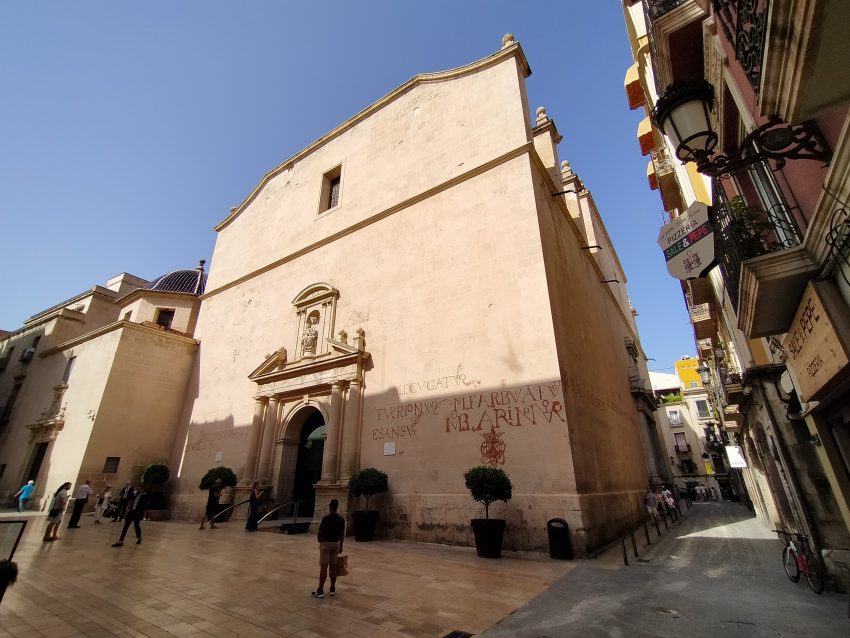
Location: Plaza de, Pl. del Abad Penalva, 2, 03002 Alicante (Alacant), Alicante, Spain | Hours: Monday – Friday: 07:30–13:00 & 17:30–20:00. Saturday: 08:30–13:00 & 17:30–20:30. Sunday: 08:30–13:30 & 17:30–20:30. | Price: Church entry: Free. Cultural/audioguided visit (cloister + upper areas + bell tower): €8. | Website | Distance: 140.3km
Basilica of St Mary of Alicante
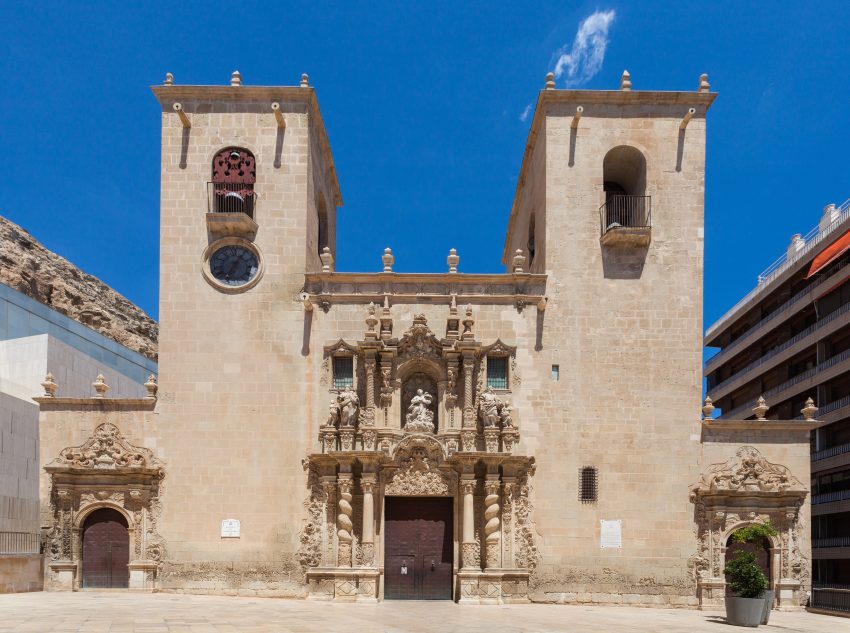
Location: Pl. Sta. María, 1, 03001 Alicante (Alacant), Alicante, Spain | Hours: Monday – Saturday: 10:00–19:00. Sunday: 13:00–19:00. | Price: Adults (18–64): €6; Seniors (65+): €5; Youth/Students: €4; Under 12: free (with an adult). | Website | Distance: 140.3km
Playa del Postiguet
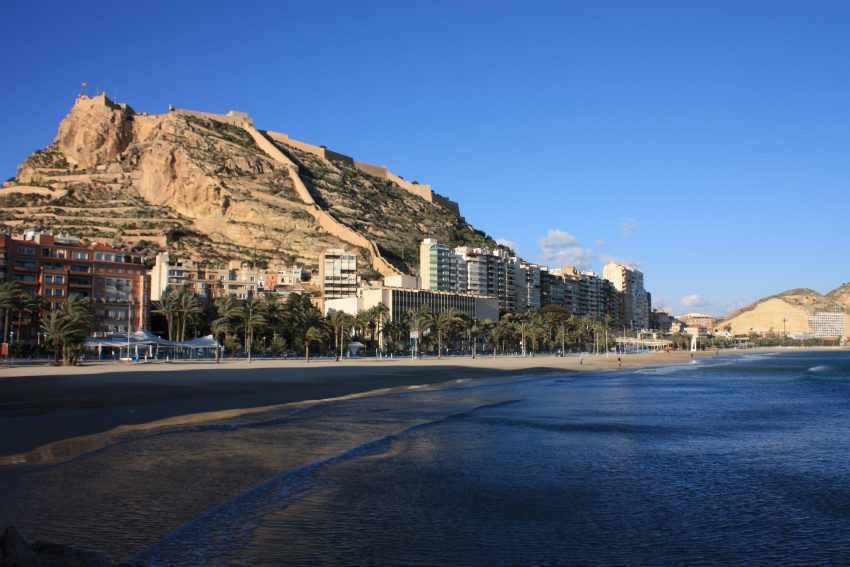
Location: Playa del Postiguet, Spain | Hours: 24 Hours | Website | Distance: 140.3km
Casa Carbonell
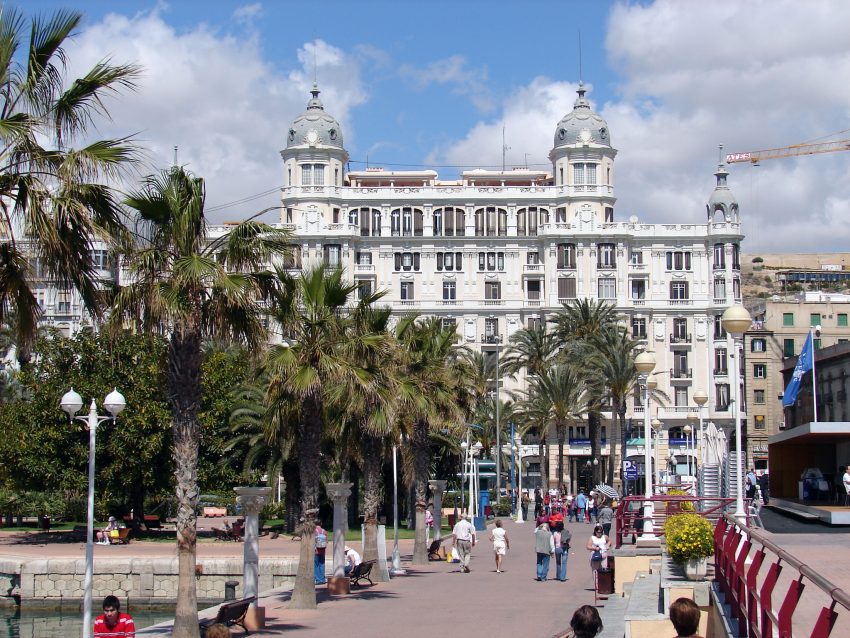
Location: Passeig Esplanada d'Espanya, 1, 03002 Alacant, Alicante, Spain | Hours: 24 Hours. | Price: Free. | Distance: 140.3km
Passeig Esplanada d'Espanya
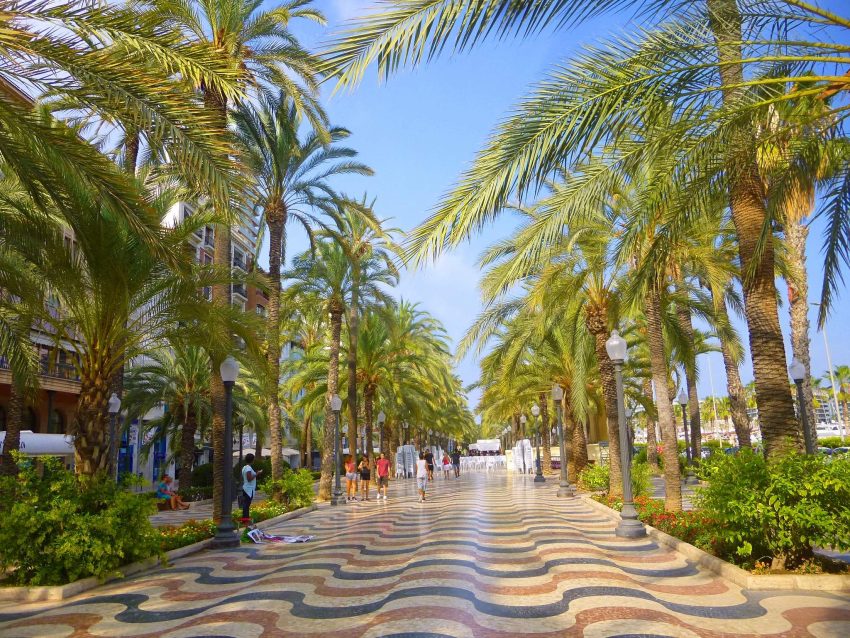
Location: Passeig Esplanada d'Espanya, Alacant, Alicante, Spain | Hours: 24 Hours. | Price: Free. | Distance: 140.3km
Albufereta Beach
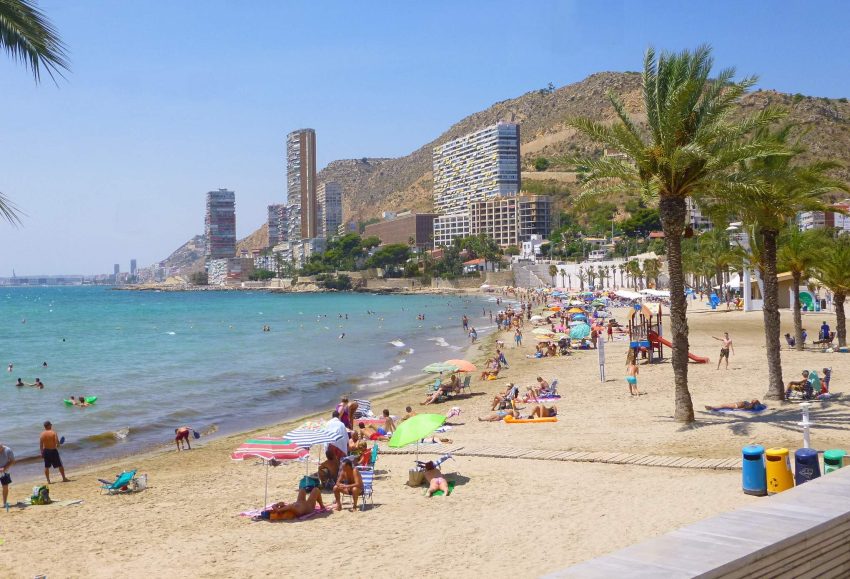
| Hours: 24 hours | Price: Free | Website | Distance: 140.3km
Lucentum Archaeological Site
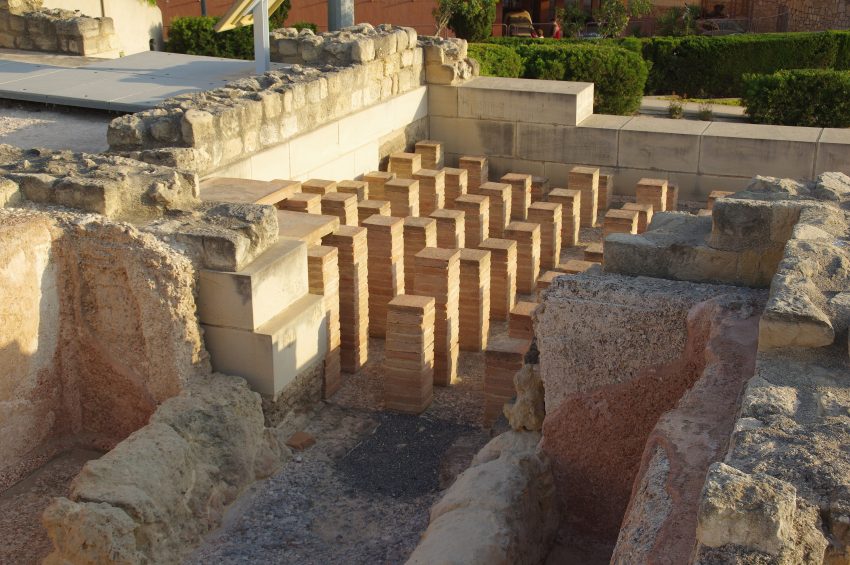
Location: Lucentum Tossal de Manises Carrer Zeus 03016 Alicante Spain | Hours: (Summer) 15 June – 15 September: Tuesday – Saturday: 09:00–13:00 & 18:00–21:00. Sunday & Public Holidays: 09:00–13:00. Monday: Closed. (Winter) 16 September – 14 June: Tuesday – Saturday: 10:00–14:00 & 15:30–17:30. Sunday & Public Holidays: 10:00–14:00. Monday: Closed. | Price: Entrance fee: €3.00 (Sundays & public holidays €1.50). | Website | Distance: 140.3km
Best Day Trips from Alicante
A day trip from Alicante offers the perfect opportunity to escape the urban rhythm and discover the surrounding region's charm. Whether you're drawn to scenic countryside, historic villages, or cultural landmarks, the area around Alicante provides a variety of easy-to-reach destinations ideal for a one-day itinerary. If you are looking to rent a car in Spain I recommend having a look at Discover Cars, first, as they compare prices and review multiple car rental agencies for you.
Isla de Tabarca
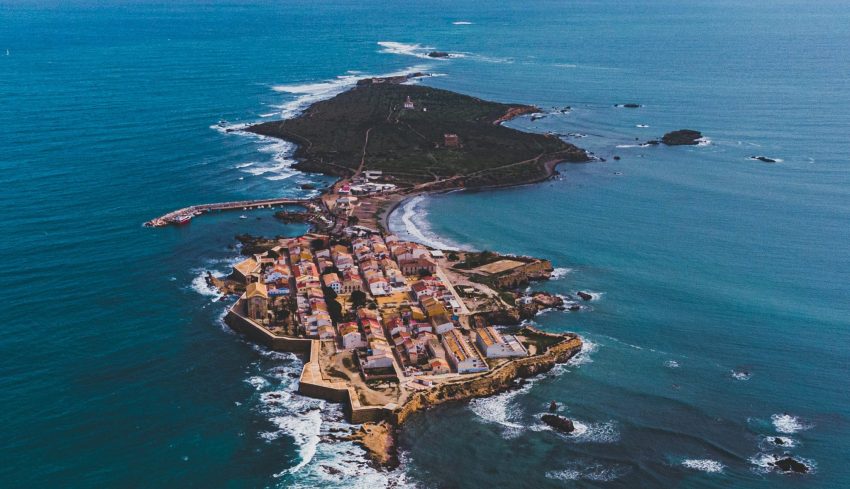
Location: Isla de Tabarca, Spain | Hours: 24 Hours | Price: Free to visit (you only pay for the boat crossing). | Website | Distance: 20.8km
Visiting Isla de Tabarca
Murcia

Visiting Murcia
Denia
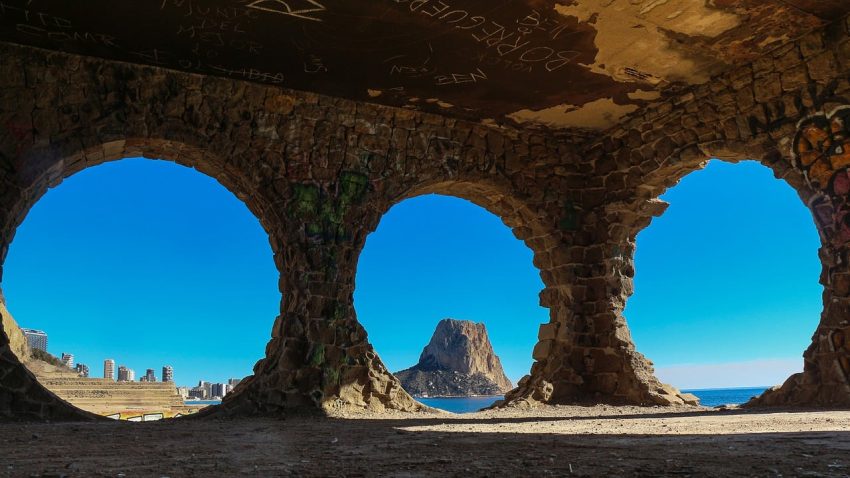
Visiting Denia
Cartagena
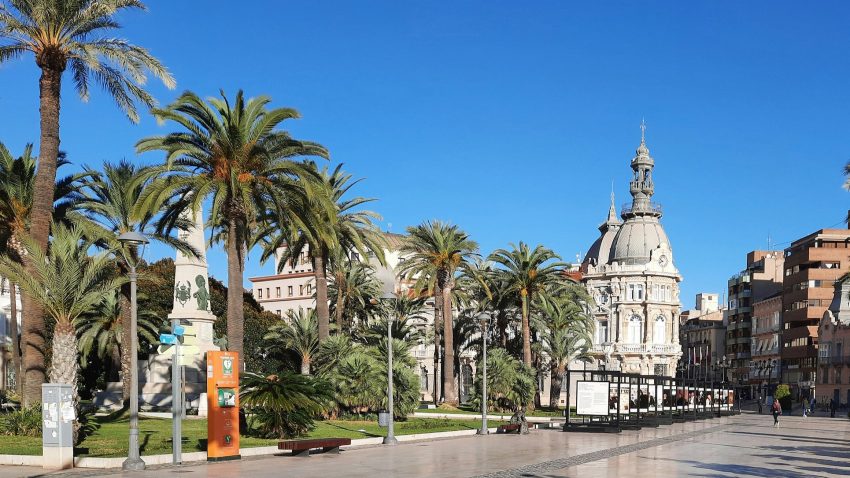
Visiting Cartagena
Valencia
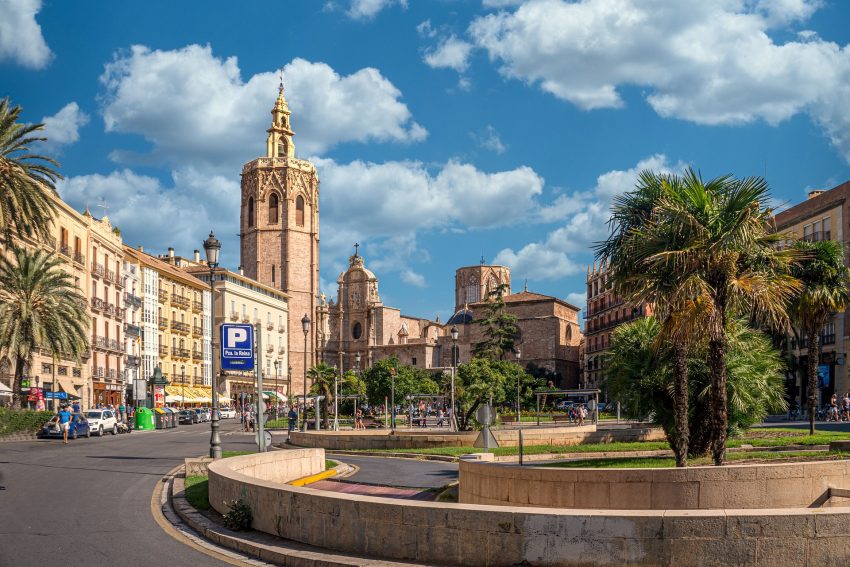
Visiting Valencia
Lorca
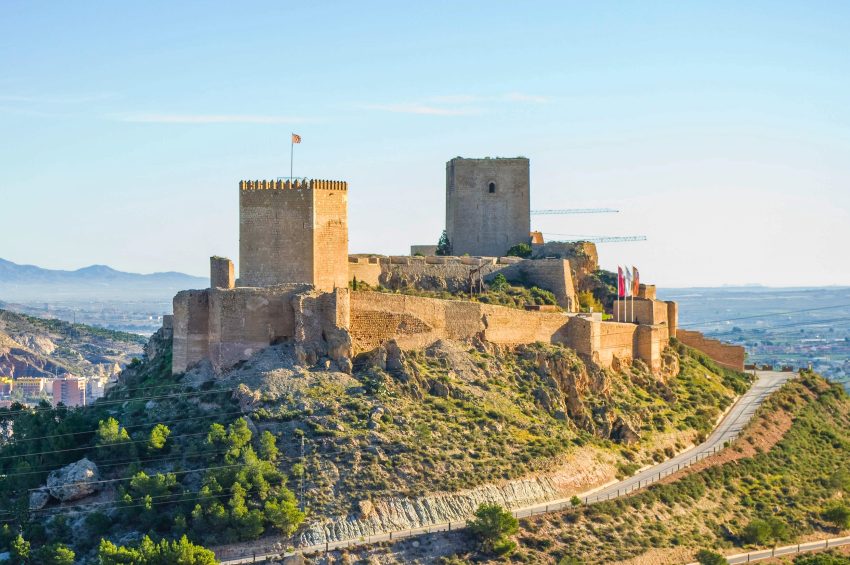
Visiting Lorca
Albacete
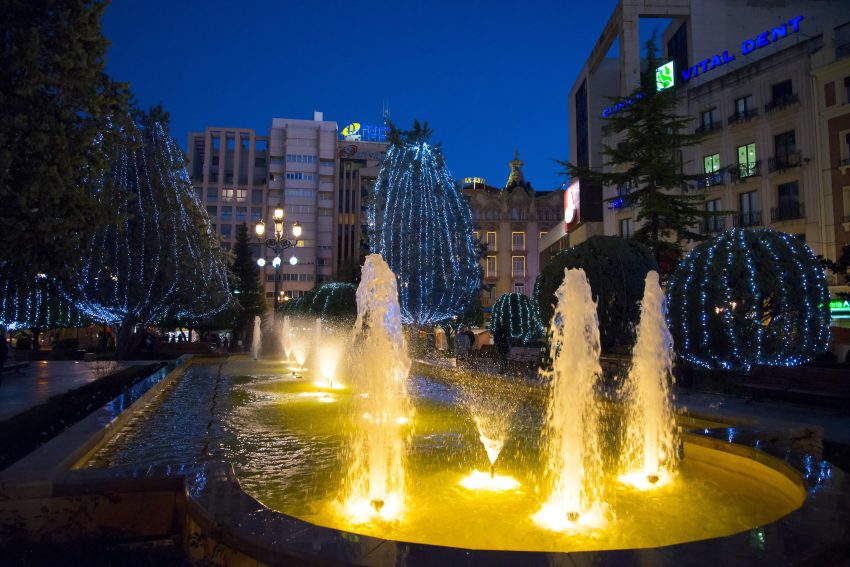
Visiting Albacete
Where to Stay in Alicante
Alicante offers a wide range of accommodations suited to visitors seeking beachfront relaxation, historic charm, or modern convenience. El Barrio (Old Town) is the perfect place for travelers who want to immerse themselves in the city’s vibrant atmosphere, with easy access to Plaza del Ayuntamiento, charming streets, and cultural landmarks such as Santa Bárbara Castle. The area is packed with traditional tapas bars, lively cafés, and boutique shops, making it ideal for those who want to experience Alicante’s authenticity. A great hotel in this district is Hospes Amérigo, offering a sophisticated stay with elegant rooms and a rooftop terrace overlooking the city.
For visitors drawn to the seaside, Playa del Postiguet and the Marina District provide fantastic waterfront accommodations. These areas offer easy beach access, stunning Mediterranean views, and lively promenades lined with seafood restaurants and cocktail bars. Guests staying here can enjoy scenic morning walks, boat excursions, and refreshing swims in Alicante’s clear waters. A recommended hotel in this area is Melia Alicante, featuring spacious rooms and an unbeatable seaside location next to the marina.
If you prefer a quieter, upscale retreat, La Albufereta and San Juan Beach are excellent choices. These districts offer more serene surroundings, luxury resorts, and expansive beaches, making them ideal for relaxation while still being a short drive from the city center. The area is well-suited for travelers looking for spa treatments, golf courses, and fine dining options with Mediterranean cuisine. A recommended stay in this district is Hotel Alicante Golf, featuring premium accommodations with access to golf facilities and a tranquil atmosphere. Whether you’re seeking historic charm, beachfront beauty, or modern luxury, Alicante has a range of stays to match every traveler’s preference.
Using the our Hotel and Accomodation map, you can compare hotels and short-term rental accommodations in Alicante. Simply insert your travel dates and group size, and you’ll see the best deals for your stay.
Alicante Accommodation Map
Best Time to Visit Alicante
Visiting Alicante in Spring
Spring, from March to May, is an excellent time to visit Alicante. The weather is mild and pleasant, with temperatures ranging from 15°C to 25°C (59°F to 77°F). This season is perfect for exploring the city’s outdoor attractions, such as the Castle of Santa Bárbara and the Explanada de España, and enjoying the blooming flowers and vibrant greenery.
Visiting Alicante in Summer
Summer, from June to August, is the peak tourist season in Alicante. The weather is hot and sunny, with temperatures often exceeding 30°C (86°F). This is the best time to enjoy Alicante’s beautiful beaches, such as Postiguet Beach and San Juan Beach, and take part in water sports and outdoor activities. The city’s lively nightlife and festivals, including the famous Hogueras de San Juan in June, make summer a vibrant and exciting time to visit.
Visiting Alicante in Autumn
Autumn, from September to November, is another great time to visit Alicante. The temperatures are cooler, ranging from 20°C to 25°C (68°F to 77°F), making it comfortable for sightseeing and outdoor activities. The crowds from the summer have dispersed, allowing for a more relaxed exploration of Alicante’s historical sites and cultural attractions. The autumn colors add a picturesque backdrop to the city’s landscapes.
Visiting Alicante in Winter
Winter, from December to February, is mild in Alicante, with temperatures averaging between 10°C and 15°C (50°F to 59°F). This is the off-peak tourist season, offering a quieter and more relaxed atmosphere. Winter is a good time to explore indoor attractions such as museums and historic buildings without the crowds. The festive holiday decorations and events, including Christmas markets and celebrations, add a charming touch to the city during this season.
Annual Weather Overview
- January 15°C 62°F
- February 16°C 64°F
- March 19°C 70°F
- April 20°C 72°F
- May 23°C 77°F
- June 28°C 86°F
- July 30°C 90°F
- August 31°C 91°F
- September 27°C 85°F
- October 23°C 78°F
- November 19°C 71°F
- December 16°C 64°F
How to get to Alicante
By Air to Alicante
Alicante is served by Alicante-Elche Airport (ALC), located approximately 9 kilometers southwest of the city. The airport offers numerous domestic and international flights, making it a convenient entry point. From the airport, you can reach the city center by taxi, car rental, or the C6 bus line. For the best deals and a seamless booking experience, check out these flights to Alicante on Booking.com.
By Train to Alicante
Alicante has a well-connected train station, Alicante-Terminal, with regular services from major Spanish cities. High-speed AVE trains from Madrid take about 2.5 hours, while trains from Barcelona take around 5 hours. The train station is centrally located, providing easy access to the city's main attractions. Train schedules and bookings can be found on Omio.
By Bus to Alicante
Several bus companies operate routes to Alicante from various cities across Spain. The main bus station, Estación de Autobuses de Alicante, is located near the city center. Buses from Madrid, Valencia, and other cities offer a convenient and cost-effective way to travel.
By Car to Alicante
Driving to Alicante is a convenient option, especially if you plan to explore the surrounding region. From Madrid, the drive takes approximately 4-5 hours via the A-31 highway. From Valencia, it takes about 2 hours via the AP-7 and A-7 highways. The city is well-connected by road, making it easy to navigate by car. If you are looking to rent a car in Spain I recommend having a look at Discover Cars, first, as they compare prices and review multiple car rental agencies for you.
By Ferry to Alicante
Alicante has a port that receives ferries from various Mediterranean destinations. While it is not the most common way to reach the city, it is an option for travelers coming from the Balearic Islands. The port is close to the city center, providing easy access to accommodations and attractions.
By Local Transportation in Alicante
Once in Alicante, you can explore the city by walking or using the local bus and tram network operated by TRAM Metropolitano de Alicante. Taxis are also readily available for getting around the city. Walking is particularly enjoyable in Alicante due to its compact size and the close proximity of major attractions.