This website uses affiliate links which earn a small commission at no additional cost to you.
Perched dramatically on a mountaintop in Spain's Andalusia region, Ronda is a city that takes your breath away — both for its scenery and its soul. Split in two by the deep El Tajo gorge, connected by the iconic Puente Nuevo Bridge, Ronda feels like a place suspended in time. Its whitewashed houses cling to cliff edges, its cobbled lanes whisper centuries of history, and its plazas hum with the relaxed rhythm of southern Spain.
Many visitors arrive on a day trip from Málaga, Seville, or Marbella, giving them only a few hours to explore this legendary city. But even in just six hours, you can experience the best of Ronda — from its heart-stopping views and Moorish palaces to its lively tapas bars and poetic atmosphere. Here's how to make the most of your short visit to one of Andalusia's most unforgettable towns.
How to Get to Ronda
By Air: The nearest major airports to Ronda are Málaga-Costa del Sol Airport (AGP) and Seville Airport (SVQ). Málaga, located about 105 kilometers (65 miles) east of Ronda, is the most convenient gateway, offering frequent flights from across Europe and beyond. From there, it's roughly a 1 hour 45-minute drive via the scenic A-367 mountain road, or about 2.5 hours by public transport. Seville Airport, slightly farther away (approximately 130 kilometers / 80 miles), is another excellent option for international arrivals, particularly from Western Europe. For travelers arriving from further afield, connections through Madrid-Barajas Airport (MAD) provide easy access to Andalusia's main hubs. For the best deals and a seamless booking experience, check out these flights to Ronda on Booking.com.
By Train: Ronda is connected to Spain's national rail network via Renfe, making it a comfortable and picturesque journey from major cities. Regular trains run from Málaga María Zambrano Station (taking around 2 hours 15 minutes) and from Seville Santa Justa Station (around 2.5 to 3 hours), both passing through stunning countryside. Though not a high-speed AVE route, the journey is incredibly scenic — expect rolling hills, olive groves, and glimpses of whitewashed villages along the way. Ronda's train station is located just a short walk from the town center, making it ideal for day-trippers and short-stay visitors alike. Train schedules and bookings can be found on Omio.
By Car or Bus: Driving to Ronda is one of the most rewarding ways to experience southern Spain. The A-397 from Marbella is particularly spectacular — a winding mountain road that climbs through pine forests and opens out to breathtaking views of the Sierra de las Nieves. From Málaga, the route via A-357 and A-367 takes under two hours, while from Seville or Granada, the journey averages 2.5 to 3 hours. Car rental is available at all major airports and train stations, offering flexibility for those planning to continue along the White Villages Route (Ruta de los Pueblos Blancos).
For non-drivers, ALSA and Avanza operate reliable bus services from Málaga, Seville, and Marbella, connecting Ronda with frequent daily departures. The bus station, conveniently located in the newer part of town, is an easy ten-minute walk to the Puente Nuevo and main attractions. Whether by car, train, or coach, the journey to Ronda is part of the experience — a preview of the drama and beauty that await in this clifftop city. If you are looking to rent a car in Spain I recommend having a look at Discover Cars, first, as they compare prices and review multiple car rental agencies for you.
A Short History of Ronda
Ancient Ronda: From Celts to Romans
Ronda’s story stretches back over 2,000 years, to a time when the Celtiberians first settled on this dramatic plateau above the Guadalevín River. They called it Arunda, meaning “surrounded by mountains,” a name that captures its geography perfectly. When the Romans arrived in the 2nd century BCE, they recognized its strategic importance and built fortifications that laid the foundations of the modern city. The Roman town of Acinipo, just outside present-day Ronda, thrived as a center for trade and viticulture, its amphitheater ruins still visible today. Under Roman rule, Ronda flourished — a place of soldiers, merchants, and farmers, with commanding views of the fertile valley below.
Moorish Ronda: The City of the Kings
In the 8th century, the Moors captured Ronda, transforming it into a jewel of Al-Andalus. Known as Runda, it became a fortress city and later the capital of a small Islamic kingdom, the Taifa of Ronda, ruled by poets and philosophers. The Moors built intricate walls, gates, and palaces, many of which still shape the city's old quarter today. The Arab Baths (Baños Árabes), just beyond the old bridge, remain some of the best-preserved in Spain — a quiet echo of the sophistication and culture that once flourished here. Ronda's position atop a deep gorge made it virtually impregnable, and its blend of architecture, gardens, and water systems reflected the ingenuity of Moorish engineering.
Christian Ronda and the Age of Reconquest
Ronda was captured by the Catholic Monarchs, Ferdinand and Isabella, in 1485, marking the end of Moorish rule and the beginning of a new era. The city’s mosques were converted into churches, including the magnificent Iglesia de Santa María la Mayor, while new convents and plazas reshaped its skyline. Ronda’s fortress position gave it renewed military importance, but it also became a crossroads of cultures — where Moorish craftsmanship met Spanish Renaissance art. Over the following centuries, the city grew into a center of trade, culture, and religion, its dramatic geography continuing to define both its defense and its identity.
Romantic Ronda and Modern Times
By the 18th and 19th centuries, Ronda had become a symbol of wild, romantic Spain — a land of bandits, bullfighters, and breathtaking landscapes. Writers like Washington Irving and Prosper Mérimée brought tales of Ronda's danger and beauty to Europe, while Hemingway and Orson Welles later immortalized it in literature and film. This era also saw the construction of the Puente Nuevo, completed in 1793, connecting the two halves of the city over the El Tajo gorge — a symbol of endurance that defines Ronda to this day.
Today, Ronda stands as a living tapestry of its past — a city that has absorbed the best of every culture that touched it. Its stone bridges, palaces, and plazas tell stories of power and poetry, conquest and coexistence. Walking its streets is to move through time: from Rome to Al-Andalus, from the Reconquista to modern Spain. And yet, despite its fame, Ronda retains something rare — a soul that feels untouched, still echoing with the voices of those who once called this mountaintop home.
Best Sites to See in Ronda
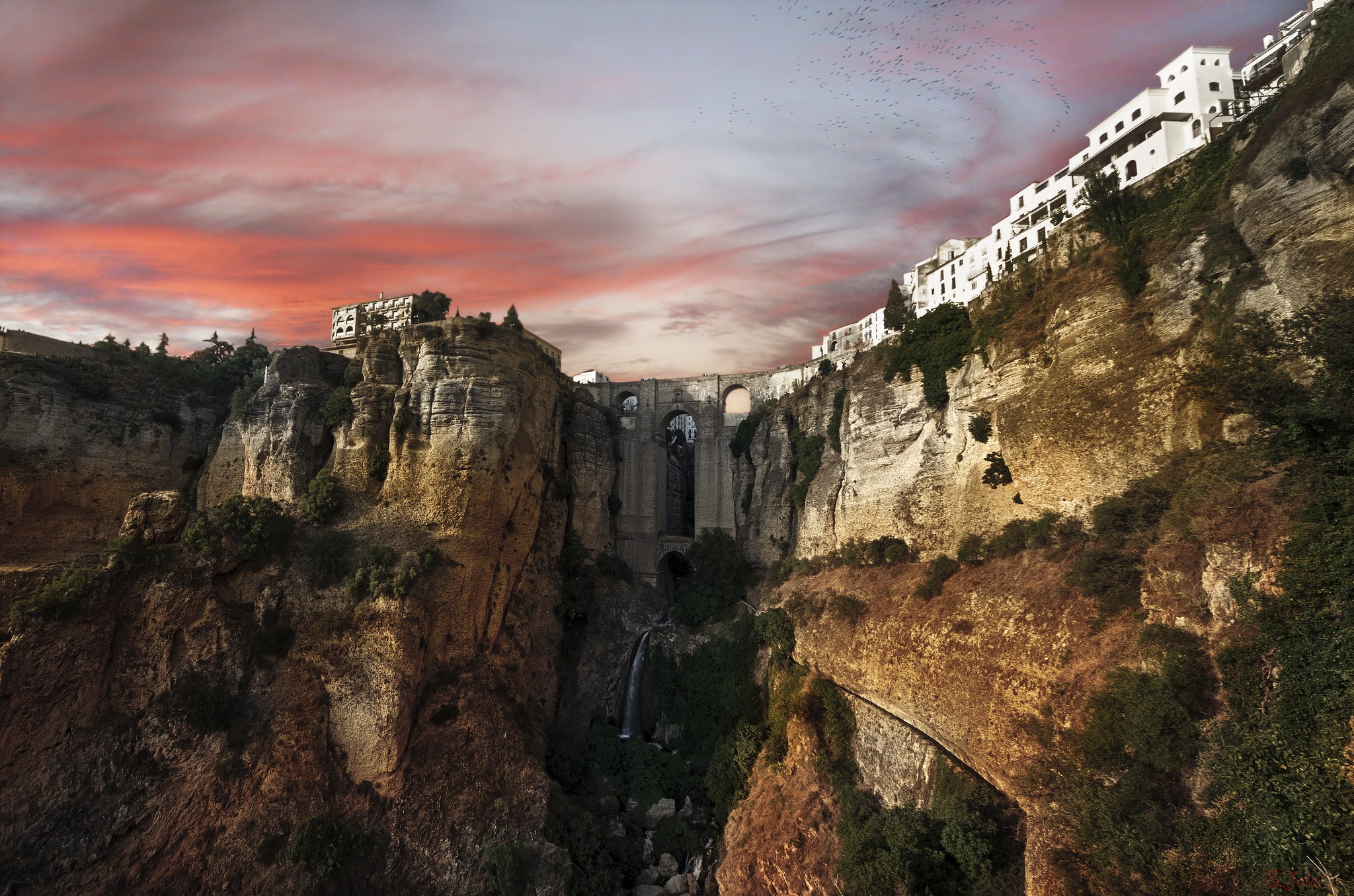
No image of Ronda is more iconic than the Puente Nuevo, the majestic bridge that spans the deep El Tajo Gorge. We had seen it countless times in photographs, yet nothing prepares you for the moment you see it in person — the sheer scale, the roar of the river below, and the whitewashed city perched on the cliffs above. It’s the beating heart of Ronda, both an engineering marvel and a symbol of the city’s enduring spirit.
Construction of the Puente Nuevo began in 1734, with an ambitious single-span design. Unfortunately, that first version collapsed in 1741, tragically killing around 50 people. Determined to overcome failure, builders began anew in 1759, this time with a more durable plan — a magnificent stone structure standing 98 meters (322 feet) from base to top. It took 34 years to complete, finally finishing in 1793, and has stood strong ever since, uniting the two halves of Ronda: the old Moorish quarter (La Ciudad) and the newer district (El Mercadillo).
Today, you can walk across its cobbled surface, peer over the edge at the dizzying drop of the Guadalevín River, and visit the interpretation museum hidden within the bridge itself — a small but fascinating exhibit located in a chamber directly beneath the road. This space was once used as a prison, and during the Spanish Civil War, both sides reportedly used it as a site for torture, with prisoners even being thrown into the gorge below. The museum recounts these dark stories alongside the bridge’s remarkable construction history, offering a haunting contrast to the stunning views outside.
Be sure to explore the viewpoints on either side — from Mirador de Aldehuela and Mirador de Cuenca, you’ll get some of the most spectacular perspectives in Andalusia. Standing here, it’s easy to see why travelers, poets, and artists have been awed by this bridge for centuries. The Puente Nuevo isn’t just Ronda’s centerpiece — it’s the very soul of the city, a triumph of endurance, beauty, and human determination.
Location: Puente Nuevo Calle Armiñán, s/n 29400 Ronda Málaga Spain | Hours: Monday to Friday: 10 am – 7 pm
Saturday, Sunday and Festive: 10 am – 3 pm | Price: €2 | Website
Read more about Puente NuevoWe recommend to rent a car in Spain through Discover Cars, they compare prices and review multiple car rental agencies. Book your rental car here.
Crossing the Puente Nuevo brings you into Ronda’s Old Town, known as La Ciudad — a maze of narrow, cobbled streets that feels suspended in time. Once the heart of the Moorish city, it’s a place of elegant mansions, hidden courtyards, and whitewashed walls draped in bougainvillea. The air here carries a sense of quiet dignity, and every turn reveals something beautiful — a wrought-iron balcony, a sun-drenched plaza, or the faint sound of church bells echoing through the gorge. Strolling along Calle Tenorio, one of Ronda’s prettiest streets, is like walking through a living history book.
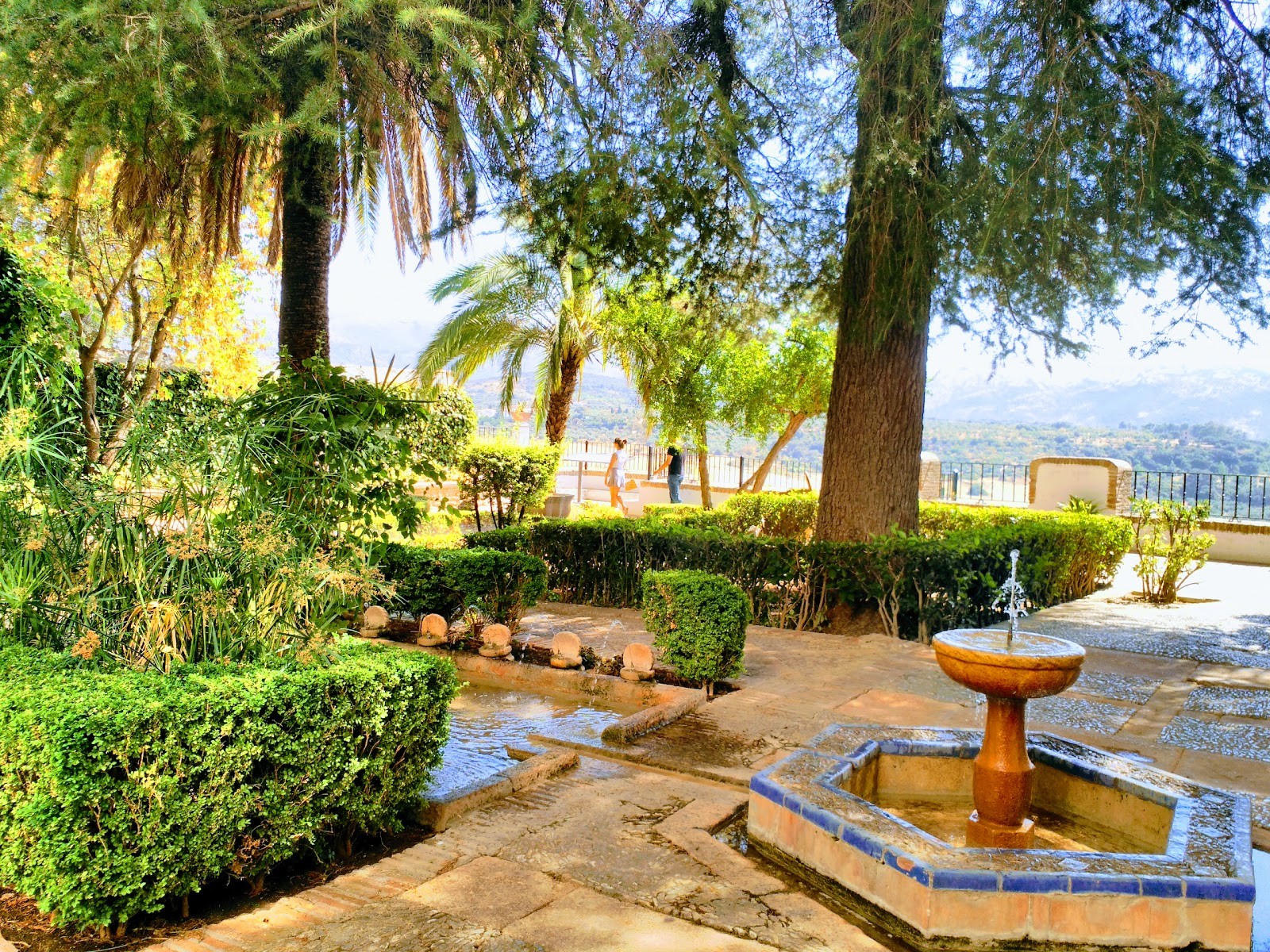
Not far from the Puente Nuevo stands one of Ronda’s most intriguing landmarks: La Casa del Rey Moro — “The House of the Moorish King.” Despite its romantic name, this mansion isn’t actually Moorish in origin but rather an 18th-century palace, whose legendary title exaggerates its historical roots. Still, it’s an enchanting place to explore. The highlight is its terraced gardens, designed by the renowned French landscape architect Jean-Claude Nicolas Forestier, who also created the gardens of Seville’s Plaza de España. His touch is evident in the graceful symmetry, tiled fountains, and pathways that cascade down the hillside, framed by cypress trees and the scent of jasmine.
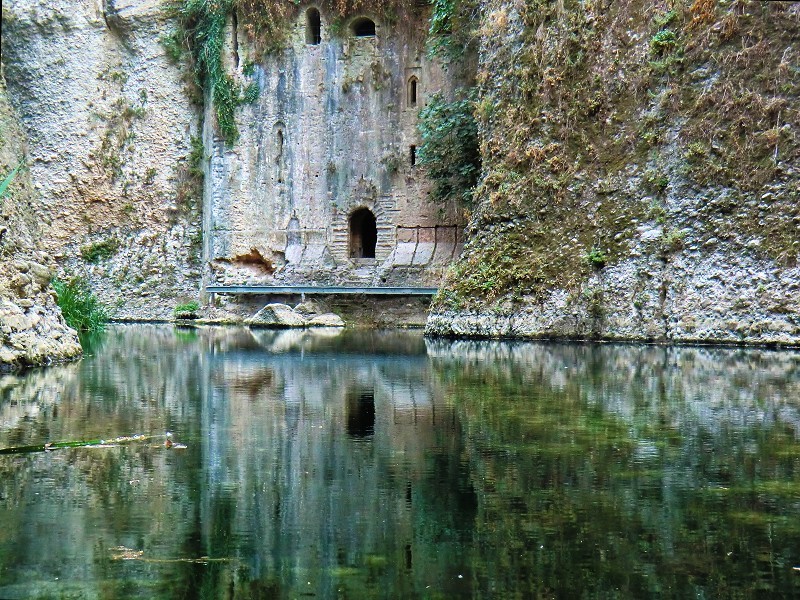
Hidden within the gardens lies the most fascinating feature — the water mine, a remarkable feat of medieval engineering that descends deep into the cliffs of the El Tajo gorge. The mine’s narrow stone staircase winds down nearly 300 steps to the riverbank below. It was originally used to draw water from the Guadalevín River during the Moorish period, and legend has it that it was powered by Christian slaves captured during the Reconquista. Walking down through its dim, echoing chambers feels both eerie and awe-inspiring — a journey into the hidden underworld of Ronda’s past. Emerging once again into the light of the gardens, with the view opening onto the gorge and the bridge, you can’t help but marvel at how beauty and history intertwine so effortlessly in this timeless Andalusian town.
Location: La Casa del Rey Moro, Calle Cuesta de Santo Domingo, 9 29400 Ronda Málaga Spain | Hours: 10am-9.30pm May-Sep, to 8pm Oct-Apr | Price: €6 | Website
Read more about Casa del Rey MoroHere is a complete selection of hotel options in Ronda . Feel free to review each one and choose the stay that best suits your needs.
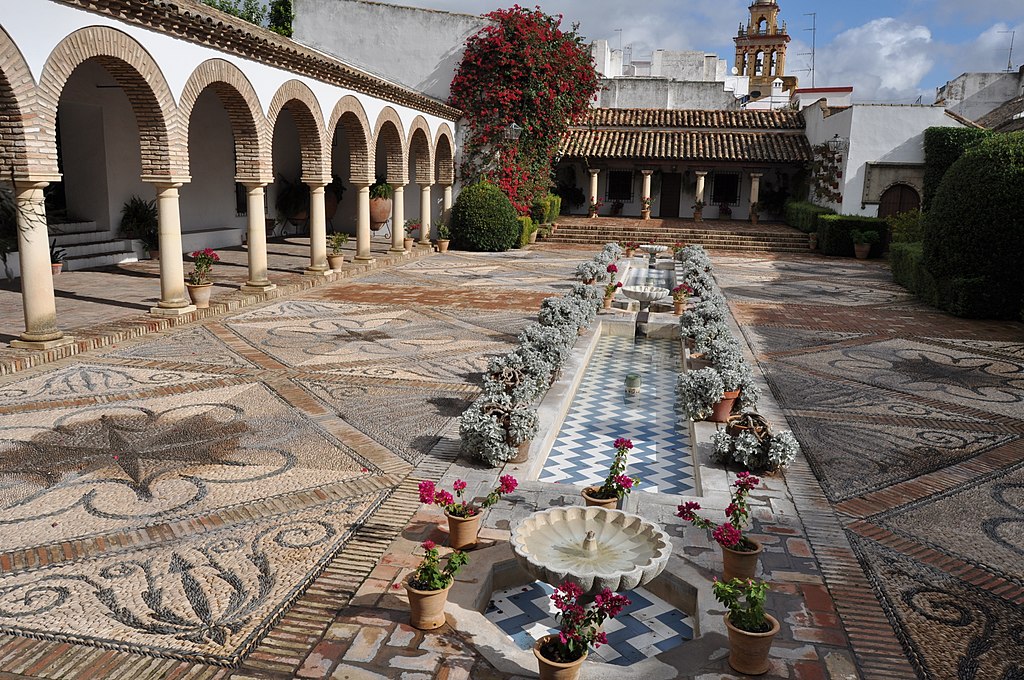
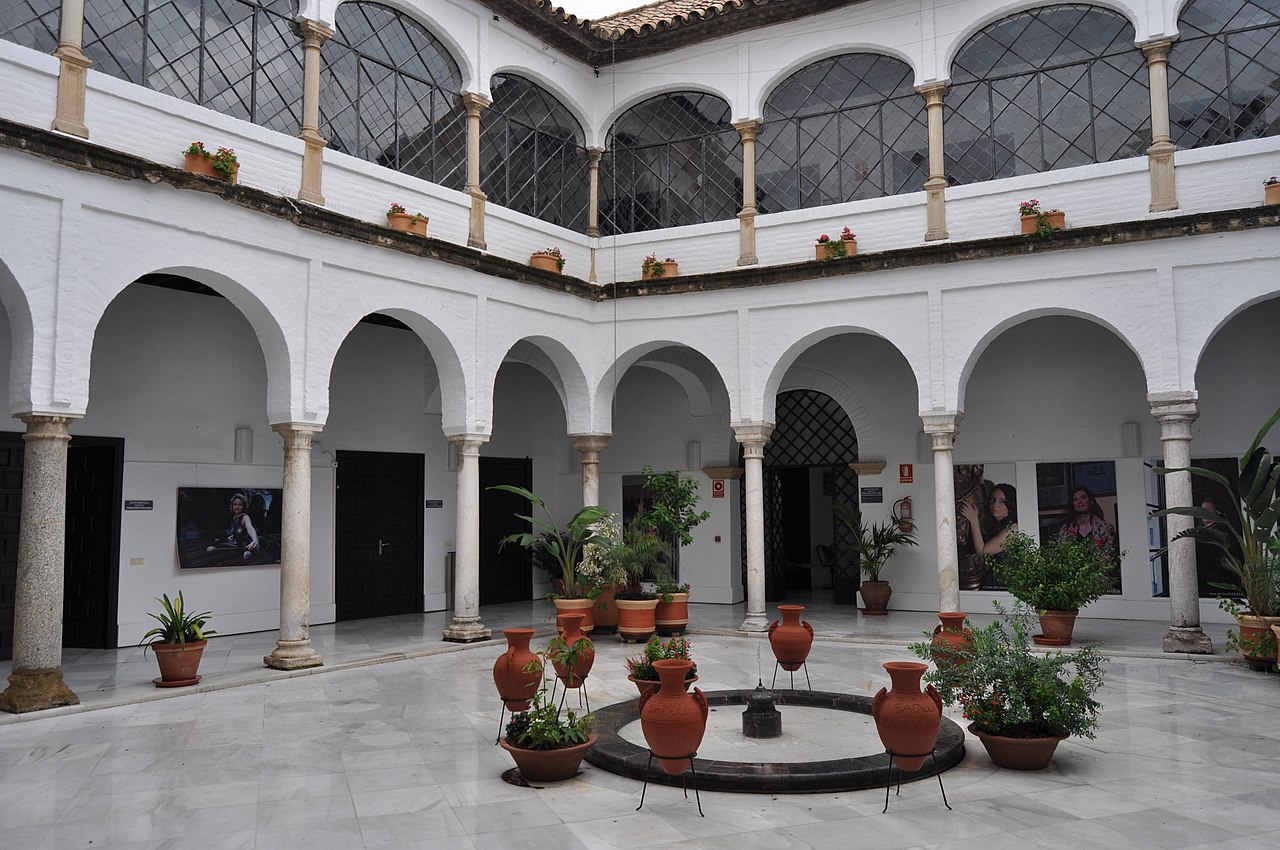
Tucked away in the heart of Ronda’s old quarter lies the elegant Mondragón Palace (Palacio de Mondragón) — a place where layers of history meet in perfect harmony. Originally built in the 14th century during the Moorish period, the palace later became the residence of King Abbel Mallek, the last Moorish ruler of Ronda. Though much of the original Islamic structure has been transformed over the centuries, traces of its Andalusi soul still linger in its intricate tilework, arched doorways, and serene courtyards. The building as it stands today blends Mudejar, Renaissance, and Gothic styles, reflecting Ronda’s long and complex journey through history.
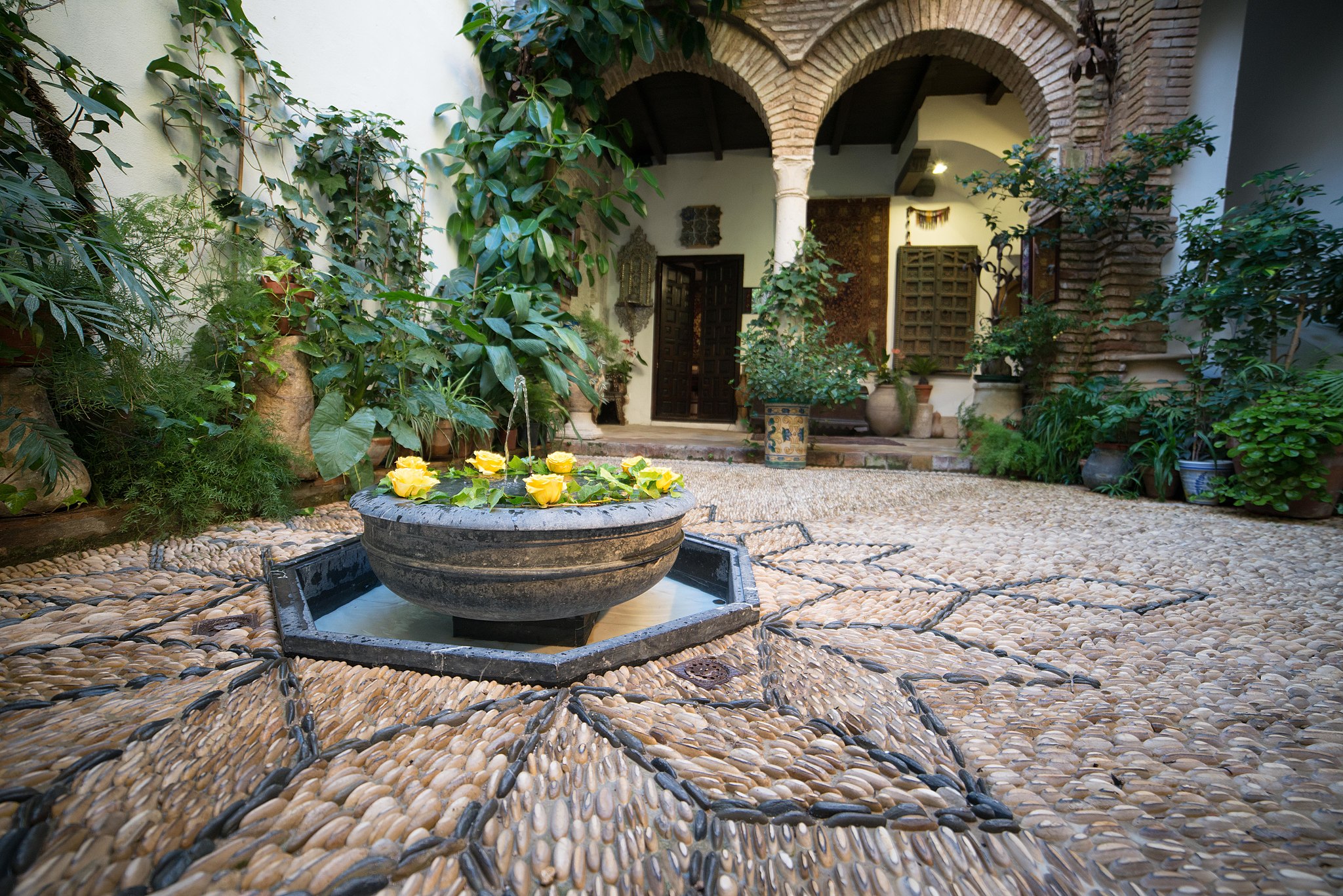
Stepping inside, visitors find a tranquil world of marble fountains, painted ceilings, and quiet patios blooming with orange trees and jasmine. The atmosphere is intimate and contemplative — more like a private home than a grand palace. The palace’s gardens, terraced along the edge of the gorge, offer breathtaking views of the Serranía de Ronda mountains and the valley below. It’s easy to see why rulers and nobles once favored this spot; the view alone feels fit for royalty. The sound of running water and birdsong creates a peaceful soundtrack as you wander through archways dappled with sunlight.
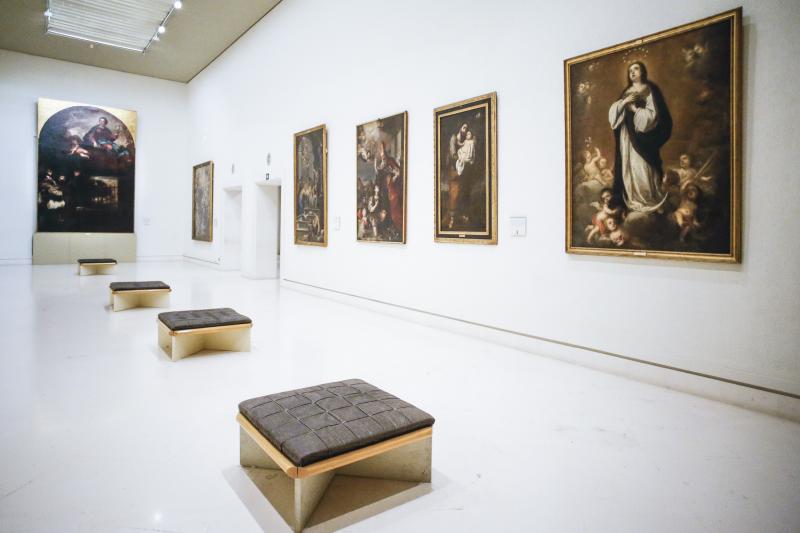
Today, the palace houses the Municipal Museum of Ronda (Museo Municipal de Ronda), which tells the story of the city from prehistoric times to the modern era. The exhibits include Roman artifacts, Moorish ceramics, and even fossils found in the surrounding countryside, offering fascinating glimpses into Ronda’s deep past. Yet for many visitors, the real magic lies not in the displays but in the setting itself — the feeling of walking through rooms that have witnessed centuries of conquest, art, and everyday life. The Mondragón Palace is more than a museum; it’s a living testament to Ronda’s resilience and beauty, where every stone and courtyard whispers stories of the civilizations that came before.
Location: Plaza Mondragón, s/n, 29400 Ronda, Málaga, Spain | Hours: 10am-7pm Mon-Fri, to 3pm Sat & Sun Apr-Sep, shorter hours Oct-Mar | Price: €3.50
Read more about Palacio de MondragonTraveling to a country with a different currency? Avoid ATM transaction fees and pay in local currency with a Wise Card. Having used it for over 5 years, we've saved loads on fees!
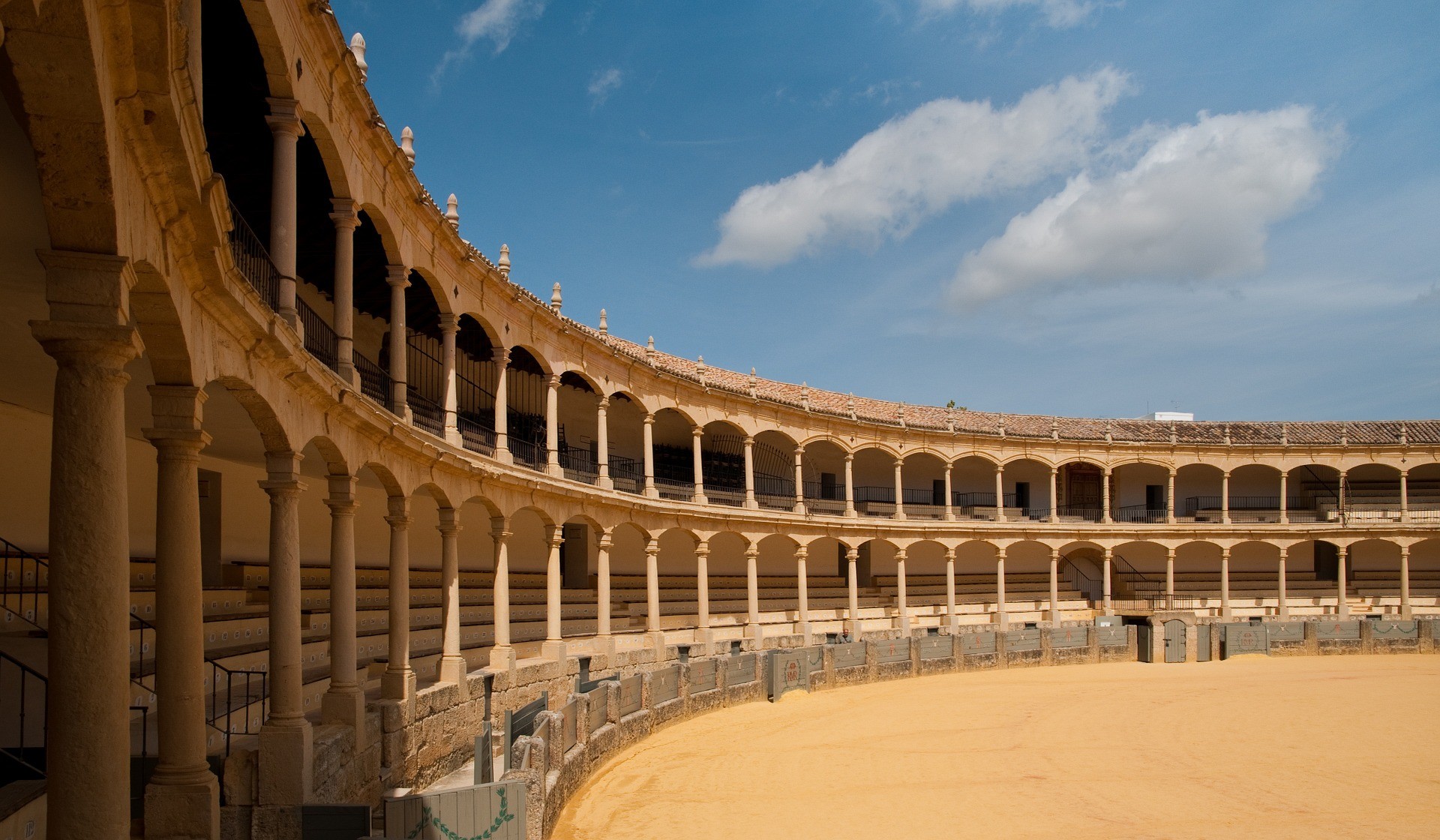
A short walk from the Puente Nuevo brings you to one of Ronda’s most celebrated landmarks — the Plaza de Toros de Ronda, considered the spiritual home of modern bullfighting. Built in 1785 by architect José Martín de Aldehuela — the same visionary who designed the Puente Nuevo — the arena is one of the oldest and most elegant in Spain. Its pale sandstone arches and perfectly symmetrical design make it feel more like a grand cathedral than a sporting venue. Even if you have no interest in bullfighting, it’s impossible not to appreciate the artistry and scale of this place. The circular ring, encircled by double-tiered galleries of 136 graceful arches, glows golden in the Andalusian sun.
Inside, the Bullfighting Museum offers an insightful look at Ronda’s long connection with this controversial yet deeply traditional art. The exhibits trace the history of the Romero family, who revolutionized bullfighting in the 18th century, and the Ordoñez dynasty, who carried the tradition into the modern era. Costumes, paintings, and antique posters reveal the pageantry and symbolism behind the spectacle. Perhaps the most moving part of the visit is the contrast between the quiet dignity of the museum and the sun-drenched arena outside — a space that has witnessed centuries of passion, ritual, and artistry.
Afterward, step into the shade of Alameda del Tajo Park, which sits just beside the bullring. This 19th-century garden, filled with towering cedars and wrought-iron benches, is a haven of peace after the intensity of Ronda’s monuments. Stroll along the paths to the balconies at the park’s edge, where the land falls away into dizzying cliffs and the Serranía de Ronda mountains stretch endlessly toward the horizon. In the late afternoon, locals gather here to watch the sunset or share a quiet conversation over ice cream. The combination of history, grandeur, and serenity makes this corner of Ronda one of its most captivating — where the energy of the arena gives way to the stillness of nature, and both together capture the heart of Andalusia.
Location: Plaza de Toros de Ronda, 15 Calle Virgen de la Paz, Ronda, Spain, | Hours: Mo-Sun: 10 am – 8 pm
Free entrance (for EU citizens): Monday (8 am – 10 am), Tuesday and Wednesday (9 am – 10 am) | Price: €8 (€9.50 with audioguide | Website
Read more about Plaza de Toros de RondaClick here to read our blog about 48 Hours in Ronda 2025: The Perfect Two-Day Itinerary
As your day in Ronda draws to a close, there’s no better way to end it than with a drink on one of the city’s spectacular terraces overlooking the El Tajo gorge. Few places in Spain can rival the drama of this view — the whitewashed houses clinging to cliffs, the Puente Nuevo arching gracefully above the chasm, and the golden light of evening spilling across the valley. Head to the Parador de Ronda, a historic hotel perched right beside the bridge, where the terrace bar offers front-row seats to one of the most famous vistas in Andalusia. Order a glass of local vino tinto or a refreshing tinto de verano, and simply sit back as Ronda reveals its magic in slow motion.
As the sun begins to dip behind the Serranía de Ronda, the cliffs glow amber and rose, and the shadows deepen in the gorge below. Swallows dart through the air, their wings catching the last light, and the sound of church bells floats softly through the evening breeze. Around you, travelers and locals alike fall quiet, absorbed in the moment — that perfect Andalusian stillness when time seems to pause between day and night. It’s a view that has captivated writers and artists for centuries, from Hemingway to Rilke, who called Ronda “the dream city.”
When the lights of the Puente Nuevo flicker on and the first stars appear, you’ll understand why Ronda leaves such a lasting impression. Even after just six hours, this mountain city lodges itself in your memory — a place of stone and sunlight, of echoes and elegance. As you leave, the image of the bridge glowing above the gorge stays with you, a reminder that some places don’t need much time to make a lifelong mark. Ronda, with all its beauty and history compressed into a mountaintop, is one of them.
Location: Jardines De Cuenca, Calle Escolleras, 1 29400 Ronda Málaga Spain | Hours: 8am-7pm | Price: N/A
Read more about Jardines de CuencaClick here to read our blog about Exploring Ronda’s Moorish Defences 2025: Walls, Gates & Towers
Although you can see Ronda in a day we spent far too long marvelling at the views from the bridge, so missed out several interesting parts. Ronda now is yet another place on our wish list to return to in the future!